Get a handle on your microclimates

Practically the first thing a budding gardener (at least in the US) learns is their USDA winter hardiness zone. Based on average winter low temperatures, hardiness zones have many flaws but are still a very useful tool in figuring out what plants can and cannot survive your particular winters.

Right after learning about winter hardiness zones, we generally hear about microclimates – the idea that small precise locations within our garden may be, sometimes significantly, warmer or colder (or wetter or drier) than the surrounding climatic norms.… Continue reading this article “Get a handle on your microclimates”
Spring = really?

I’m sorry I’ve been so quiet, but I am not feeling SPRING. Here in the Blue Ridge of Virginia (Zone 6), March is averaging 10 F below average. Snow and ice is piled up on the north side of buildings. My Herbaceous Landscape Plants class is not impressed by the inch-tall Mertensia and the fact that the only thing we can call a cool-season annual (pansies/violas) is brown mush. All the delightful Zone 7 things I’ve been pushing on people for several years here – er, whoops.… Continue reading this article “Spring = really?”

Long winter proves that climate change is a hoax

Just looked at the forecast for the week – Thursday’s forecast high temperature is 32 deg. F.  This is a far cry from last year’s record-shattering 86 on the same date.  Clearly all this blabbering about climate change is just a bunch of hysterical nonsense.

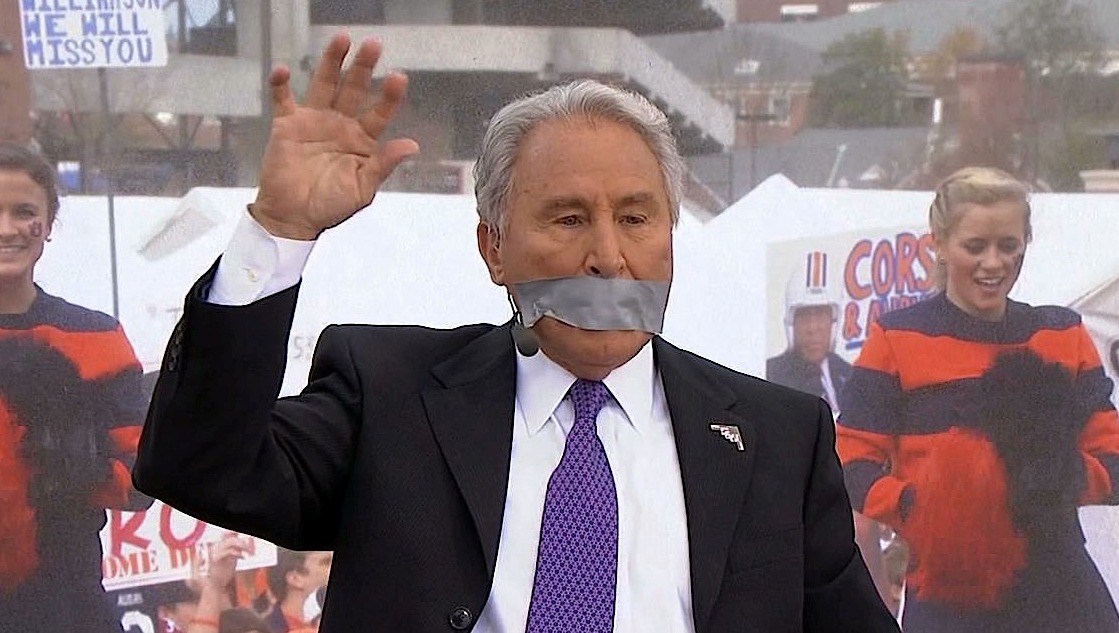
As sportscaster Lee Corso would say, “Not so fast, my friend…”  While winter 2013 can’t compete with winter 2012 in terms of record-breaking warmth, this winter has continued a trend which may have profound implications for landscape and garden plant selections.… Continue reading this article “Long winter proves that climate change is a hoax”

The new hardiness map’s obsolete! The new hardiness map’s obsolete!

I posted back in January about my excitement about the update of the USDA Hardiness zone map.   While I acknowledged some of the shortcomings of the new map, I was excited because it was a big improvement over the old map, both in terms of content (more recent temperature data included) and presentation (interactive search features, better graphics).


Dr. Nir Krakauer, assistant professor of civil engineering in The City College of New York’s Grove School of Engineering, was less impressed, however, and has essentially declared the new hardiness map dead on arrival.  … Continue reading this article “The new hardiness map’s obsolete! The new hardiness map’s obsolete!”