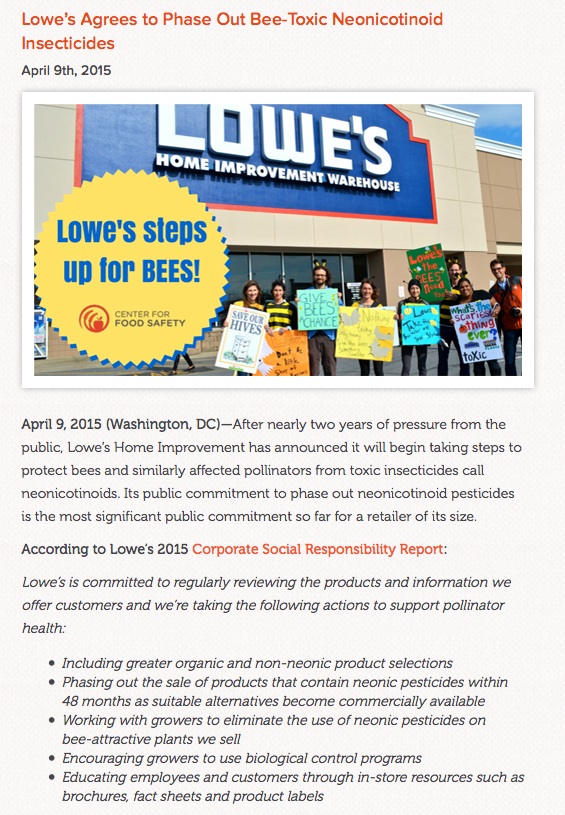
Report from the Center for Food Safety, April, 2015:
My photo from July, 2015:
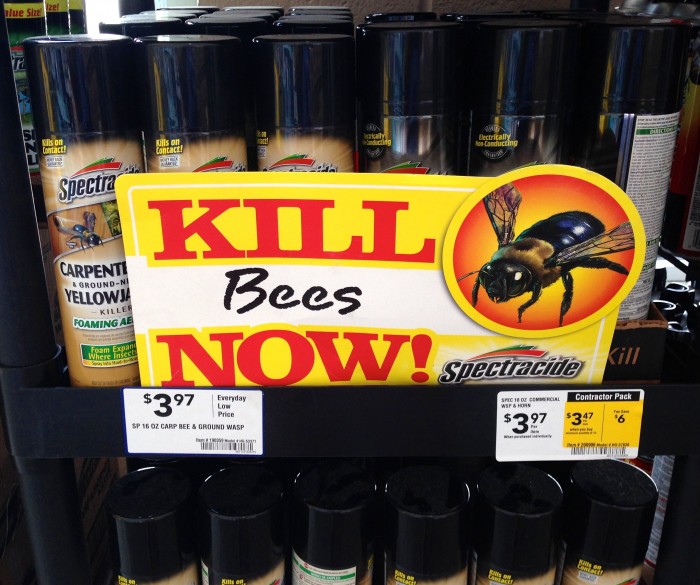
Yes, sometimes folks want or need to kill bees, wasps, etc. But given the current hullabaloo, this particular sales display was too ironic for words.
Report from the Center for Food Safety, April, 2015:
My photo from July, 2015:
Yes, sometimes folks want or need to kill bees, wasps, etc. But given the current hullabaloo, this particular sales display was too ironic for words.
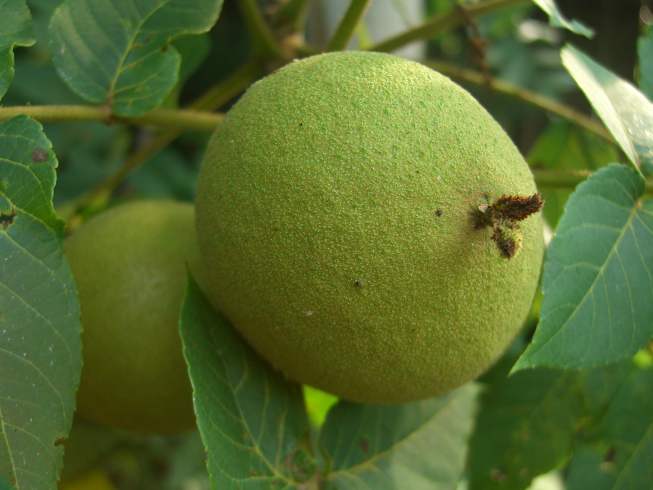
A walk through the woods can be one of the most peaceful and calming experiences — a place where you can find quiet for reflection and marvel at the beauty of nature. Little do most people know that some plants, especially one specific tree, wage chemical warfare against other plants to keep away potential neighbors that would compete for nutrients and sunlight. In the Appalachian Mountains, the tree most skilled at chemical warfare is the black walnut.… Continue reading this article “Allelopathy Helps Black Walnuts Compete”
Inspired by Linda’s post about thigmomorphogenesis, I decided today I would add the word gravitropism to your vocabulary. It simply means growth in response to gravity. Shoots of plants grow up, because they are negatively gravitropic, they grow against the pull of gravity, while roots are positively gravitropic and grow down towards the pull of gravity.
And why is that so important? Well… this is what happens when gravitropism is missing.
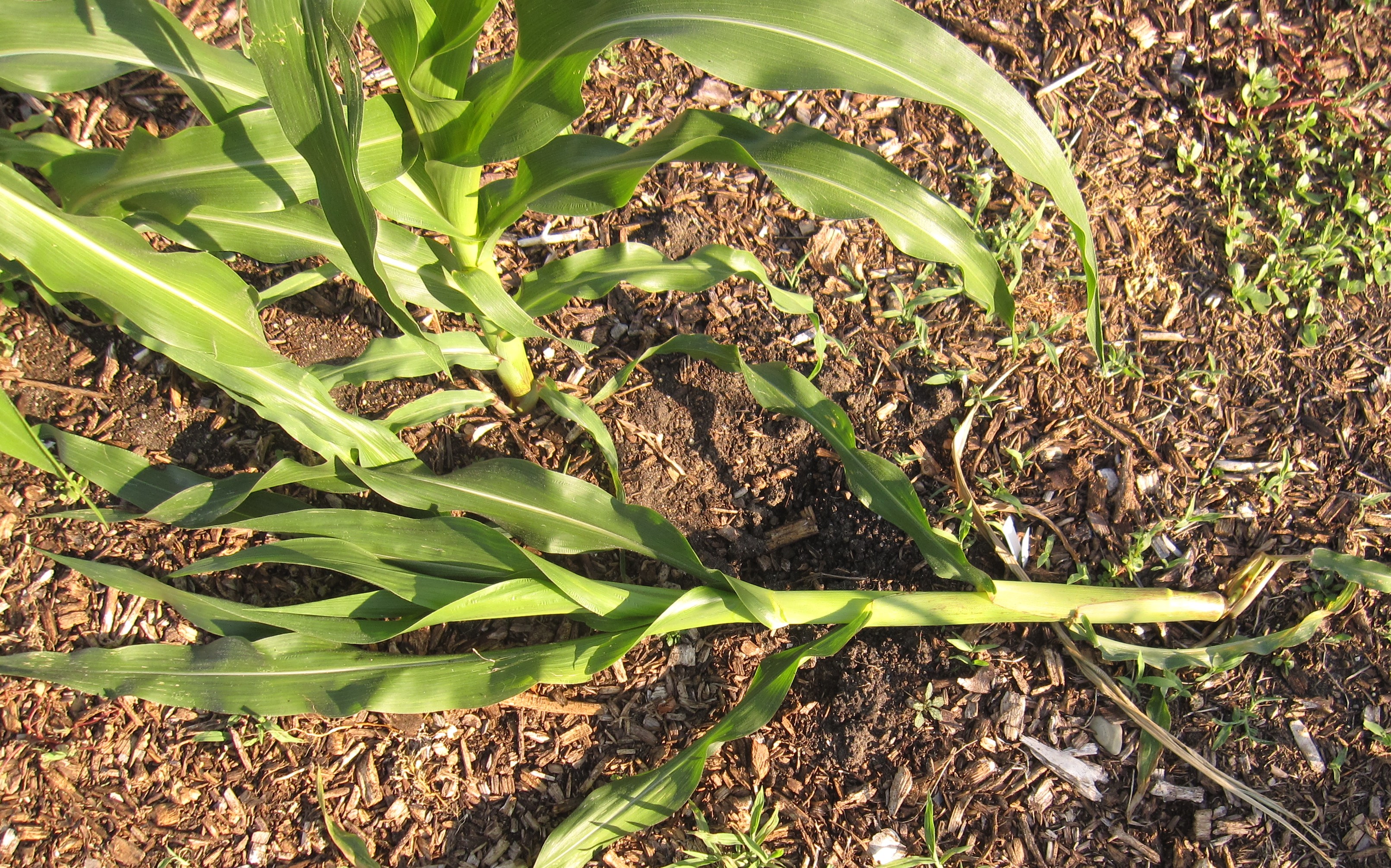
To the left is normal old corn.… Continue reading this article ““Lazy” corn and gravitropism”
I just finished reviewing 4 manuscripts for three different journals and boy is my brain fried. My private reactions ranged from “I can’t wait until this one is published!” to “If I were to use sheet mulch this manuscript would be my first choice.” Anyway, it was the latter manuscript that got me to thinking about what can go wrong with experimental design, which brings up today’s word: thigmomorphogenesis.
This is a great word for those who enjoy figuring out word meanings by deciphering the (usually) Greek or Latin roots.… Continue reading this article “Your new word for the day: thigmomorphogenesis”
For all five of you that might have paid attention to my posts on the genus Puya (which does in fact rhyme with booyah…thank you my west-coastie friends):
Here’s the update that you’ve been waiting for!
Puya is a horrifically spiny, painful, and hateful genus in the Bromeliad family. Native to the Andes, the fish-hook-like spines snare passing mammals; the rotting flesh provides nutrients to the exceptionally lean soil of the arid steppes on which it sort of grows/becomes grumpier.… Continue reading this article “Puya report!”
When you talk about killer plants, your mind may conjure images of a man-eating plant in “Little Shop of Horrors,” insect-eating Venus flytraps or poisonous plants like deadly nightshade.
While all of those scenarios are interesting in and of themselves, what about plants that attack other plants?
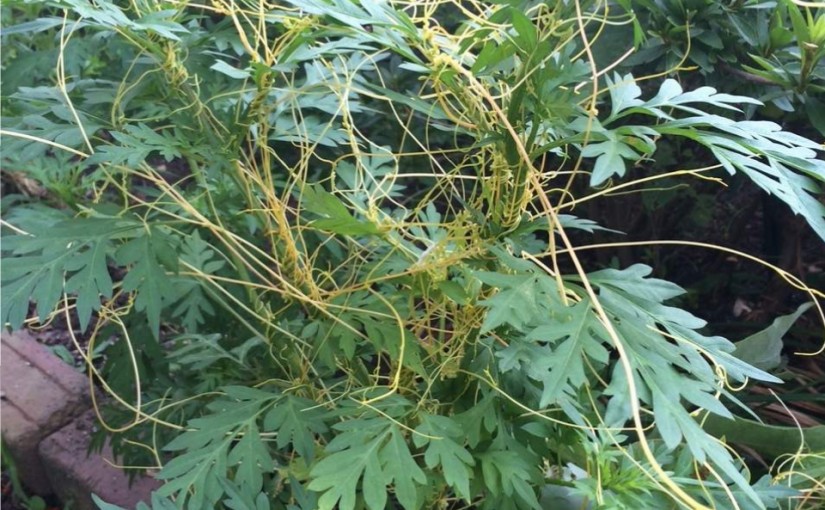
I’m talking, of course, about parasitic plants. These plants thrive on stealing nutrients from other plants, either weakening them or, quite possibly, killing them.
Parasitic plants connect themselves to a host plant and siphon off the sugars that plant produces and the nutrients it pulls from the soil.… Continue reading this article “When Plants Attack! (each other)”
If you’ve spent enough time around flowers, you’ve probably seen this. It isn’t exactly common, but it happens, and is so distinctive that you’ll almost always notice when it happens, as I did on one of my gladiolus the other day.
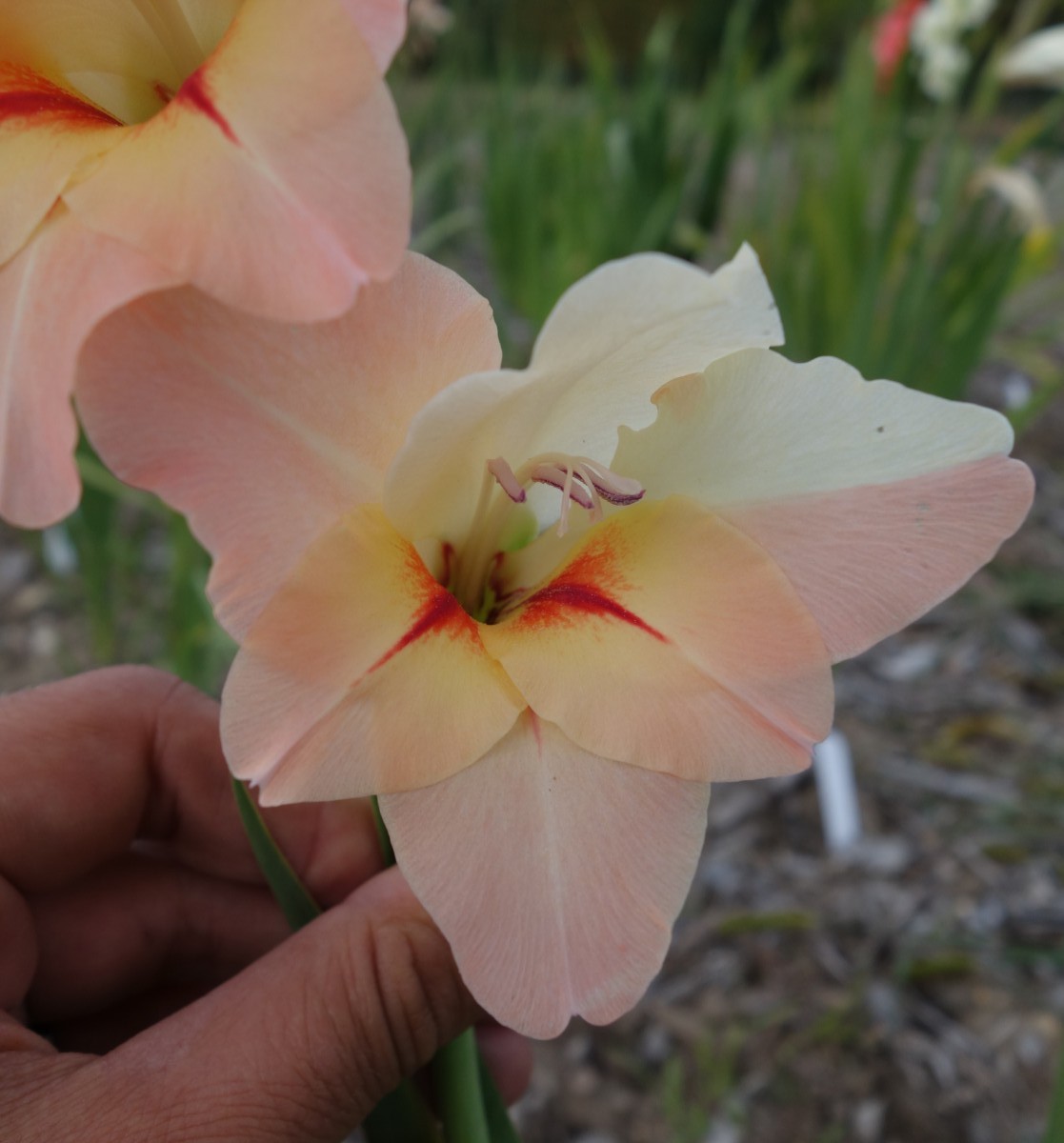
Everything else is as normal, but a chunk of the flower is white instead of the usual soft peachy white.
What we have here is a sectorial chimera. Chimera means an organism with two (or more, I suppose) genetically different cell types, and a sectorial chimera is when there is one distinct section of the plant made up of a different cell type.… Continue reading this article “When half a flower is the wrong color…”
Salvia azurea (maybe my favorite salvia in the world — sky blue flowers in late summer/fall, hardy to zone 5) is blooming in the garden, and the bees are all over the flowers. But while some are poking their heads into the flowers to drink nectar and transferring pollen as they do so, others are up to something more sinister.
The evidence of what they are up to is clear if you look closely at the side of the flowers after they leave.… Continue reading this article “Robbers in the garden”
This article was originally published in my weekly newspaper column in the Charleston Gazette-Mail. Articles are archived at wvgardenguru.com.
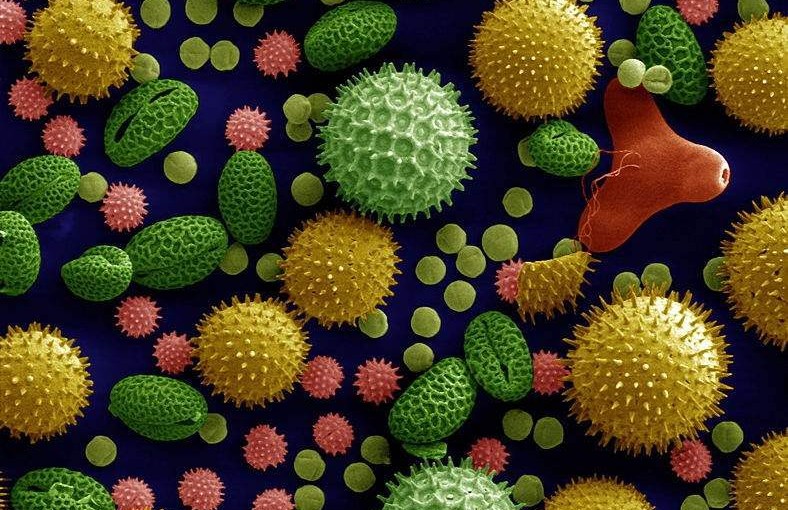
A few weeks ago I made my way to South Dakota for the annual meeting of the National Association of County Agricultural Agents (where fellow GP and I made the rounds at the trade show scrutinizing wacky products). It is a fun conference made even more special this year by the fact that WVU President E.… Continue reading this article “Pollination strategies can lead to allergy woes”
I’m not a fan of using corrugated cardboard as a mulch, which like other sheet mulches creates problems for the underlying soil. Long-time readers of this blog may remember several previous posts (1, 2, 3 and 4) on this topic and I won’t belabor the points made in those posts. Instead, today I’m doing to focus on cardboard itself.
First, cardboard is a generic term that can refer to many types of manufactured paper.… Continue reading this article “The cardboard controversy”