Harvesting, Curing and Storing Sweet Potatoes (A Visiting Professor feature)

Submitted by Ray Eckhart

Introduction
Sweet potatoes (Ipomoea batatas) are warm-season plants in the morning glory family (Convulvulaceae). The part we eat is the fleshy storage root of the plant, which is a little different than the regular Irish, or white, potato (Solanum tuberosum), a plant in the family Solanaceae. In that case, the part we eat is a fleshy underground stem of the plant, called a tuber.

Although sweet potato roots continue to grow until frost kills the vines, an extremely hard frost can cause damage to the ones near the surface.… Continue reading this article “Harvesting, Curing and Storing Sweet Potatoes (A Visiting Professor feature)”

You CAN grow it, but is it worth it?

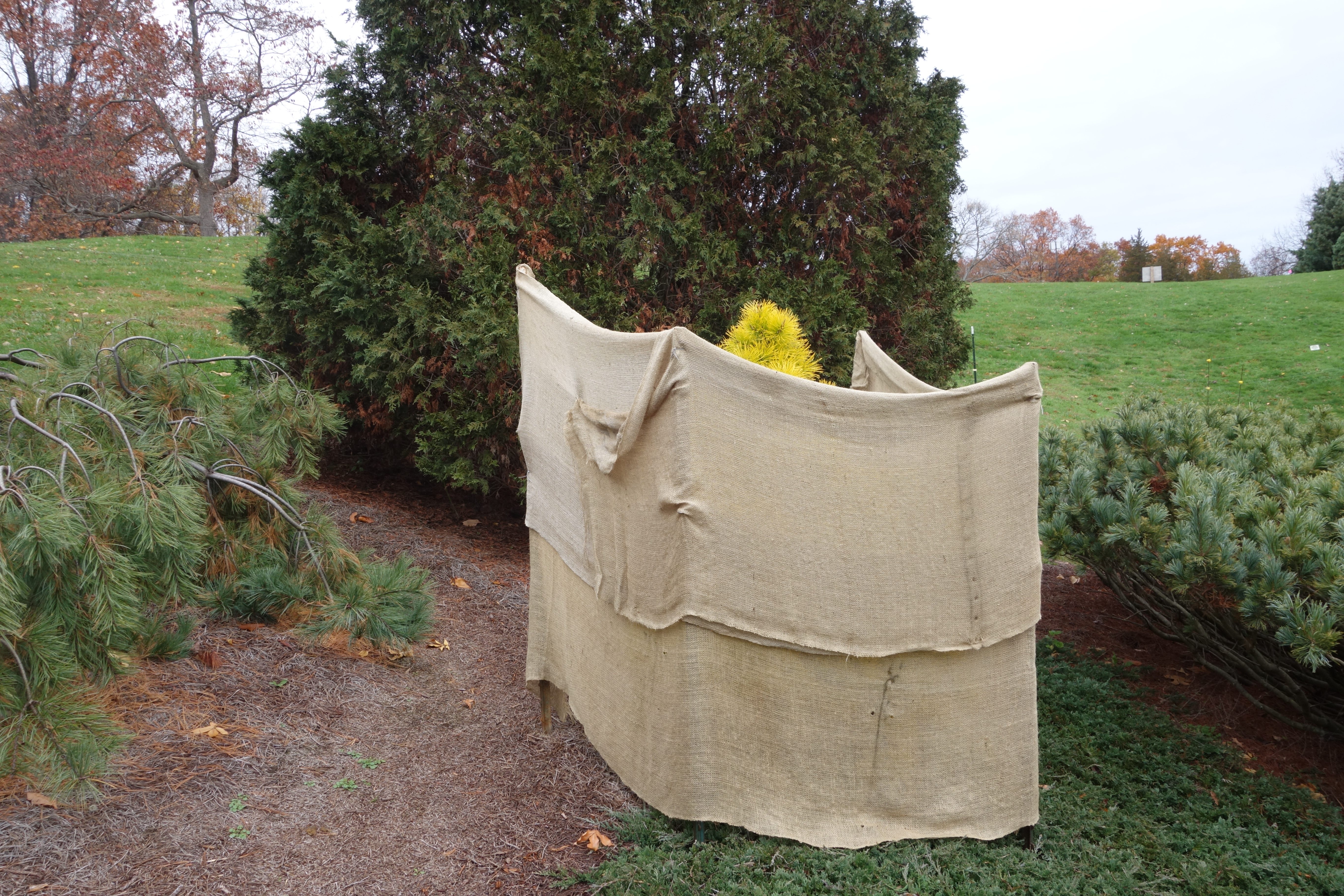
As winter sets in here in Michigan, I’m seeing gardeners deploying winter protection. Like this, which I saw on a visit to Hidden Lake Gardens with some friends recently:

pinus contorta Chief joseph covered

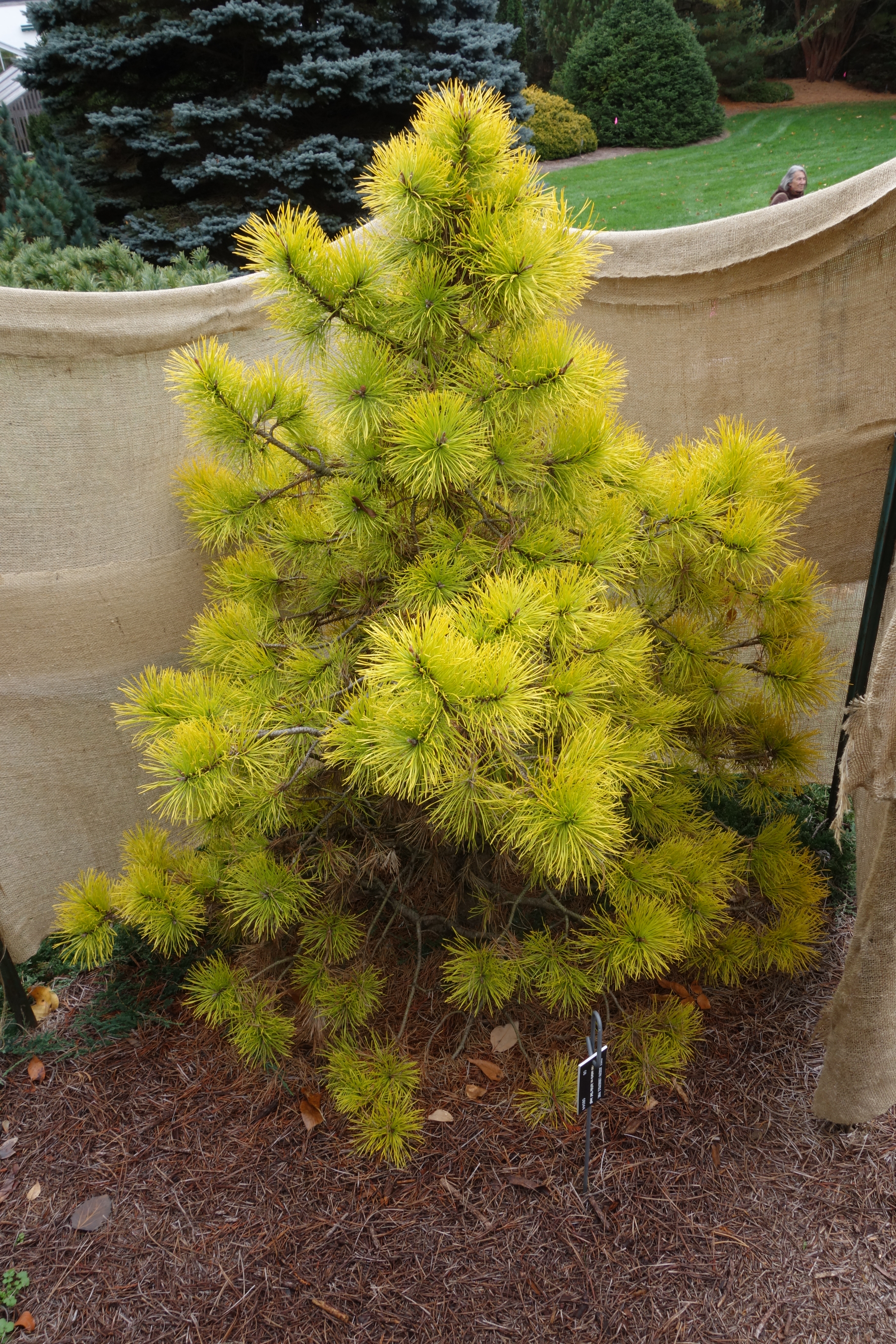
Well. Isn’t that attractive? Come around to the far side, and you see this:

pinus contorta Chief joseph

Pinus contorta ‘Chief Joseph’ which is a stunningly beautiful conifer, green in the summer, this brilliant shade of gold in the winter. Sadly, those gold needles are also incredibly prone to turning a less brilliant shade of brown if exposed to too much winter sun and wind.… Continue reading this article “You CAN grow it, but is it worth it?”

When trees can’t predict weird weather

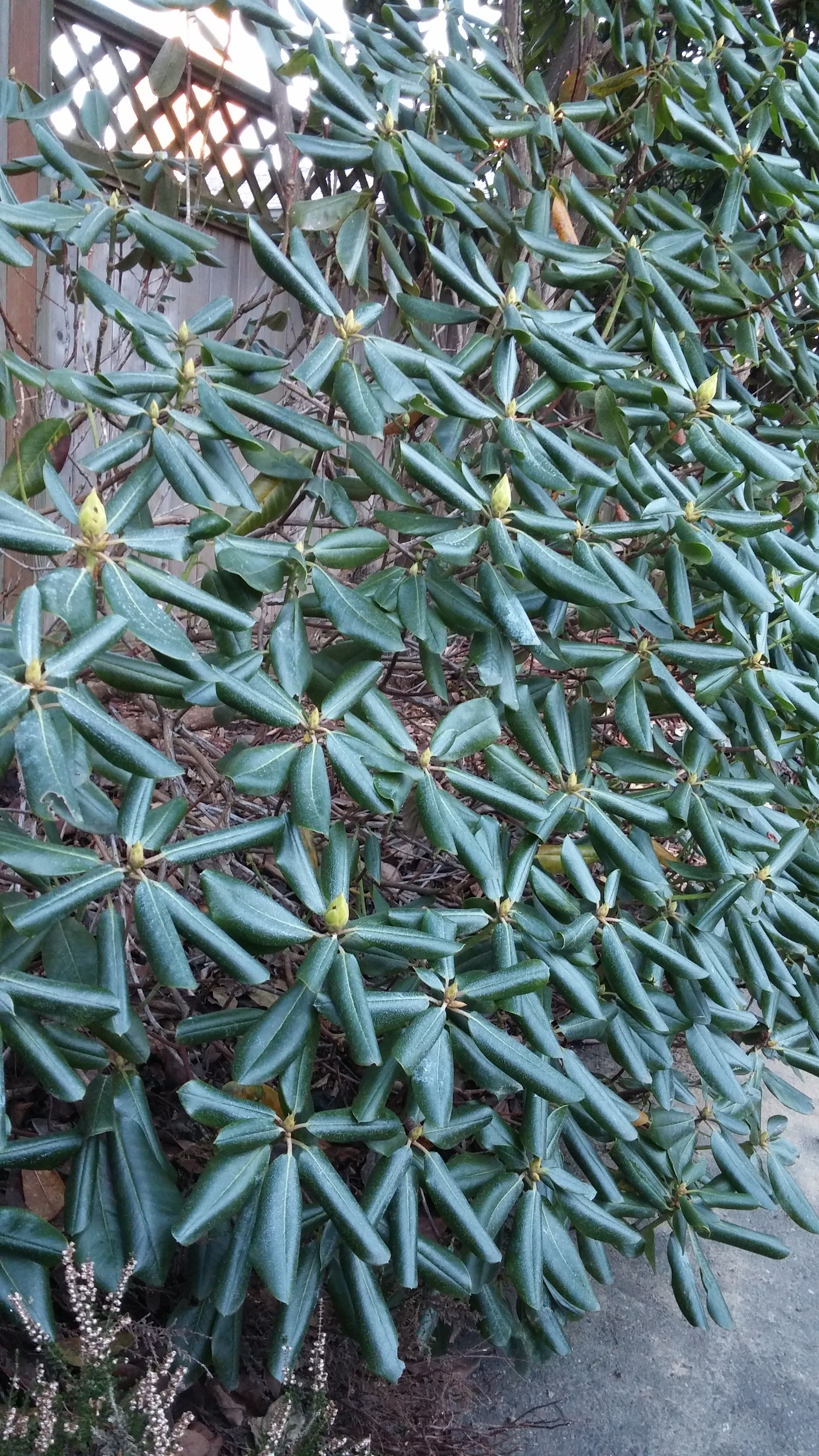
Our normally mild corner of the country got hit early and hard with cold weather a few weeks ago. For several days straight, our home thermometer read anywhere from 22-25F. Now, Seattle routinely gets temperatures this low sometime during the winter. But this cold spell came very early – much earlier than our regionally adapted trees and shrubs were used to. The effect on our plants was significant.

20141112_080049Rhodies react to cold but tolerate the freezing temperatures

Trees and shrubs start getting ready for dormancy in the summer.… Continue reading this article “When trees can’t predict weird weather”

Infographic with a BIG grain of salt

Infographics can be great: They’re bright colorful ways to make sometimes complex concepts visual and easy to understand. Sadly, “easy to understand” does not necessarily equal “accurate” and they can also be extremely misleading.

Take this beautifully made image from National Geographic. It is an older image — first posted back in 2011, but it makes the rounds on social media from time to time, and popped up in my facebook newsfeed a couple days ago.… Continue reading this article “Infographic with a BIG grain of salt”

You think YOU had a bad day…!?!

Just downloading some photos from the end of the summer, and found this. Rarely can I work up sympathy for a tomato hornworm (Manduca quinquemaculata). Though the moth is quite lovely, the caterpillars really did a number on my tomatoes (and two spindly eggplants) this year, and I recall joyously taking this photo in August.

However, I’ve had a rough Monday, and can kind of relate to being covered in Braconid wasp pupae. The larvae have chewed their way through the caterpillar, to spin their grisly cocoons of death (would have made a great post a couple of weeks ago) and dangle there in the breeze until emerging.… Continue reading this article “You think YOU had a bad day…!?!”

Get a handle on your microclimates

Practically the first thing a budding gardener (at least in the US) learns is their USDA winter hardiness zone. Based on average winter low temperatures, hardiness zones have many flaws but are still a very useful tool in figuring out what plants can and cannot survive your particular winters.

Right after learning about winter hardiness zones, we generally hear about microclimates – the idea that small precise locations within our garden may be, sometimes significantly, warmer or colder (or wetter or drier) than the surrounding climatic norms.… Continue reading this article “Get a handle on your microclimates”

Is it an Elmaple!

So let’s see here…someone planted a nice little Japanese maple outside a hotel, and everyone was happy. Then an elm started to grow next to it, and it looked pretty good. In fact, it looked better than the maple. So, what the heck? Let the elm grow and ignore the maple. And now….At what point do you decide which tree to sacrifice so that the other can live a reasonably healthy life? (Yes, there is a correct answer!)… Continue reading this article “Is it an Elmaple!”

A scary Halloween story

Those of you that have followed the blog for a while know that poor tree planting is one of my pet peeves. It drives me crazy to watch tree installers use backhoes to gouge out gigantic holes and then drop in the intact root ball, clay, burlap, twine and all. But this dig-and-dump method (or “cost effective practice” according to installers) of installing trees often dooms them (the trees, not the installers) to a slow and ugly death.… Continue reading this article “A scary Halloween story”

Scenes From A Zoo

The other day I went to a local zoo with my family. I’m not a big zoo lover. I hate to see animals in cages and kept from their natural wanderings and habits, but this zoo serves as a rescue, so I didn’t complain too much. As we were walking around I couldn’t help but notice the following container which I can only suppose once served as a food or water bin for one group of animals or another.… Continue reading this article “Scenes From A Zoo”

The great urban potato experiment

I don’t grow vegetables at home, mostly because I don’t have the space and partially because I don’t have the time. But I did want to try the potatoes-in-a-barrel method, which I also tried last year. But this year I planted about 6 weeks earlier (end of April) than I did the previous year (mid-June).  Here’s my mid-October harvests from both years:

October harvest  IMG_7560

Next year I’ll try planting even earlier. It’s not a huge harvest, but it’s fun to do, especially with kids.… Continue reading this article “The great urban potato experiment”