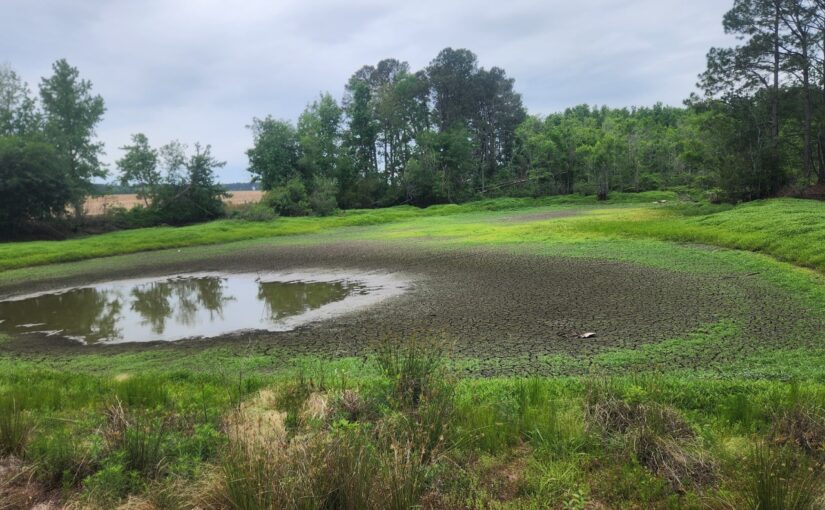
In recent months, large parts of the United States have been covered by drought, including my home region of the Southeast. This year’s drought there was caused by a combination of three things: the lack of any significant tropical activity in the US in 2025 (except TS Chantelle in the Carolinas), the La Niña that occurred over the winter, leading to warmer and drier conditions than usual (in spite of several cold outbreaks that caused significant damage to farms as far south as central Florida in January and February), and the early onset of summer high pressure in March and April that shut down any potential for the development of precipitation. It is unusual to have such a severe drought early in the year, since normally winter is the time of year soil moisture recharges due to lower temperatures and more precipitation. This pattern finally broke down about ten days ago, allowing warm, humid air to flow from the Gulf into the Southeastern US which then fueled the growth of daily showers and thunderstorms. The question I am getting now is “Is the drought over?” In this week’s post, I will review the types of drought I have described in a previous GP post and discuss how you know a drought is over.
Dried flowers, George Tan#5, Commons Wikimedia.
What are the four types of drought?
In a post back in 2021, I discussed four main types of drought: meteorological drought, agricultural drought, hydrological drought, and socio-economic drought. The differences between the types of drought are due to various factors such as how much rain has fallen and over what time period, how hot and dry it has been, what time of year the precipitation shortage occurred, what the impacts of the lack of rain were, and how the government or other agencies responded to the shortages of water.
For gardeners, the most important factors are the amount of rain that has fallen and how hot it has been over the last few weeks, although watering restrictions caused by water supply issues can also be a factor in an extreme drought because they could limit the amount of irrigation you are allowed to use on your gardens and lawns. In real life, drought is a complicated condition that can encompass more than one time scale at once and can appear to disappear or at least improve if there are limited impacts occurring. This often occurs in winter when lower temperatures cause reduced heat stress and evaporation and many plants are dormant, reducing their need for water.
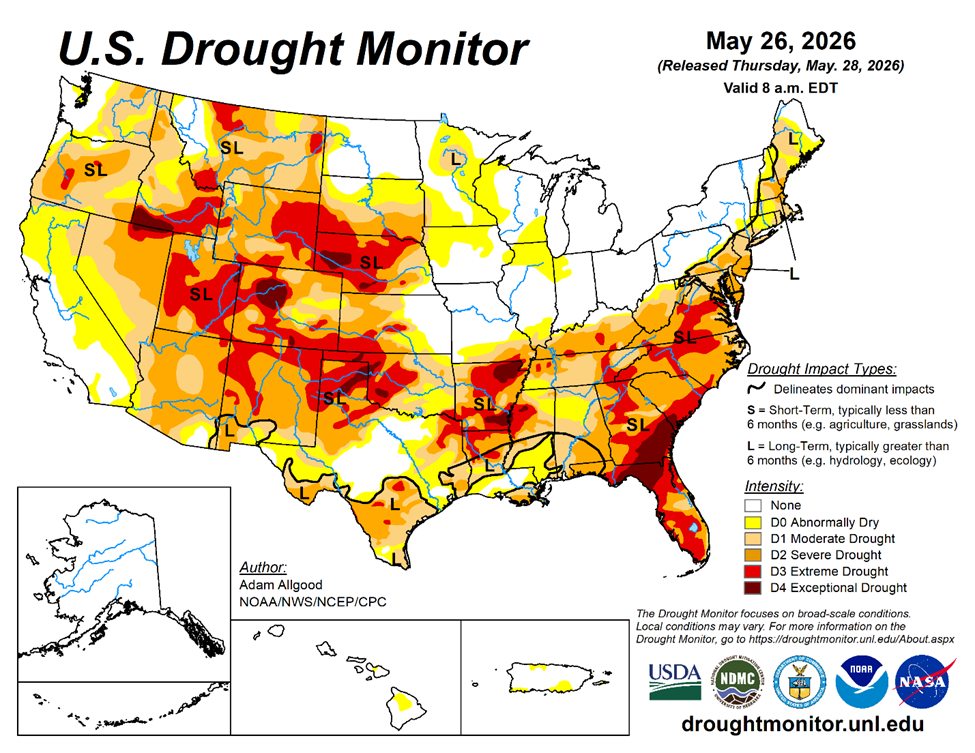
We did see this in the winter of 2025-2026 due to more rain in the winter months and reduced water use by plants, so drought conditions as depicted by the U. S. Drought Monitor did improve but did not disappear. However, drought roared back in March when high pressure over the Southeast stopped all rain for about a month during a critical season when use of water by plants increases rapidly as they start their spring growth. This year exceptional drought (the highest level) occurred much earlier than it usually does, leading to unexpected impacts on farmers because the dry soil did not allow seeds to germinate. In some areas the soil had a crust on top that made it hard to plant and for seedlings to break the surface. Pastures also failed to green up and livestock producers were forced to continue feeding hay well into the spring when it is usually not necessary.
Fortunately, this was not a problem for most home gardeners because water supplies have not been seriously impacted by the drought so far. In the western U. S., water shortages are likely to become a lot more apparent in the next few months because drought in that part of the country led to extremely low snowpacks, which usually melt over the summer to provide water in the streams and rivers that is available for irrigation and water supplies. The summer in western states usually has only limited rain, so the melting water from the snowpack is vital to providing enough water for cities and farmers to get through the dry summer season.
How you break the cycle of dry conditions
To break a drought, you need to provide a way to get rid of the deficit of precipitation that has built up during the drought. Often, a change in the surface moisture can be the trigger that allows the drought to start decaying. Commonly, droughts start to weaken with a heavy rainfall event like a tropical storm or a rainy stationary front that wets up the surface. That allows daily storms to start forming more frequently, redistributing water throughout the region as the storms move across the landscape over time. Once rain starts to fall more frequently, rainfall deficits can slowly decrease. Of course, this can happen without a big trigger event, but you might be surprised at how often this happens. Unfortunately, it is tough to get either a tropical cyclone or other rain-producing system to occur in the Western U. S. in summer, so drought is likely to remain there and may get worse before rain returns in the fall and winter.
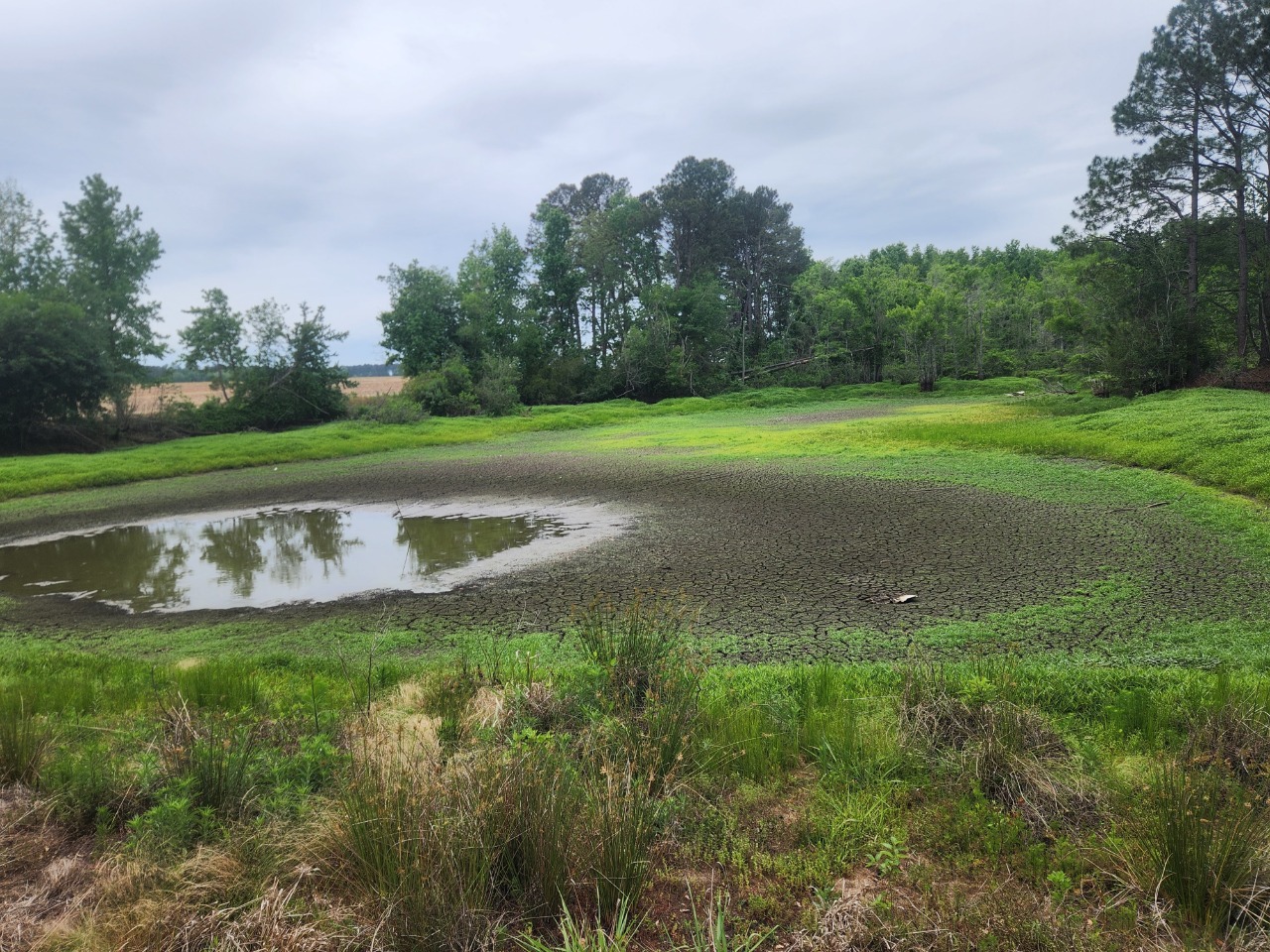
Even with a change in the pattern, it can take a long time for a drought to end. In our part of the country, normal rainfall is about 50 inches a year or roughly an inch of precipitation a week. You need to get an inch of rain every week just to keep up with normal accumulation, and if you have a deficit to make up, you need to get more rain than that to eat away at the deficit. That can take months to occur. During that time, gardens and farm fields might do fine as long as they are getting regular rain, but the drought will continue to be seen in lake and reservoir levels, stream flows, and groundwater levels, which take much longer to get back to normal conditions. So agricultural drought may end while hydrological drought continues.
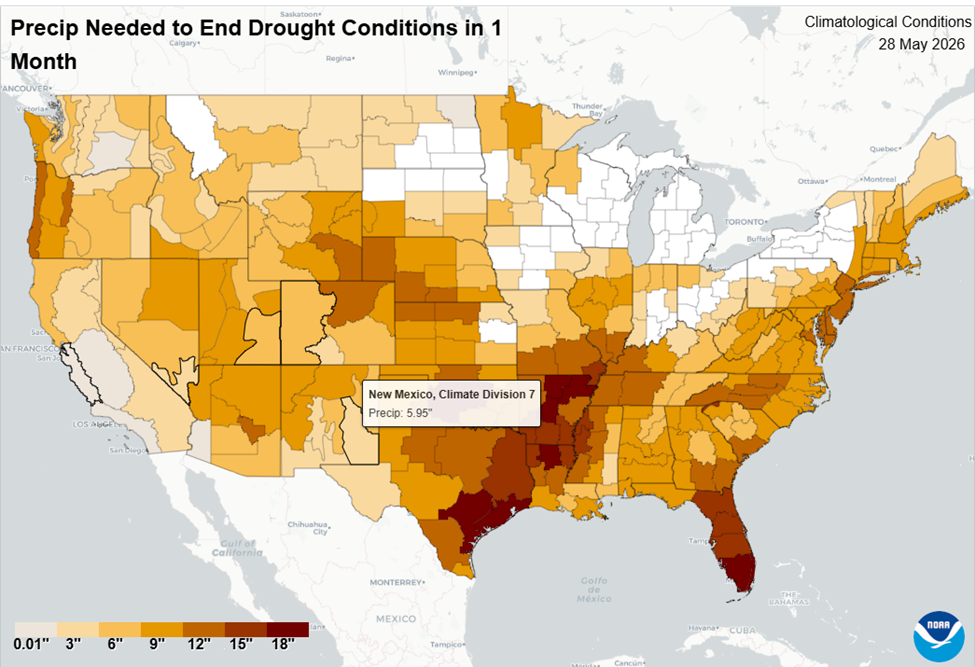
I often get asked how much rain it would take to end the drought. That is a tricky question because it depends on how it falls. You might see a map that shows how much rain is needed to end the drought in a month like the one below. As a gardener, you already know that putting so much water on a garden all at once is a recipe for disaster, because the water will not soak in but will run off, causing erosion, loss of nutrients, and potentially leaf and blossom loss from heavy rain. So be careful discussing how much rain we need to get rid of a drought because it depends highly on how intensely it comes and over what time period it falls.
Can you have drought and floods at the same time?
In the last couple of weeks, the atmospheric pattern across the United States shifted when the high pressure over the Southeast moved to the east off the coast, allowing more Gulf moisture and heat to flow into the region. This provided the fuel for daily thunderstorms which dropped scattered showers across the region, providing some relief from the dry conditions. In a few locations, rainfall reached several inches or more, causing locally heavy flooding, especially in urban areas where there was limited infiltration of water into the ground.
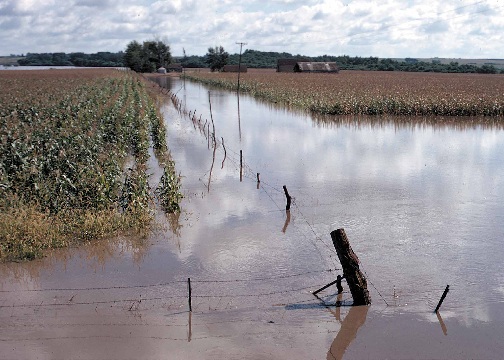
Unfortunately, heavy rain causes precipitation deficits to mathematically appear to decrease but don’t help the soil much since on average, soil can only absorb about 1/10th of an inch an hour (more if it is sandy, less if it has a lot of clay). Anything else runs off unless you have a rain garden or some other way to catch it. You can also have a drought and a flood at the same time if a river flood from heavy rains upstream covers land where drought has been occurring. This has occurred in river valleys of large rivers like the Mississippi or Missouri where rain at the top of the basin moves downstream into an area with little to no rain, leading to the peculiar picture of dead corn stalks sticking up out of a river flood.
What does this mean for gardens?
Dry conditions and drought are most devastating for gardeners when they don’t have access to irrigation or are combined with heat to put stress on their garden plants and trees. Even when you appear to be coming out of a drought, gardeners should monitor their soil moisture carefully because even if the surface is wet, moisture may not be making it to deeper levels of the ground or may not be sufficient for their plants’ needs. A single rainfall or even a week of rainy conditions may help with drought in the short term, but a complete recovery from drought is likely to take months in most places.