Summertime pruning

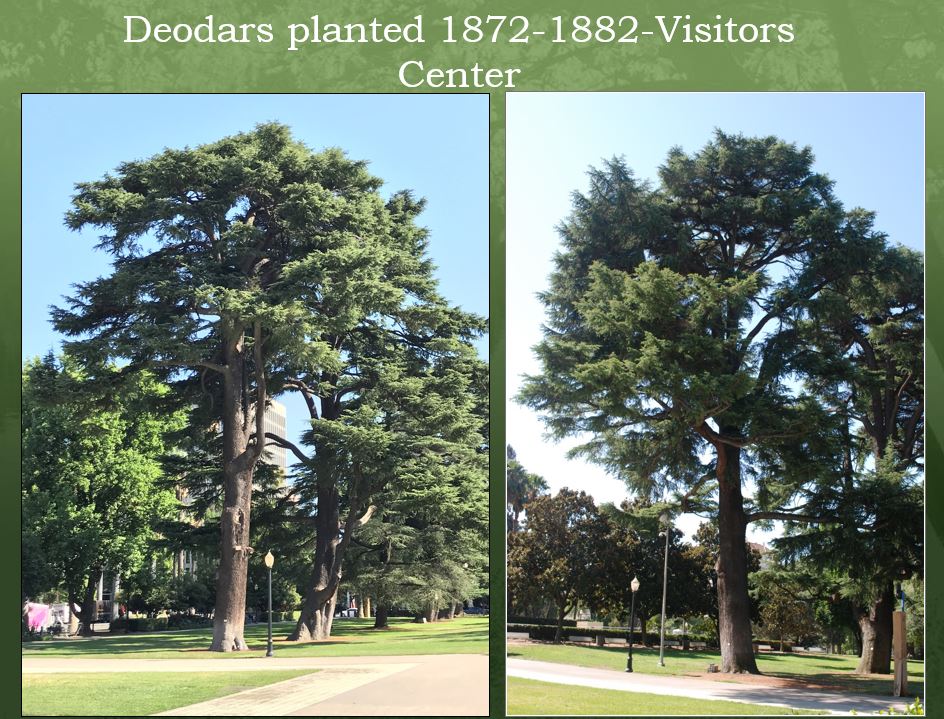
Summer is a time of bounty in the home garden. During June, July and August the majority of small fruits ripen on home orchard trees. Plant health care is important to consider in advance of summer bounty. Careful dormant season pruning, dormant sprays, mulching and care helped to produce a nice harvest. As the fruit comes off the tree, some summertime options are available. This is a time when some limited summer pruning can be done to manage the physiology and growth of many fruit trees.… Continue reading this article “Summertime pruning”

Tools, tips, and terrible traditions for raised beds – Part 3

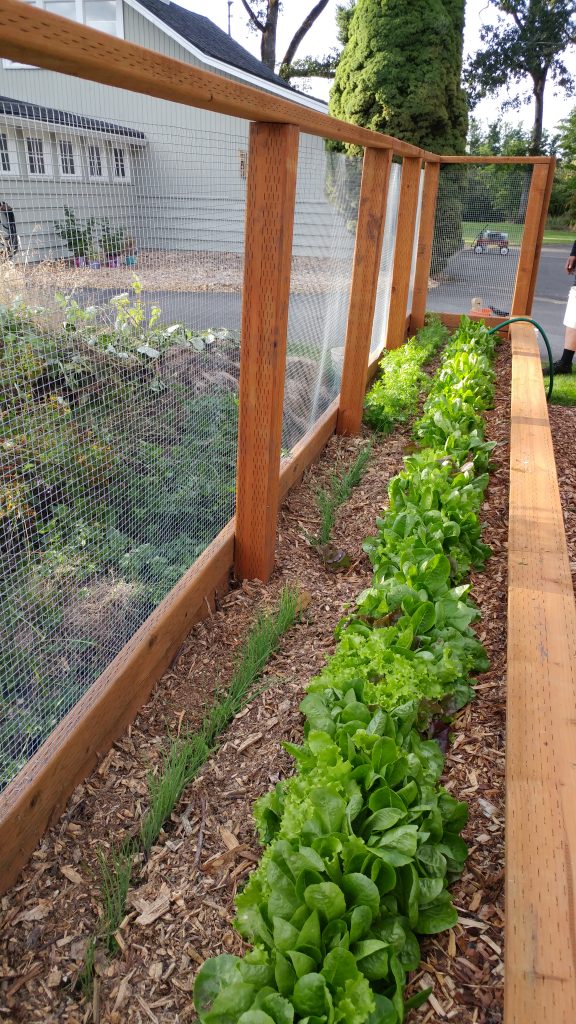
Young vegetables thrive in mulched, weed-free raised bed.

Over the last couple of months I started a series on raised bed gardens, focusing on materials and preparation. In this final installment, I’ll focus on maintenance activities to avoid in your raised bed systems and remind you of three things you should always do.

Terrible traditions

We’ll start with some practices that damage soil structure and function (GP John Porter discussed this in much detail a few years ago).… Continue reading this article “Tools, tips, and terrible traditions for raised beds – Part 3”

The weed apocalypse

I have been hiding from COVID-19 in Arizona, but I had to return to Ojai, Ca because I was “noticed” by the local fire department to abate my weeds. I returned to find the Weed Apocalypse (WA 2020). Late spring rains were spaced nicely in California supporting rampant weed growth. So, why did this happen? What can I do about it now? How could I have better prepared for WA 2021 next year?

In May, the days are getting noticeably longer and moving closer to the longest day of the year (June 20–the summer Solstice).… Continue reading this article “The weed apocalypse”

A tale of two weeders – lessons in managing aggressive, perennial weeds

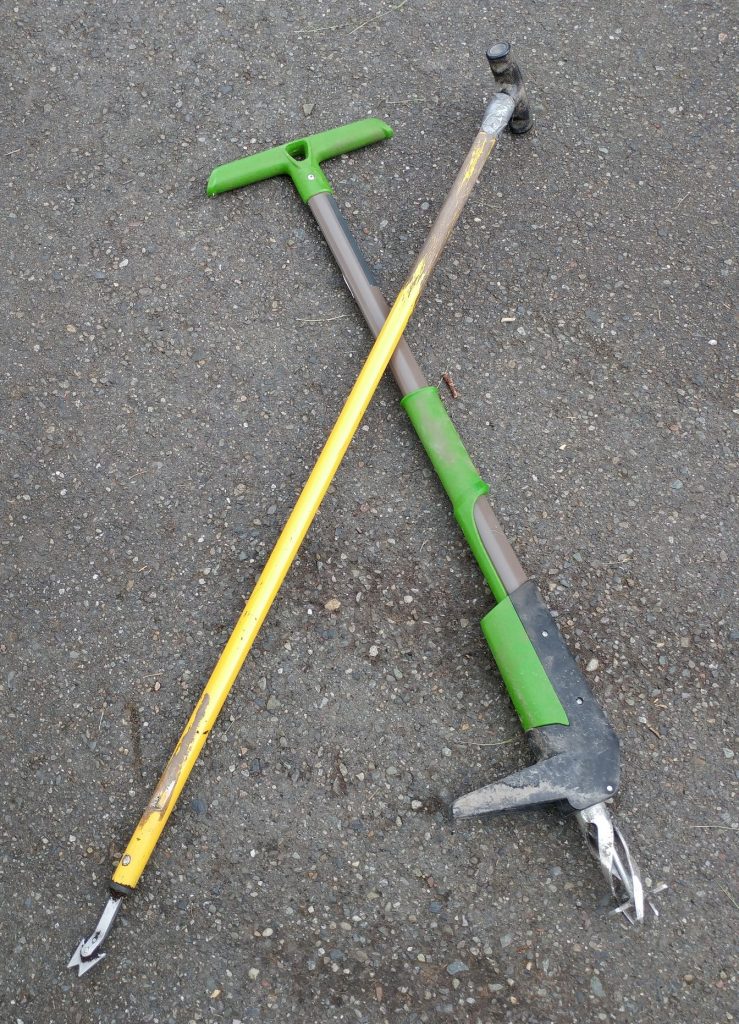
Choose your weapon in your war against weeds!

Nearly every afternoon for the last two months, curious drivers have noticed two people meandering through a pasture, following a narrow pathway formed by two lengths of string tied to fenceposts. It’s us! Thanks to COVID 19, we are no longer able to go the gym for a workout so like many other gardeners we have put that unexpended energy into our gardens and landscapes. And in this case, cattle pasture.… Continue reading this article “A tale of two weeders – lessons in managing aggressive, perennial weeds”

Tools, tips, and terrible traditions for raised beds – Part 2

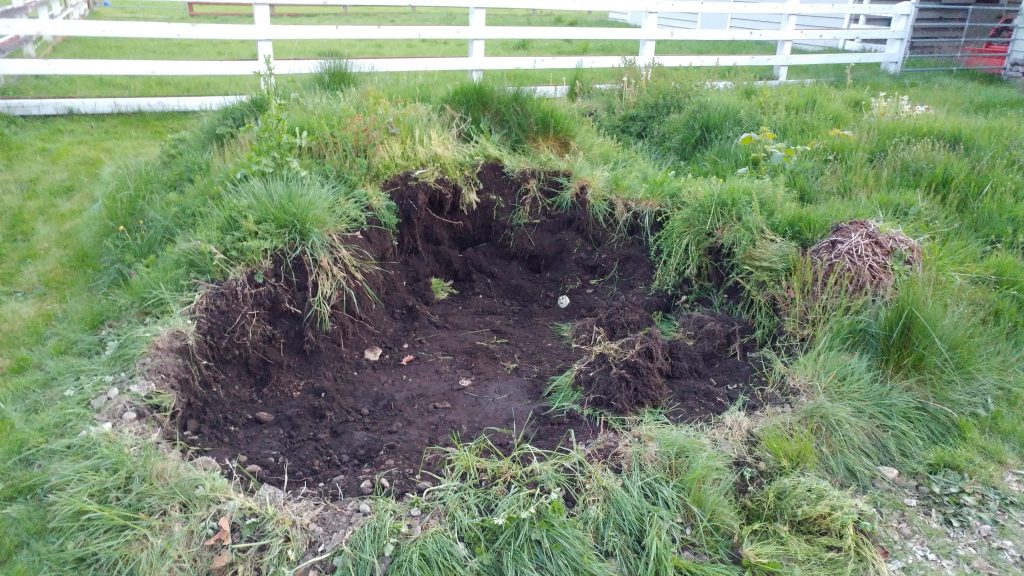
Native topsoil – with native rocks.

Last month I started a series on raised bed gardens, focusing on materials and designs. Today I’ll mention some of my favorite tools and materials for putting everything together and getting ready to plant.

Getting your soil ready for raised bed use

Tools and materials: shovel, wheelbarrow, tarp, soil screens

If you’ll recall from my previous post, I like using native soil for raised beds (assuming it is not contaminated with heavy metals or other undesirable chemicals).… Continue reading this article “Tools, tips, and terrible traditions for raised beds – Part 2”

Sustainable gardens?

The concept of sustainable agriculture is not new and the idea of sustainable gardens is likely just as dated. Sustainability as a concept can be applied to soil, farms, gardens or life in the biosphere. The second law of thermodynamics says that all systems tend toward thermodynamic equilibrium where there is maximum entropy (randomness). In functional ecosystems equilibrium is achieved to a degree, and plant, animal and other species are at stable levels. Ecosystems evolved over millions of years to develop connections between individuals creating support networks, predator-prey cycles and nutrient cycles.… Continue reading this article “Sustainable gardens?”

Tools, tips, and terrible traditions for raised beds – Part 1

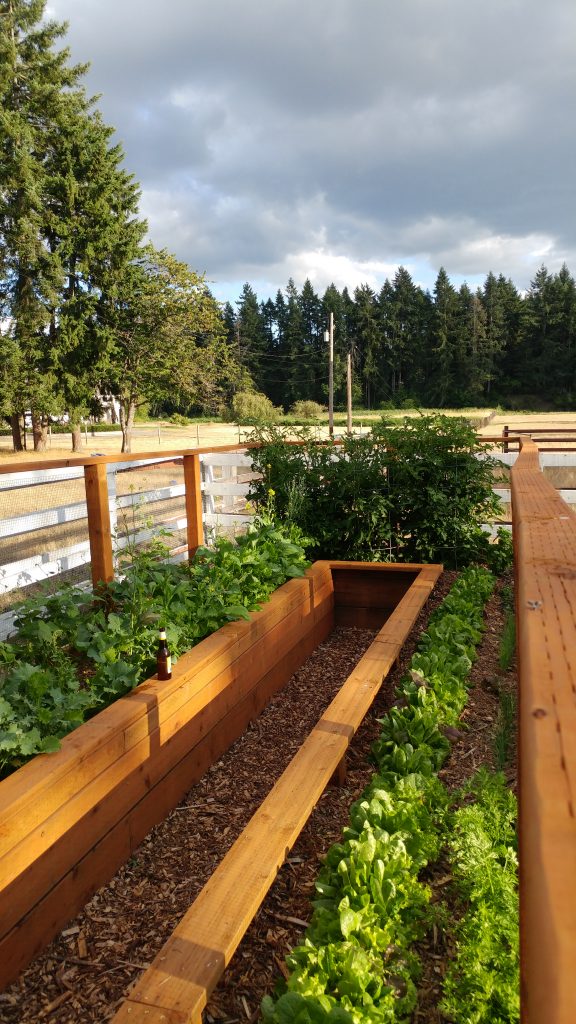
Raised beds a month after planting. Adult beverage not harvested here.

Many of us are sheltering at home during the COVID19 outbreak, and that might mean you’re spending more time in the garden. It certainly seems to be true based on my Facebook feed. And given that even more people are showing interest in growing their own food, I thought some practical posts on raised beds dos and don’ts might be fun. John Porter did a nice review of some of the misperceptions about raised beds last year, and that’s worth reading as well.

Continue reading this article “Tools, tips, and terrible traditions for raised beds – Part 1”

A root’s life

Roots are the unsung heroes of plants! But unfortunately your every day hard working root gets little respect from gardeners. “We are so taken for granted” whined Radix– “Its just so hard, we are all down here in the dark, nobody see’s us, we get no admiration, yet we work so hard!”. Radix is your every day “working root” mostly ignored by gardeners. Even though the seasons change, and leaves come and go, Radix is growing most all the time!… Continue reading this article “A root’s life”

Potting Soil Poison

Gardeners often struggle to grow plants in containers. You may feel that you have a really black thumb at times when newly planted seedlings fall over dead or fail to thrive. The problem may not be disease or poor gardening acumen but rather your container media otherwise sold as “Potting Soil”. A trip to one of the big box stores or a larger retail nursery will offer gardeners many choices of bagged potting soils.… Continue reading this article “Potting Soil Poison”

Standing up for (and lying down on) the environmentally sustainable lawn

If you’ve been reading this blog for a while, you might remember that I got rid of our lawn (getting rid of your lawn post) at our Seattle house . It took too much water to keep it green in the summer, and the resulting ornamental landscape was more ecologically diverse and aesthetically pleasing for such a small site.

On the way to replacing the lawn with landscape
And the same landscape a few years later.
Continue reading this article “Standing up for (and lying down on) the environmentally sustainable lawn”