The worms crawl in and the worms crawl out but these worms kill your plants

Our first major frost hit my part of Arizona a month ago, killing all tomato vines. I did my thanksgiving cleanup chores–removed all the vines and ground them into mulch. I noticed an ominous symptom on one a few of the heirloom varieties (Prudence Purple) that I removed—galled roots. This symptom when seen on tomato is evidence of Root Knot Nematode (RKN). More about RKN shortly. Nematodes are non-segmented worms, mostly free living in soil and feed on bacteria, fungi, small animals or each other.… Continue reading this article “The worms crawl in and the worms crawl out but these worms kill your plants”

Fall is for fungal fruit

Summer is done. The last apples are coming off my orchard trees now and persimmons are ripening fast. Some fruit remains to be picked but most is off. As garden productivity subsides we turn our tasks to winter. In Southern California it means planting the winter vegetable garden, in Northern Mn snow has already flown so gardens are shut down now. For fungi that may be pathogens in our gardens, it is a time for reproduction.… Continue reading this article “Fall is for fungal fruit”

When littering is a good thing

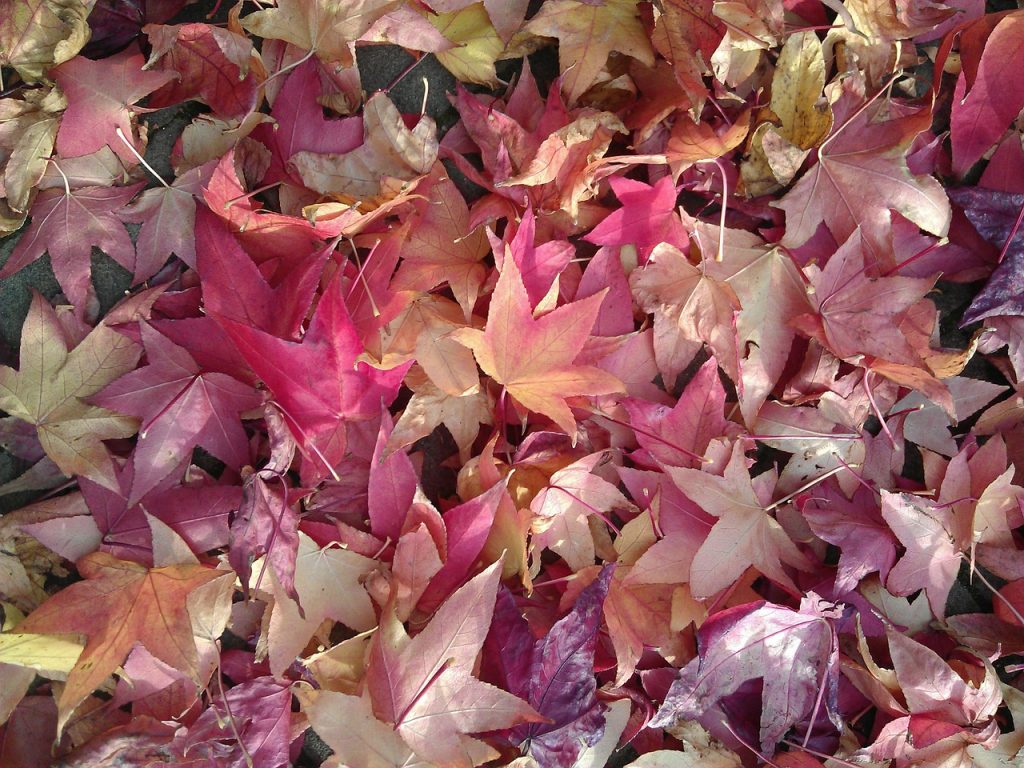
Dried leaves shred easily (photo from needpix.com)

I’ll be the first to admit it: I am a neat freak. I work best on desks with little clutter and feel calm and relaxed in spaces that are well-organized. But outdoors, it’s a different story. Dynamism is in charge and it’s refreshing and exhilarating to be surrounded in nature’s chaos. So this time of year can bother me when I see gardeners putting their neatness imprint on their gardens – especially onto their soils.… Continue reading this article “When littering is a good thing”

Extremes

Extremes

Here in California we had an extreme heat event on September 6, 2020. In my yard temperatures peaked at 120 degrees F. This also happened back in 2018 earlier in the summer where we reached a similar peak temperature. It is not supposed to get to be 120 degrees F. in Ojai. This year new high temperature records were set all over southern California for the month of September. Following these heat extremes, wildfires have spread from border to border (Canada to Mexico) in western states.… Continue reading this article “Extremes”

Making your landscape fire resistant during wildfire season

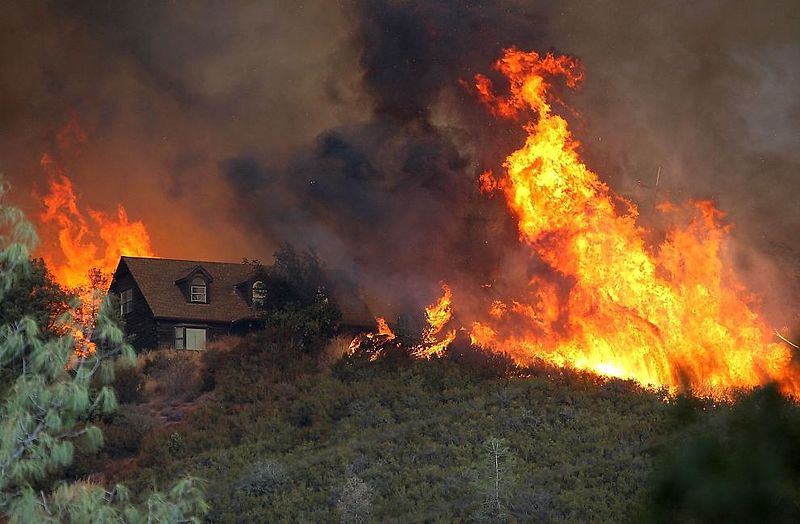
Wildfires are increasingly threatening urban areas. Photo from Wikimedia.

This topic may have no relevance to where you live – but it’s very much front and center here in western Washington this summer. Our naturally droughty summers have gotten longer, hotter, and drier thanks to climate change. Wildfires are ravaging all of the west coast, on both sides of the Cascade mountains. And one of the recommendations I see for fire-proofing your landscape is to remove all wood-based mulch.… Continue reading this article “Making your landscape fire resistant during wildfire season”

A time to deadhead!

Summer is here in the west in a big way. We are just coming off of one of the largest heat waves ever recorded, and while temperatures are down they are not done. Its hot. Depending on where you live your gardens may have suffered. In the East Hurricanes are starting and extreme rains are occurring. I have images of bent over palm trees in Florida. No matter the season, plants respond with their own growth stages providing they are not blow away or burnt up by raging wildfires.… Continue reading this article “A time to deadhead!”

What’s wrong with my tree? You won’t find the answer in a book.

This tree suffers chronic drought stress every summer. Why?

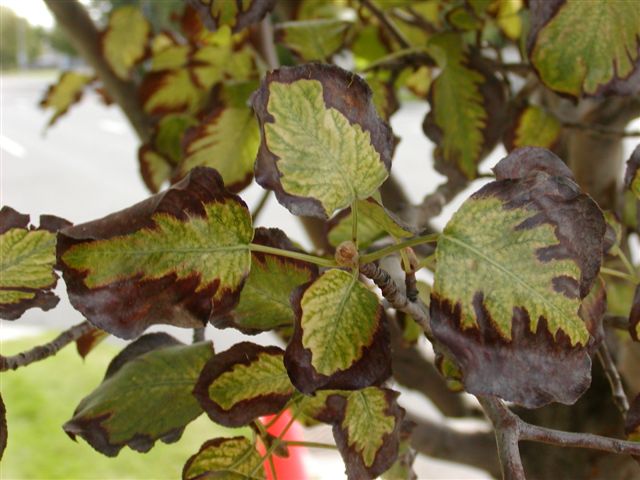
It’s the middle of summer, and maybe you’re wondering what’s wrong with your landscape tree (or shrub) that just doesn’t seem to be putting on the growth that you’d expect this time of year. Before you take any “corrective” action, let’s figure out what the problem might be. Here’s a short checklist that we will start with. (NOTE: This is just a start. You can go so many different directions once you have some specific concerns to explore.)… Continue reading this article “What’s wrong with my tree? You won’t find the answer in a book.”

Terrariums

Terrariums are are contained environments that allow culture of plants. They take many sizes, shapes and dimensions and can be sealed or open. At the least terrariums are just plants in a bottle, in their highest form they are cultivated landscapes in miniature. Closed terraria create a unique environment and opportunity for plant growth. The transparent walls of the container allow for both heat and light to enter the terrarium while maintaining high relative humidity and preventing system water loss.… Continue reading this article “Terrariums”

California “Big Trees” under threat

It’s not my week to post on the blog, but this is a PSA for California residents. Having visited the Capitol grounds in Sacramento, I find it important to make others aware of the plans to remove a number of large and historically important trees for the purpose of building a parking garage and expanding the Capitol building space.

I’m not a California resident, so in a sense it’s none of my business. But I am an urban horticulturist, and an arborist, and committed to preserving trees especially in urban environments.… Continue reading this article “California “Big Trees” under threat”

Update on our bare-rooted perennial garden

Our south-facing pollinator garden.

Two years ago I installed a pollinator garden in early July. This goes against my recommendation to install plants in the fall, when roots have longer to get established and less stress is felt on the rest of the plant. But I wanted to see what would happen if I was careful to mulch well and keep it irrigated. Oh, and did I mention I was going to root wash every one of them?… Continue reading this article “Update on our bare-rooted perennial garden”