Should I boycott cypress mulch?

It’s hard to think of mulch as a controversial topic but, as with most things these days, we find people on both sides of an issue.  And, as with most things these days, some of opinions are based on substance, others are not.  In the southern U.S. some environmental groups are advocating a boycott of cypress mulch.

Cypress mulch is derived from baldcypress and pond cypress, which grow in ecologically sensitive wetlands in the Southeast.  Cypress wood is highly valued for is natural decay resistance. … Continue reading this article “Should I boycott cypress mulch?”
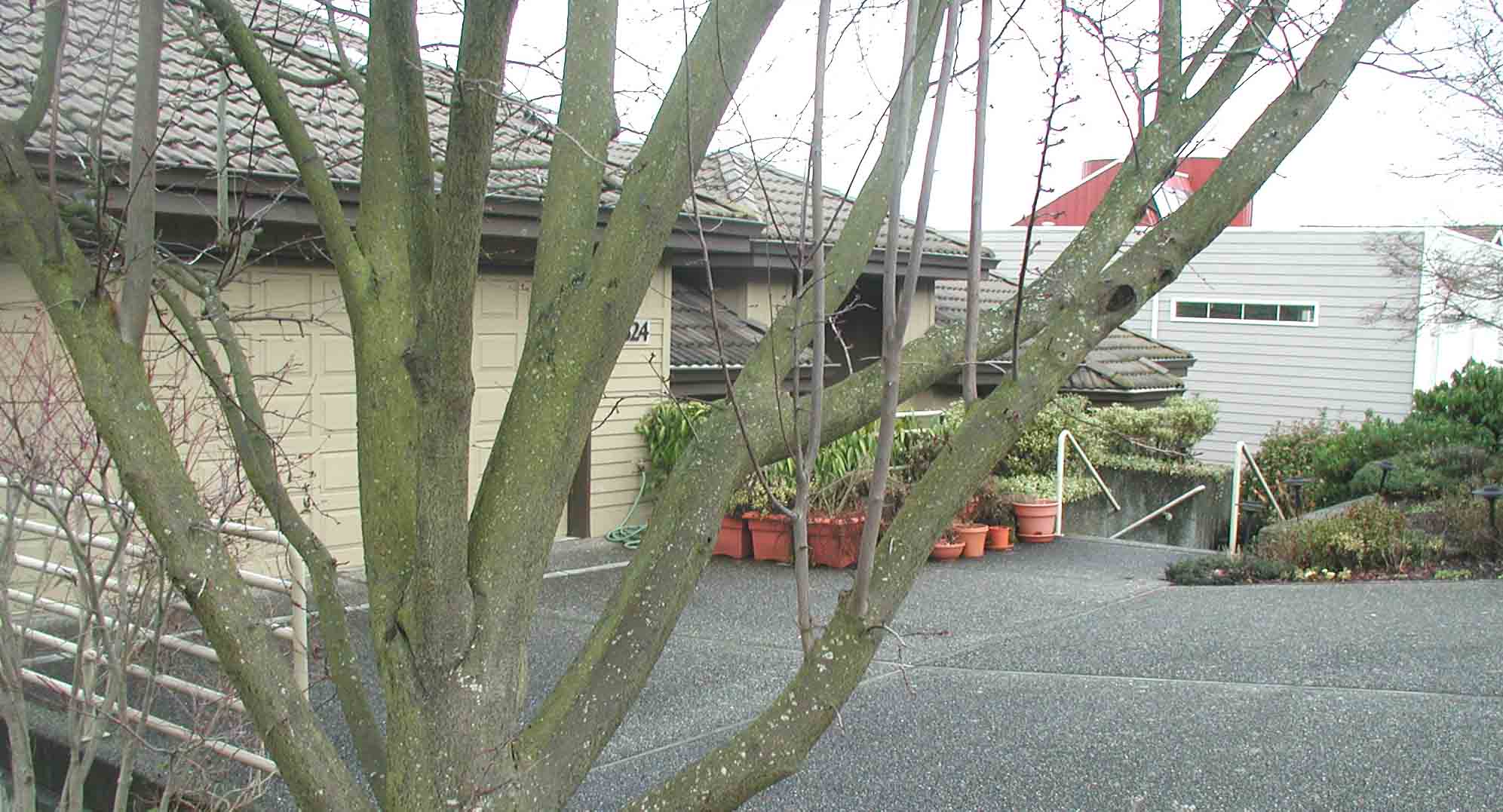
Epicormic mystery solved!

Good morning (at least it is in my time zone)!   And welcome to those of you who found us through Blotanical or another blog site.  We love seeing the increased participation on our blog.

Since I am a teacher at heart, I was glad to see so much thoughtful discussion over the weekend.  Many of you suggested that pruning for vehicular traffic was the trigger for this growth, and it’s true that removing large limbs or heading back branches will result in vigorous epicormic growth. … Continue reading this article “Epicormic mystery solved!”

Quiz time!

One of the things we Garden Professors can do is give tests!  And the nice thing is you don’t get penalized for being wrong.  So this will be my inaugural Plant Puzzler.

Below is a photo of a tree with epicormic shoots on its two lower branches.  Epicormic shoots are vigorous, upright branches that have more of a juvenile than mature appearance.  They often appear when a plant has been stressed, perhaps by overpruning, or maybe the roots were damaged by construction:

So here is your test question. … Continue reading this article “Quiz time!”

The Flap Over Burlap

This month’s issue of the Oregon Association of Nursery’s Digger magazine includes the second part of a two-part article on urban foresters’ perspectives on nursery stock.  It was interesting to note that some urban foresters felt they were in a quandary because their specs require removal of burlap from B&B trees, yet many nurseries will void their warranty if burlap is removed from the root ball.

Removing burlap from B&B trees is a practice that is widely recommended, yet there is little, if any, data to support it. … Continue reading this article “The Flap Over Burlap”

Chad and Jeff’s Excellent Nursery Adventure

About 3 months after I started my job in Minnesota I hired a technician to help me run the nursery and to manage research plots.  His name is Chad and he stands about 6 foot 4, has shoulders that threaten to pop the sides of the skid steer loader whenever he enters it, and he knows his stuff because he needs to (and even if he didn’t know his stuff you’d be scared to tell him that because he looks dangerous with his frightening Fu-Manchu moustache). Continue reading this article “Chad and Jeff’s Excellent Nursery Adventure”

EverGreen or EverYellow?

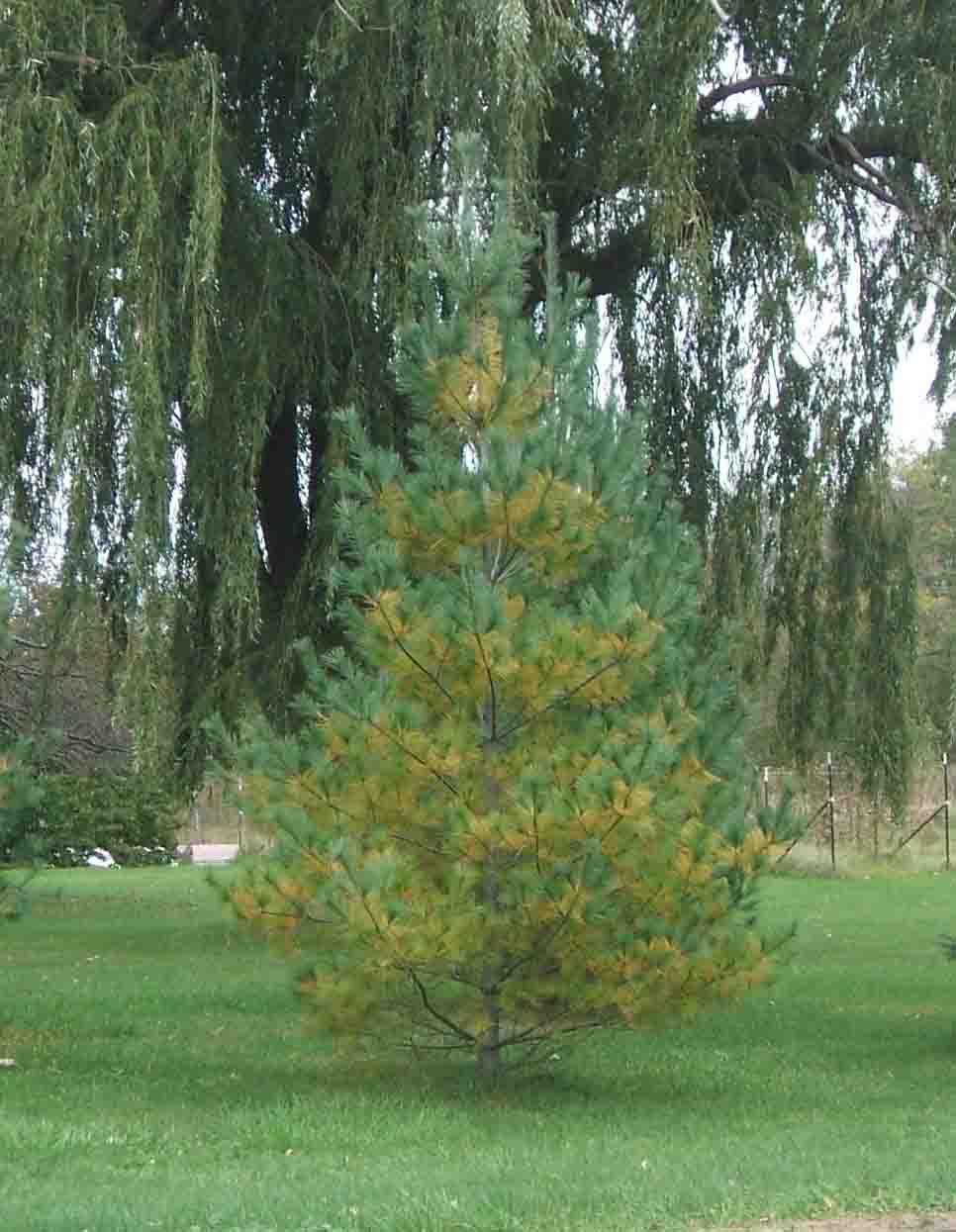
In last week’s post I mentioned that many tree problems can be difficult to diagnose and require a thorough inspection and site analysis to get to the root of the problem.  In contrast, a recent issue that has generated a lot of calls is easy to explain and is not a cause for major concern.  Many homeowners and others are alarmed that needles on their white pines are turning bright yellow.


“Is my pine dying?”

The key in assessing this situation is looking at which needles are turning color. … Continue reading this article “EverGreen or EverYellow?”

Blog bizarre

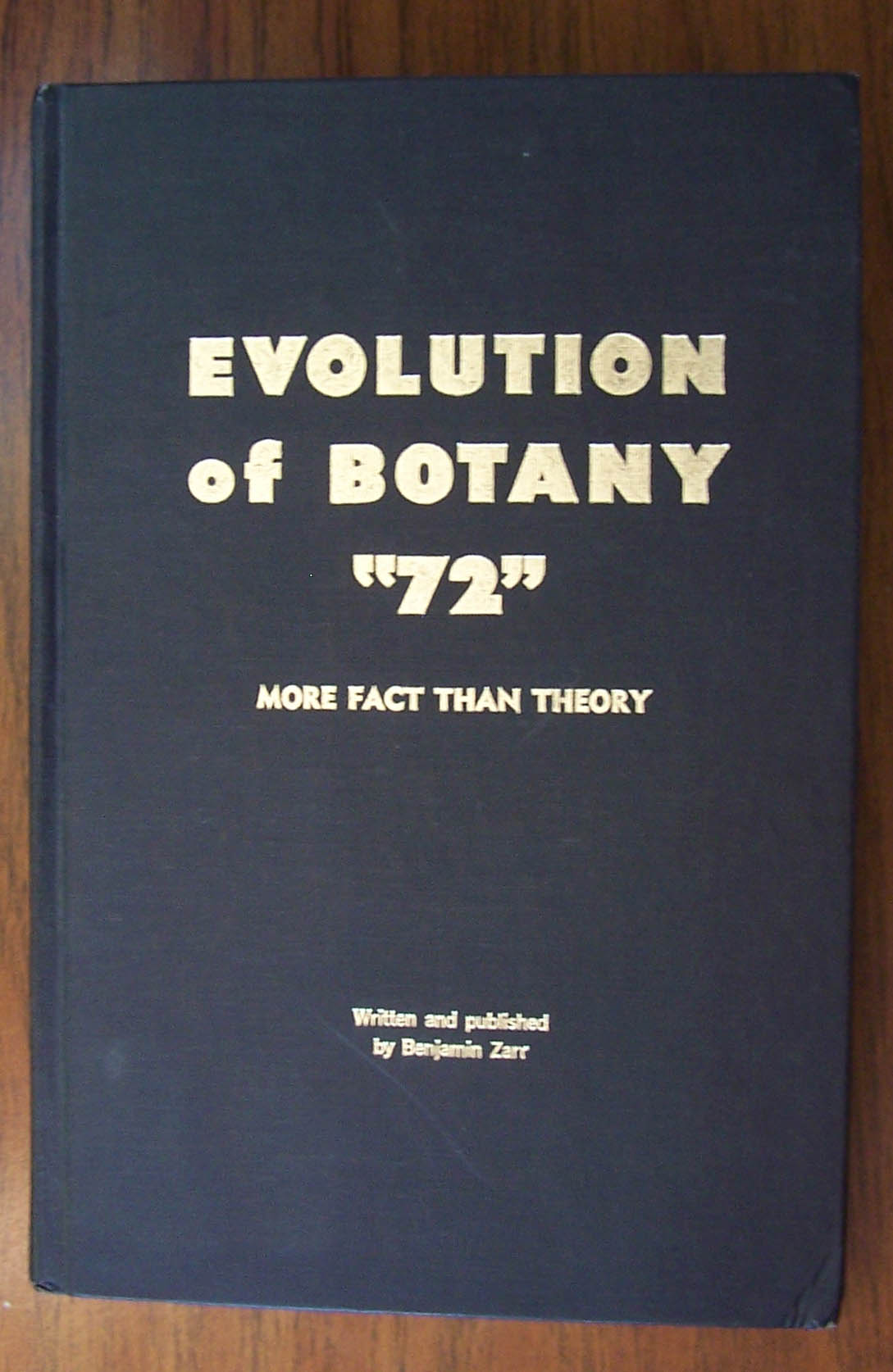
Jeff’s post yesterday gave me the perfect opportunity to showcase the star of my bizarre book collection..  It’s called “Evolution of Botany:  More Fact Than Theory” written and published by Benjamin Zarr (author of several other books, including “Evolution:  No One Can Break Down My Theory!”)  Jeff, he’s written more books than you and I put together.

This book was “willed” to me by a dear colleague at Buffalo State College after he retired.  When I first received it, I tried to read a chapter, but found it impossible to finish. … Continue reading this article “Blog bizarre”

RAWRRR!

Posted in honor of Garden Rant’s Halloween-related garden photo contest.

Pick me, Amy, pick me!!!


Now For The Scary Part

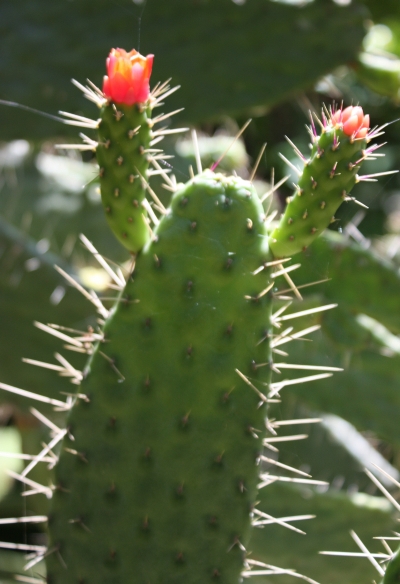
This little dude is the Florida Semaphore Cactus, native only to hardwood hammocks in the middle and lower Keys. According to the Center for Plant Conservation, Opuntia corallicola may very well be the most endangered plant in the United States.”  Only one wild population remains (eight individuals), plus a few sites of re-introduction. Loss of habit and an exotic cactus moth have contributed to the demise of this most personable of cacti.… Continue reading this article “RAWRRR!”

As Bad As It Gets?

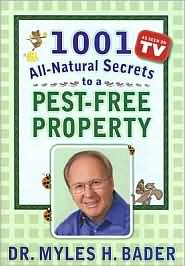
Last week I took a look at old, out of print books that are worth finding and reading.  This week I think I’ll take a slightly different track and instead turn my attention to a book that is currently in print, but which shouldn’t be.  In fact, 1001 All-Natural Secrets to a Pest-Free Property by Myles H. Bader can be found in many bookstores, was actually one of the best selling garden books of 2006, and is still selling today. … Continue reading this article “As Bad As It Gets?”

Whoo hoo!

I promise I’ll post something more substantial today…but I had to pass this email message along that I received this morning.  Way to go colleagues and commenters!

Hi Linda,

Your new weblog, the Garden Professors, is an impressive piece of work! I plugged it today in the consumer horticulture CoP blog [http://www.consumerhortcop.wordpress.com].

Regards,

Bill Hoffman
National Program Leader (Ag Homeland Security)
CSREES/USDA