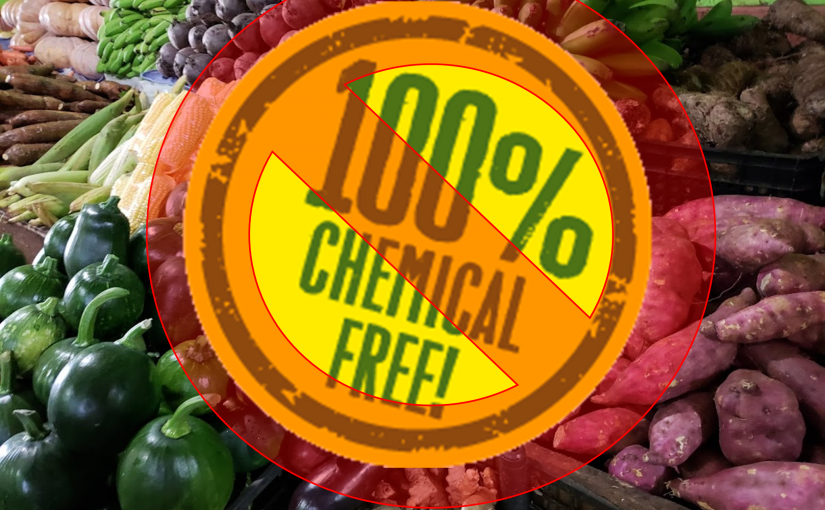
“Chemical-free” – a term I’ve seen several times attributed to many products, especially food and produce at farmers markets and even in gardening circles these days. This term is often misused to describe plants grown without the use of any pesticide, either conventional or organic. I have my thoughts that I’ll share later on that subject but first let’s talk about this “chemical-free” that gardeners, farmers, and others use and why its not only a myth, but a dangerous one at that.… Continue reading this article “Everything is chemicals: the myth and fear of “chemical-free” gardening”
Xeriscape – landscaping whose time has come.
With drought conditions or lower than average precipitation becoming more widespread across the country, it’s time to revisit the principles of xeriscape gardening. Let’s take a look at the “classic” principles and we’ll update them, Garden Professor style.
Note: If you’re growing food crops to supply your table not all of these principles will apply. Some will, e.g mulching, and some won’t. This blog post is focused on ornamental landscaping.

SO WHERE DID IT ALL BEGIN?… Continue reading this article “Xeriscape – landscaping whose time has come.”
Two new climate reports indicate what gardeners may expect in the future
In the past week, two new major climate reports have been released. One is the latest (6th) report from the Intergovernmental Panel on Climate Change (IPCC) and the other is the State of the Climate 2020 report. Of the two, the IPCC report has garnered a lot more press, but both are compilations of work by hundreds of scientists looking at recent weather and climate patterns and how they are affecting us here on earth.… Continue reading this article “Two new climate reports indicate what gardeners may expect in the future”
Garden Logic – understanding correlation and causation in our gardens and landscapes

Upon reading this post’s title, you may be inclined to stop right there. (That’s why I have an eye-catching photo to lure you in.) While logic may seem irrelevant to your enjoyment of gardening, I can guarantee that reading this blog post will challenge many seemingly logical assumptions you’ve heard or read about. Recognizing unsubstantiated assumptions and avoiding their pitfalls means you can make wise choices about how you care for your gardens and landscapes.… Continue reading this article “Garden Logic – understanding correlation and causation in our gardens and landscapes”
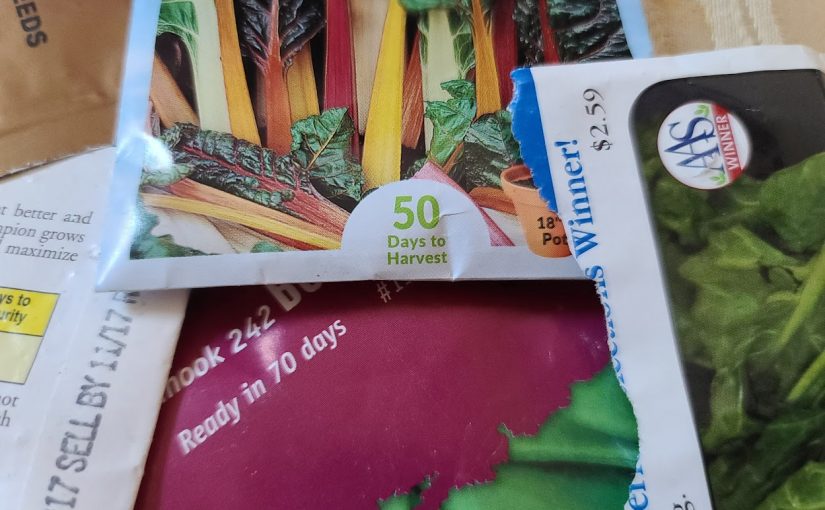
Counting the Days to Maturity: Calculating planting dates for fall vegetables
While most of the US is still seeing sweltering hot temps, the cool temps of fall and winter aren’t really all that far away for those of us unlucky (or lucky) enough to not live in a tropical climate. The tomatoes, peppers, cucumbers, and other warm-season crops planted back at the beginning of summer are still puttering along, even if they might be getting a little long in the tooth and starting to look a little worse for wear ( especially if disease has ravaged them). … Continue reading this article “Counting the Days to Maturity: Calculating planting dates for fall vegetables”
Diagnosing Abiotic Disorders II
In this blog I continue to examine maladies caused by environmental conditions in the absence of a disease agent or insect.
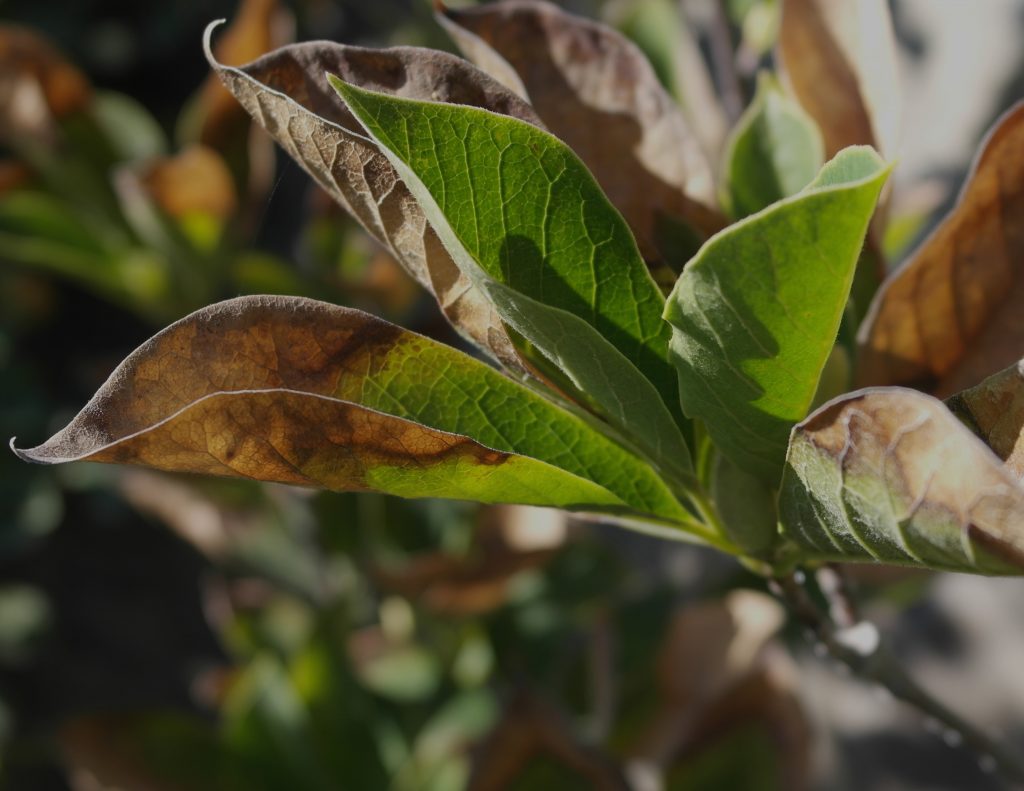
Salinity
Salt in soils or water is simply the presence of too many soluble ions in the soil-water solution. This tends to happen in dry climates where evaporation rates exceed precipitation rates. In these climates salts accumulate in soil when surface waters pick up minerals from soil that is high in precipitated salts.… Continue reading this article “Diagnosing Abiotic Disorders II”
Heat domes, wet spells, and the weather patterns that tie them together
Do you have a favorite kind of weather that you love to experience? For me, it’s the first warm evening of spring, when the air is just warm enough and the wind just strong enough for the air to feel as though it is dripping off my fingers. On nights like that, I can tell that the air really is a fluid, the topic of this week’s blog.

What causes atmospheric weather patterns?
… Continue reading this article “Heat domes, wet spells, and the weather patterns that tie them together”Backyard biocontrol – using natural enemies to wipe out invasive weeds
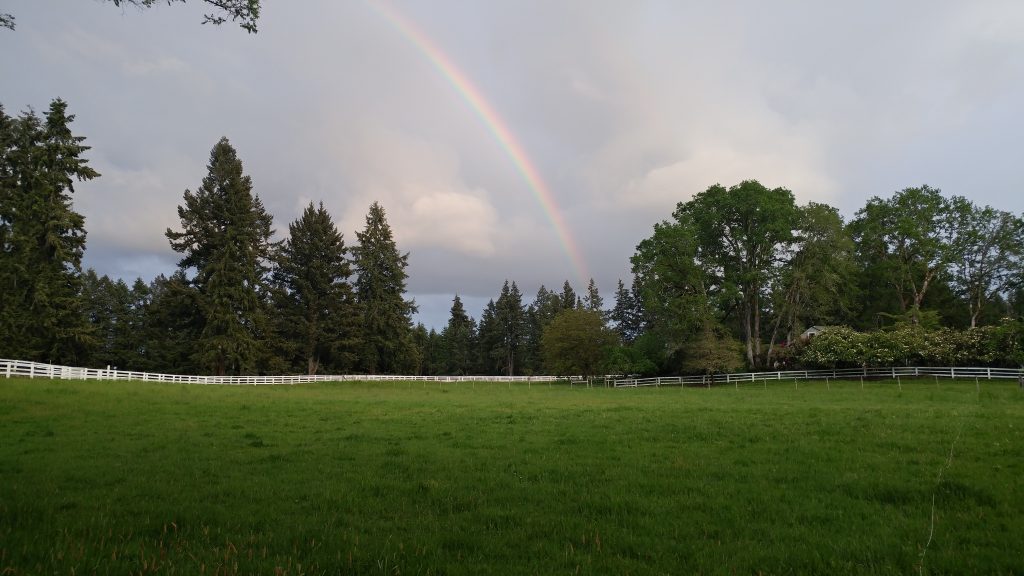
Four years ago we moved to the family farm (where I grew up) and we’ve enjoyed restoring the 1 acre landscape around the farmhouse. Given that the residential part of this farm is surrounded by pastureland, there is a continual influx of weed seeds into our managed beds. While our thick applications of arborist wood chips have kept out many weeds, they still pop up where mulch hasn’t been applied yet or is too thin.… Continue reading this article “Backyard biocontrol – using natural enemies to wipe out invasive weeds”
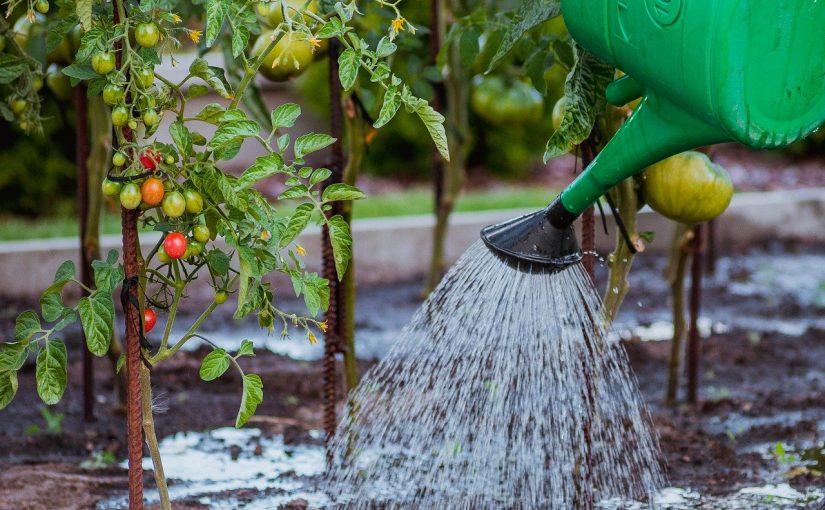
Water: Garden Friend….and Foe? – Water, Relative Humidity, and Plant Diseases
We all know that water is essential for life and that we have to ensure our landscapes, gardens, and houseplants all have a sufficient supply of the stuff. Forget to water your garden during a hot, dry spell and it could mean disaster for your plants. But water can also create issues for plants, usually when it is in an overabundance – water helps spread and develop diseases on foliage and excess soil moisture can damage roots, creating opportunities for root rots and other diseases. … Continue reading this article “Water: Garden Friend….and Foe? – Water, Relative Humidity, and Plant Diseases”
Diagnosing Abiotic Disorders I

Insects and pathogens cause damage and disease in garden plants, but damage can also occur in absence of pests. We refer to these diseases as abiotic disorders. Plant pathologists consider abiotic disorders diseases because plants develop symptoms that reflect the changes in their physiology over time.… Continue reading this article “Diagnosing Abiotic Disorders I”