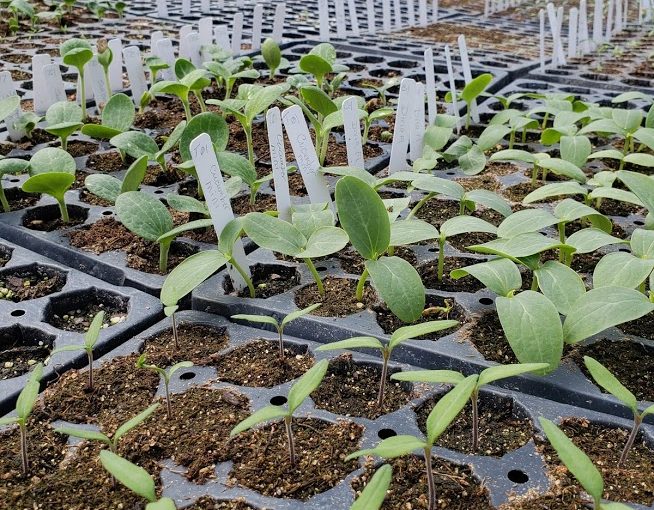
Feel the Heat: Temperature and Germination


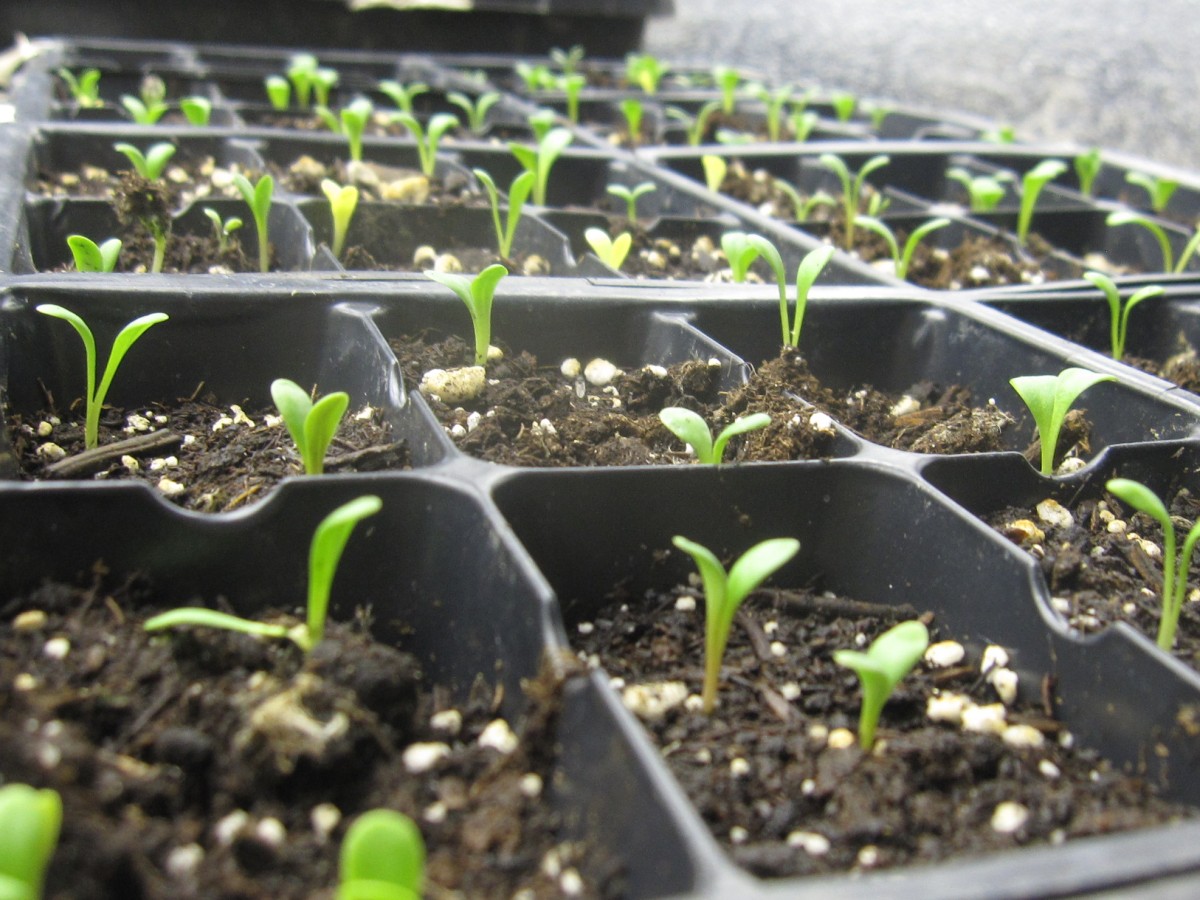
In most parts of the country it is time to dust off the seed starting trays, pick out your favorite seeds, and get a little plant propagation going on.  There’s definitely a lot of science (and perhaps a bit of art) to successful seed starting.  While the process starts (and relies on) the imbibition of water, one of the biggest factors that affects the success, efficiency, and speed of seed germination and propagation is temperature. … Continue reading this article “Feel the Heat: Temperature and Germination”
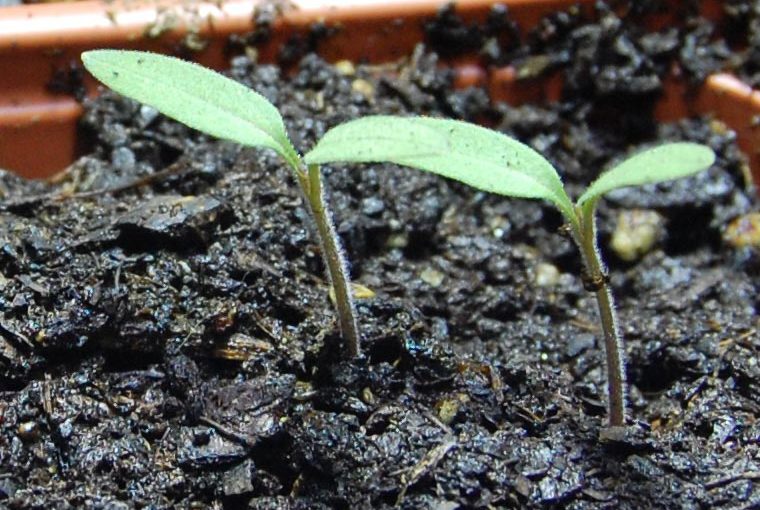
Compost in Seed Starting Mix: Recipe for Success….or Failure?

A recent question posted to the Garden Professors blog Facebook group (a place where you can join and join in conversation of garden science) asked about the potential for compost added to seed starting media to cause failure in germination.  It is a good question, and one that seems to have several different camps – from garden hero author folks swearing by it in their (non-peer reviewed) books, to fact sheets saying it isn’t a good idea.… Continue reading this article “Compost in Seed Starting Mix: Recipe for Success….or Failure?”

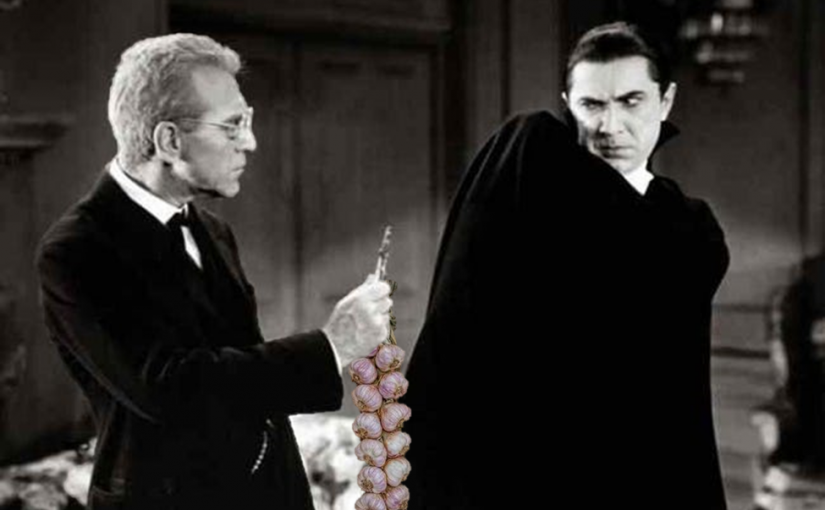
Grow Garlic – Keep the Neighborhood Vampires at Bay

While most of those gardening tasks are coming to an end, in most parts of the US it’s time to think about planting a few things in the veggie garden to bring a flavorful bounty next year – garlic (and a few related alliums).

I often reference Halloween and vampires when I talk about garlic, not just because traditional lore says that garlic repels vampires, but because it is a good reminder of when to plant garlic in the garden.… Continue reading this article “Grow Garlic – Keep the Neighborhood Vampires at Bay”

My cucurbits won’t stop having sex.

Not really a botanically-correct statement, but you know what I mean. John Porter’s previous blog post did a great job of explaining cucurbit reproduction (loved the Pucchini). Though I was surprised to learn “not getting any fruit” is actually a problem. Can’t say I’ve had an issue with that, ever. We have a really vibrant bee population and they’ve been super busy.

I love growing squash of all sorts, despite not being a terribly gifted vegetable garder.… Continue reading this article “My cucurbits won’t stop having sex.”

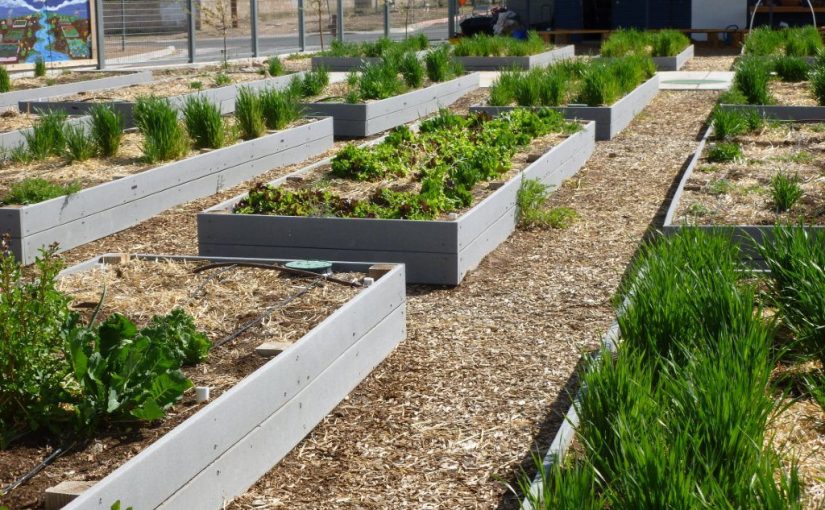
A Raised Bed Rebuttal: In defense of a common garden practice and soil health

One of the things I miss (and sometimes don’t miss) after my move from West Virginia to Nebraska is writing my weekly garden column for the Charleston Gazette-Mail newspaper.  It was a great way to always keep thinking about new things to talk about and a great way to connect with the public.

After I left, the newspaper replaced me with a team of 4-5 local gardeners who would take turns writing about their different gardening insights and experiences. … Continue reading this article “A Raised Bed Rebuttal: In defense of a common garden practice and soil health”

BOTANIST IN THE KITCHEN

(Revisiting Ray’s Recommendations)

It’s been awhile since I wrote about, or recommended a blog I like which I often use as a source of something to share to The Garden Professors Facebook Page, so I thought I’d revisit the topic this month.

Botanist in the Kitchen was launched in the fall of 2012 by Dr. Jeanne Osnas and Dr. Katherine Angela Preston, evolutionary biologists who also love to cook and were often asked by friends and family to discuss the details about plants during dinner parties.… Continue reading this article “BOTANIST IN THE KITCHEN”

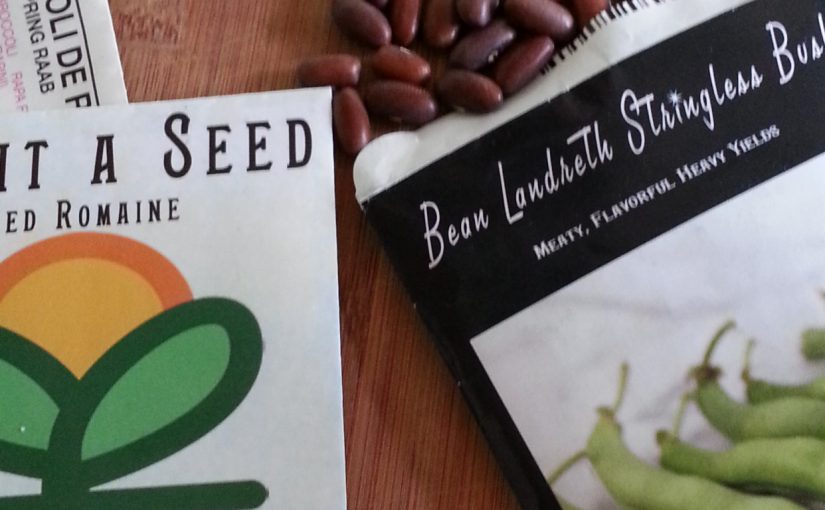
Translating the Language of Seed Packets: Hybrid, Heirloom, non-GMO, and more

Hybrid, heirloom, organic, non-GMO, natural….there’s lots of labels on those seed packets or plants you pick up at the garden center or from your favorite catalog.  Since the seed-starting season is upon us, let’s take a minute to look at some of the information – and mis-information – you might find on those seed packets.

For a brief overview, here’s a short video segment I recently shot for the Backyard Farmer Show, a popular public TV offering for Nebraska Extension:

Hybrid vs.Continue reading this article “Translating the Language of Seed Packets: Hybrid, Heirloom, non-GMO, and more”

Creative Lighting for Seed Starting

As we get close to the time to start tomato, pepper, and other seedlings indoors, I thought I’d share this picture of my older sister’s seed starting setup from few years ago:

lamps et al

Two desk lamps with compact florescent bulbs. Not traditional, but worked great. Just a reminder that you can get creative when it comes to lighting for seedlings, using whatever fixtures and layout works for your space. The only rules are to use florescent or LED bulbs, not those old fashioned incandescent bulbs which have poor light for plants, and err on the side of more light rather than less to make sure you get compact, healthy plants that will transition to the sunny outside world without drama.… Continue reading this article “Creative Lighting for Seed Starting”

Why you (probably) shouldn’t be starting seeds yet

As a beginning gardener I learned that to give plants like tomatoes and peppers more time to grow and produce the largest possible crop, it was best to start the seeds early indoors.

gazaniaseedlingsAs soon as I learned that, I wondered: Well, if starting my tomatoes 6-8 weeks before transplanting them outside is good, surely 10 weeks would be better, right? Or 12? Or 16?

Turns out, earlier isn’t always better, and here are some of the reasons why.… Continue reading this article “Why you (probably) shouldn’t be starting seeds yet”

Just like it said on the seed package!

I believe I’ve spent approximately $1,000,000 on seeds over the years.  Plant and seed catalogs are usually addressed to “Gullible L. Scoggins.” I really suffer (on many levels) during the darkest days of winter; this makes me highly susceptible to seed catalogs filled with delicious descriptions and enhanced photos.

This spring, I sorted through my massive bin of partially used seed packets and ruthlessly (ruthlessly!!!) chucked everything dated prior to 2012 (like normal people do).  A large portion of the expired packets were for squash and zucchini.… Continue reading this article “Just like it said on the seed package!”