Last month in my blog My Soil Is Crap Part I, I tried to dispel the myth that you can diagnose soil problems by just looking at your soil. While the color of a soil does impart some diagnostic qualities, most soils are not easily analyzed without a soils test. A complete soils test will give a textural analysis including useful information about water holding capacity and a variety of chemical analyses. Soil reaction or pH is an essential component of any soil test (and is often unreliable in home soil test kits).… Continue reading this article “My Soil Is Crap, Part II”
Category: Uncategorized
“Have you ever seen the rain?”
If you’ve been around as long as I have, you will no doubt remember the Creedence Clearwater Revival song “Have You Ever Seen the Rain”. This week I want to talk about sensing the rain using radar and how you can use it to provide you with local rainfall information if you don’t have a rain gauge of your own.
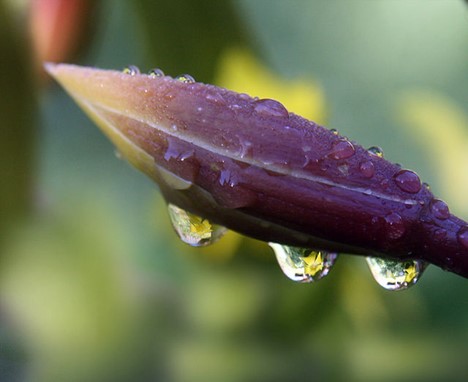
How does radar work?
Radar is what scientists call an active sensor, because it sends out a beam of electromagnetic radiation that is reflected back to the radar if it hits something reflective like raindrops or hail (it also works on birds, insects, and cars traveling along interstates, but that’s another story).… Continue reading this article ““Have you ever seen the rain?””
Leave your lawn alone!
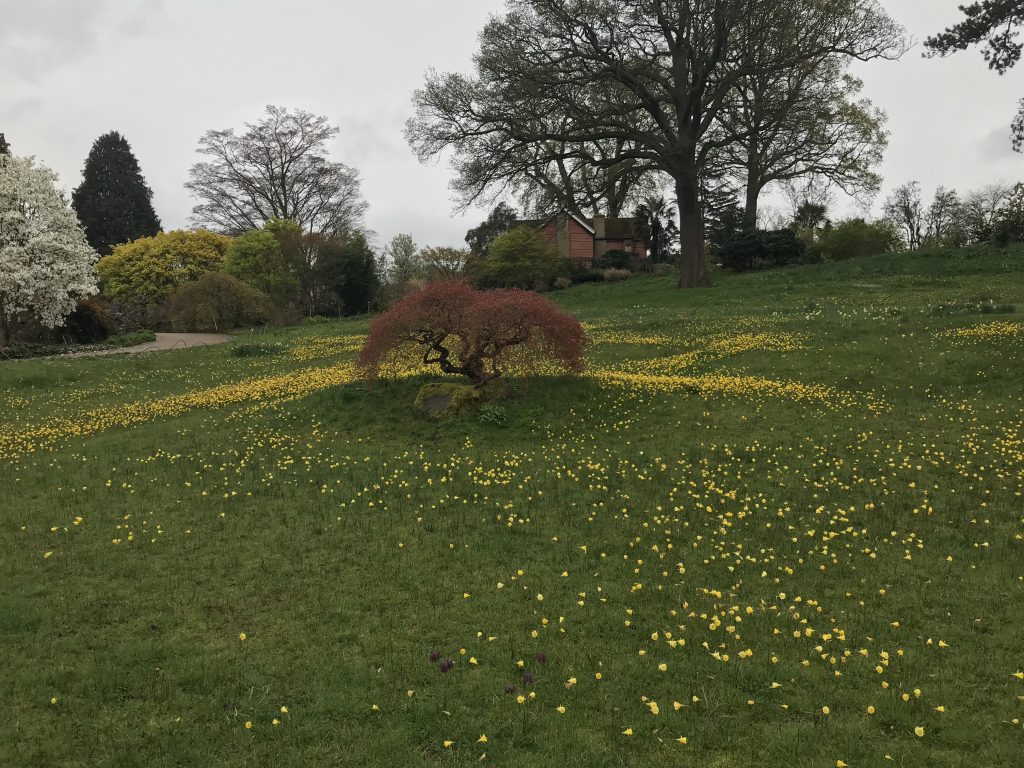
Nothing seems to take homeowners more time, or generate more frustration, than maintaining their lawns. In addition to mowing, fertilizing, and applying pesticides for weeds, insects, and diseases, gardeners fret about removing thatch and aerating the soil. Commercial interests have taken note and pedal various “aerifying” products like soap (cunningly described in non-soap terminology), spiked sandals, and thatching rakes. Previous posts (here and here) have addressed ways to decrease fertilizer and pesticide use.… Continue reading this article “Leave your lawn alone!”
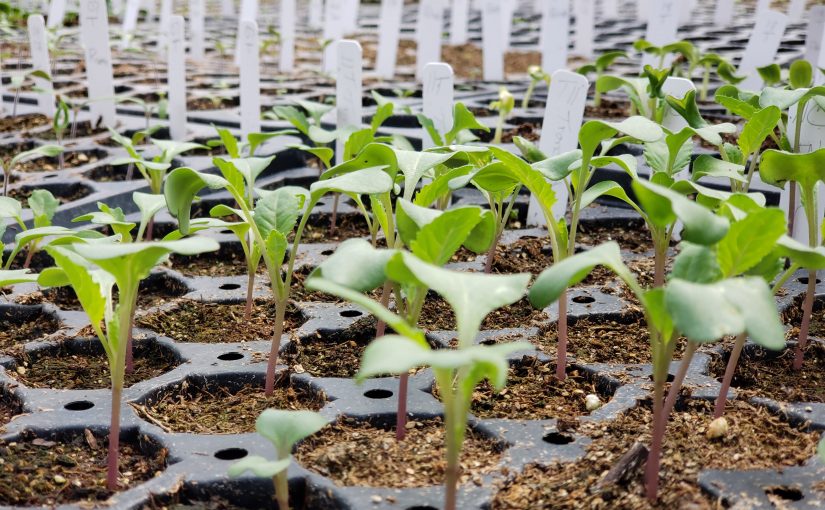
To (direct) sow, or not to sow, that is the question: whether ’tis nobler in the garden to transplant
Most experienced gardeners will tell you what should be started indoors (or purchased) as transplants and what should be direct sown into the garden, but this can often be confusing for new gardeners. Add to the confusion the fact that some plants have a gray area when it comes to what is best, sometimes it depends on the time of year, and sometimes it depends on where you are as to whether what is possible. So if you forget to start your favorite tomato or begonia indoors in time to transplant, do you have options? … Continue reading this article “To (direct) sow, or not to sow, that is the question: whether ’tis nobler in the garden to transplant”
My Soil is Crap
My Soil is Crap! Or is it?
Over several years of teaching basic soil science to arborists, master gardeners and students something started to coalesce into a trend. If I ask my students do they have “good” soil, many say no. I have heard Master Gardeners complain their soil is terrible or that a certain soil is bad in some way. People form opinions about soil based on its color, texture, odor, or even how plants grow in it (perhaps the most diagnostic quality).… Continue reading this article “My Soil is Crap”
Where to find spring frost dates and the mystery of Southeastern frost trends
Most gardeners this time of year are thinking about the last frost dates for their locations and how soon they can get out into their garden plots. Here in the Southeast, many areas have already passed their last frost or will soon, while in other parts of the country, it may be many weeks before the threat of frost is over. In this week’s column, I want to describe a way to get frost dates for your location and discuss the mystery of why the date of the last spring frost is getting later in the Southeast in spite of temperatures that are rising across the country.… Continue reading this article “Where to find spring frost dates and the mystery of Southeastern frost trends”
The contrarian rosarian–debunking rose mythology
Roses are perhaps the most frequently cultivated landscape plant across America. Rose gardens are common to parks, landscapes, botanical gardens and for homeowners. Everyone seems to have an opinion about rose culture and there are numerous clubs and societies to support the hobby of rose growing. This week I am in the midst of pruning my rose fertilizer study here in Santa Paula California. I have 240 roses of eight varieties and my thoughts are on roses now, so I offer this blog to dispel some of the myths about rose horticulture.… Continue reading this article “The contrarian rosarian–debunking rose mythology”
Why Fresh is Best—when it comes to mulch?
One of the most misunderstood gardening practices is mulching. There is much mulch misinformation in horticulture books, web pages and even extension leaflets. First,what is Mulch? Mulch is any substance the covers the soil surface. Mulch can be inorganic (rock), hydrocarbon (plastic) or carbon based (chips, bark etc.) While any material applied to the soil surface could be considered mulch, the benefits of mulching especially to woody plants are greatest from fresh woody chippings of tree trimmings–so called “arborist chips” applied fresh—not composted.… Continue reading this article “Why Fresh is Best—when it comes to mulch?”
The weather where you are
Greetings from Athens, GA! I am happy to join the group of contributors to the Garden Professors blog. My name is Pam Knox, and I am an agricultural climatologist in Extension at the University of Georgia as well as the Director of the UGA Weather Network and a former State Climatologist from Wisconsin. While I don’t claim to be an expert in gardening, I do know a thing or two about how weather and climate affect plants and hope to share some of that expertise with you over time.… Continue reading this article “The weather where you are”
Pruning Paints Debunked
When my turn comes up to blog for the Garden Professor site I like to reflect on the horticulture in my own gardens and orchard. Right now I am focused on pruning my old apple and stone fruit orchard. It has suffered bear attacks, drought, and mismanagement before we arrived in 2018. The previous owners were very aware of the need to treat pruning cuts large and small. The remnants of tree wound dressings are found all through our orchard and range from white latex paint to silicone caulk.… Continue reading this article “Pruning Paints Debunked”