Tomato season is open!

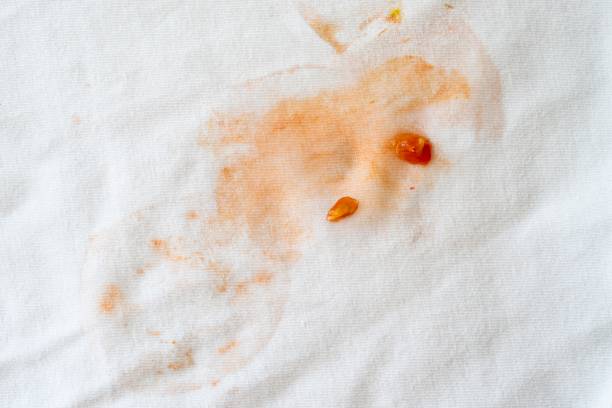
Mmmmm, fresh summer tomatoes. They’re great sliced, diced or made into salsa or sauces. There’s nothing like picking one right off the vine, popping it in your mouth and splat! You now have tomato all over your shirt.
“No problem,” you think, “it’ll come out in the wash.”
Fast Forward to Laundry Day…

As you’re putting your freshly washed and dried laundry away you notice that tomato stain is still there. So you toss it back in the hamper for next time.… Continue reading this article “Tomato season is open!”

Saving Your Trees From Drought!

Yikes!

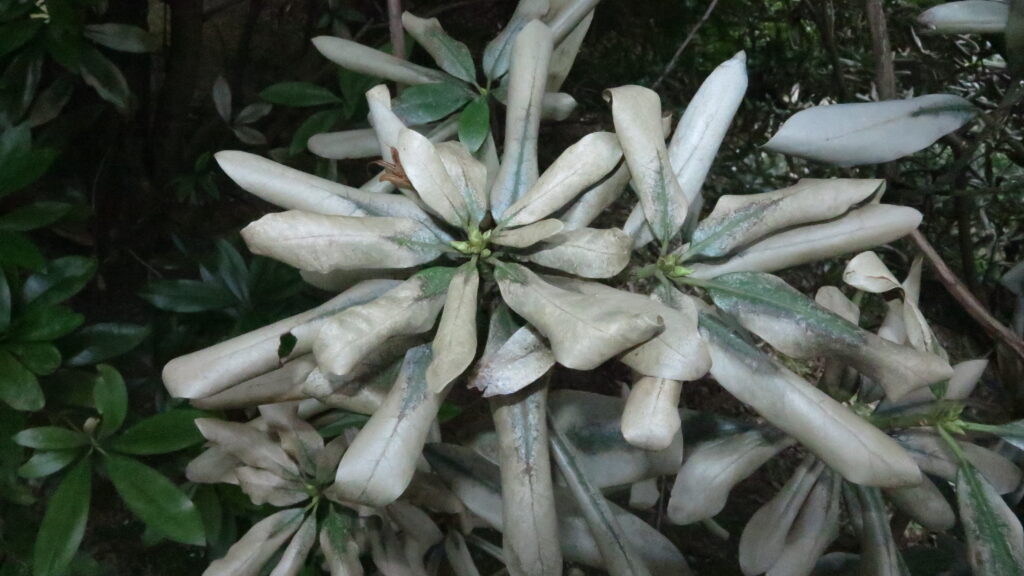
Drought of epic proportion is imperiling many western states this year. For the first time some water districts have proposed curtailment of all exterior irrigation, no applied water will be allowed outside of residences. There are public forums are scheduled with experts and officials giving advice. Of great concern is the certain loss of turfgrass swards but far more concern is being expressed for the loss of trees.

Drought brings change in landscapes. Here European birch have died and provide opportunities for planting more drought tolerant species

Don’t assume your trees will die of drought!Continue reading this article “Saving Your Trees From Drought!”

Creating artificial nesting structures for cavity nesting solitary bees

Pollinators, especially bees, are an important part of our agriculture, economy, and ecosystems. Gardeners are often well-versed in the importance of bees since we get the opportunity to see these incredible animals in action. We enjoy the results of their labor in the form of fruits, “vegetables”, and seeds which feed wildlife and create beauty and interest in our gardens. In North America alone, there is an estimated 4000 species of native bees, and an estimate of over 20,000 species around the world.… Continue reading this article “Creating artificial nesting structures for cavity nesting solitary bees”

Monitoring and reporting on drought conditions

While drought is part of the natural cycle of the climate and many native plants depend on drought to propagate, it is the bane of gardeners everywhere because of the increased need for water. I have previously written about the four types of drought. Today I thought I would focus on drought monitoring and a way that you, as a citizen scientist, can help report local conditions that the official drought monitor authors can use to fine-tune their depictions of drought.… Continue reading this article “Monitoring and reporting on drought conditions”

Maddening mulch myths

A good example of bad mulching

Long-time followers of this blog know that I’ve been researching, writing, and educating on the topic of landscape mulches for over 20 years. So whenever an article comes out in a newspaper or online that directly refutes our current understanding of mulch science, on-line and real-life colleagues quickly call it to my attention. Many times I choose to ignore the article, but when it’s from a highly regarded source with wide readership I feel the need to step in.… Continue reading this article “Maddening mulch myths”

Burlap, the fashion fabric of the gardening world.

Cheap, lightweight and easy to manipulate, burlap has become a popular way to protect transported B&B trees from the nursery to their planting site. To add justification for its use it’s also touted as biodegradable. “No need to remove it!” or “Leave it in place to protect the root ball.” and other such phrases are often tossed at the unknowing homeowner but are they laudable? Let’s investigate.

Hessian soldiers ca. American Revolutionary War – what do they have to do with burlap?… Continue reading this article “Burlap, the fashion fabric of the gardening world.”

Garden Diagnostics

A garden plant with symptoms of an insect infestation

I’ve had this funny feeling that something is just not right in my garden. Can’t put my finger on it, but something is amiss. OMG everything is dying! Help! Garden Death is rampant! Well, a bit of hyperbole perhaps, but over the years I have had many calls from gardeners with great concern for plants or their entire garden based on things they perceive to be going on.… Continue reading this article “Garden Diagnostics”

What a third year of La Niña means for gardens

NOAA recently announced that La Niña is favored to continue through summer and fall this year and could last through next spring. This forecast is bound to strike fear in gardeners in the western United States, since La Niña is associated with drought in the western parts of the country which sorely needs more rain. Los Angeles has announced some stringent watering restrictions due to impending water shortages, and that means gardeners will have to be especially careful there to use the water they have wisely.… Continue reading this article “What a third year of La Niña means for gardens”

The plants have eyes! Another foray into B(ad) S(cience).

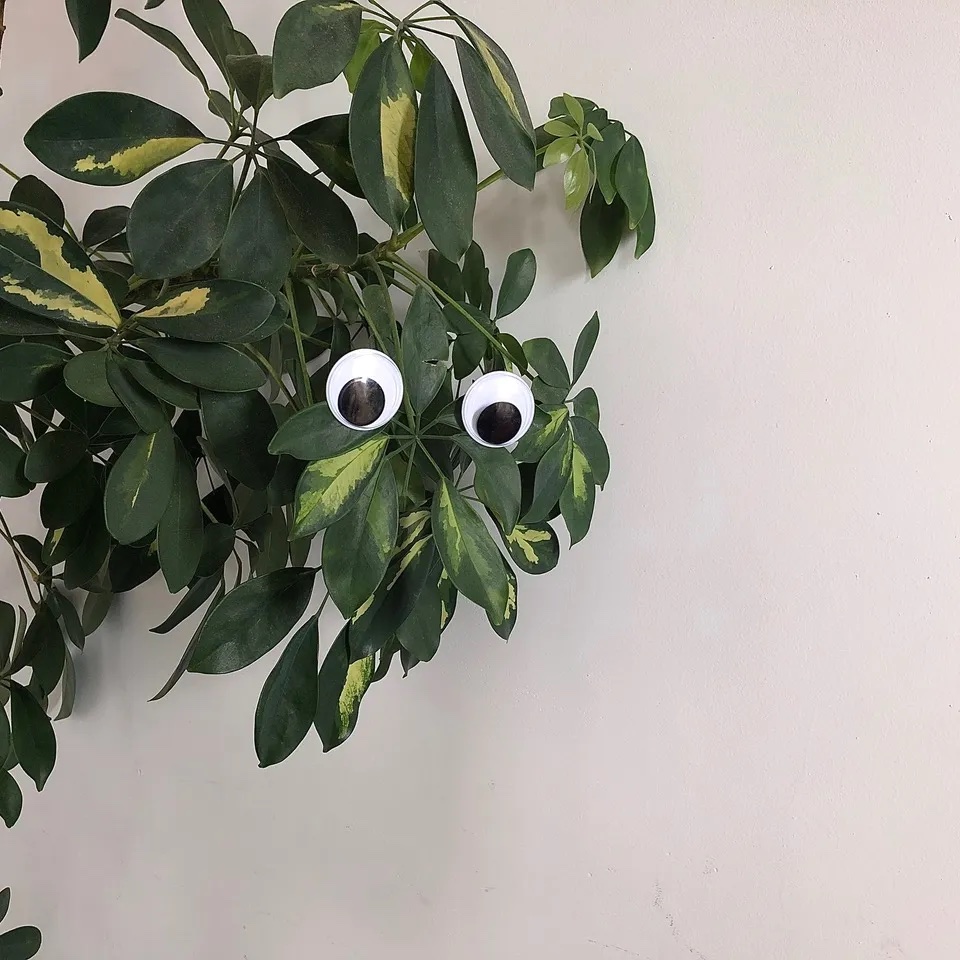
A week or so ago one of my “friends” sent me a link to a new journal article that claims plants can “see.” (The use of quotes here indicates that plant vision is suspect, as is the friend status of the person who sent the article.) Of course, dissecting the claims in this article became an all-consuming task for the next several hours. And rather than writing off those hours as never to be reclaimed, I decided a blog post would at least set those thoughts down to save other skeptics the time.… Continue reading this article “The plants have eyes! Another foray into B(ad) S(cience).”

People and Plants

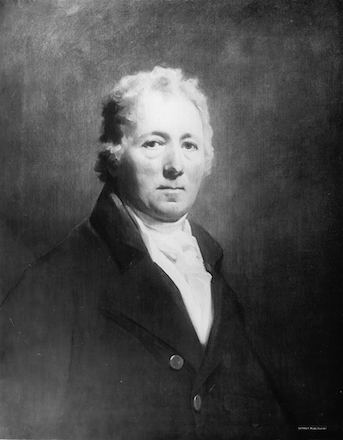
This is the springtime installment of our random, look-behind-the-scenes of the plant world blog post. In this episode we’ll take a look at William Forsyth, a gud Scottish horticulturist.

William Forsyth 1737-1804

William Forsyth was born in 1737 in Old Meldrum, Aberdeenshire in northeast Scotland. In 1763 he moved to London to work at Syon Park House for the Earl of Northumberland. After that gig he transferred to the Chelsea Physic Garden and trained as a gardener under Phillip Miller.… Continue reading this article “People and Plants”