This time of year, I frequently notice the change of the sun’s daily position over time, since my family room faces east. This is especially true as most of my trees on that side of the house are deciduous—as the leaves fall, I get a better look at where sunrise is actually occurring and how it is changing day by day. Sun angle and the amount of sunlight that reaches different parts of your garden can have a big impact on what kinds of plants you can grow and how your garden appears. This impact changes daily as well as seasonally and is based on your garden’s orientation. In this post we will discuss how the sun angle affects gardening and how you can use sun angle to help plan your garden.
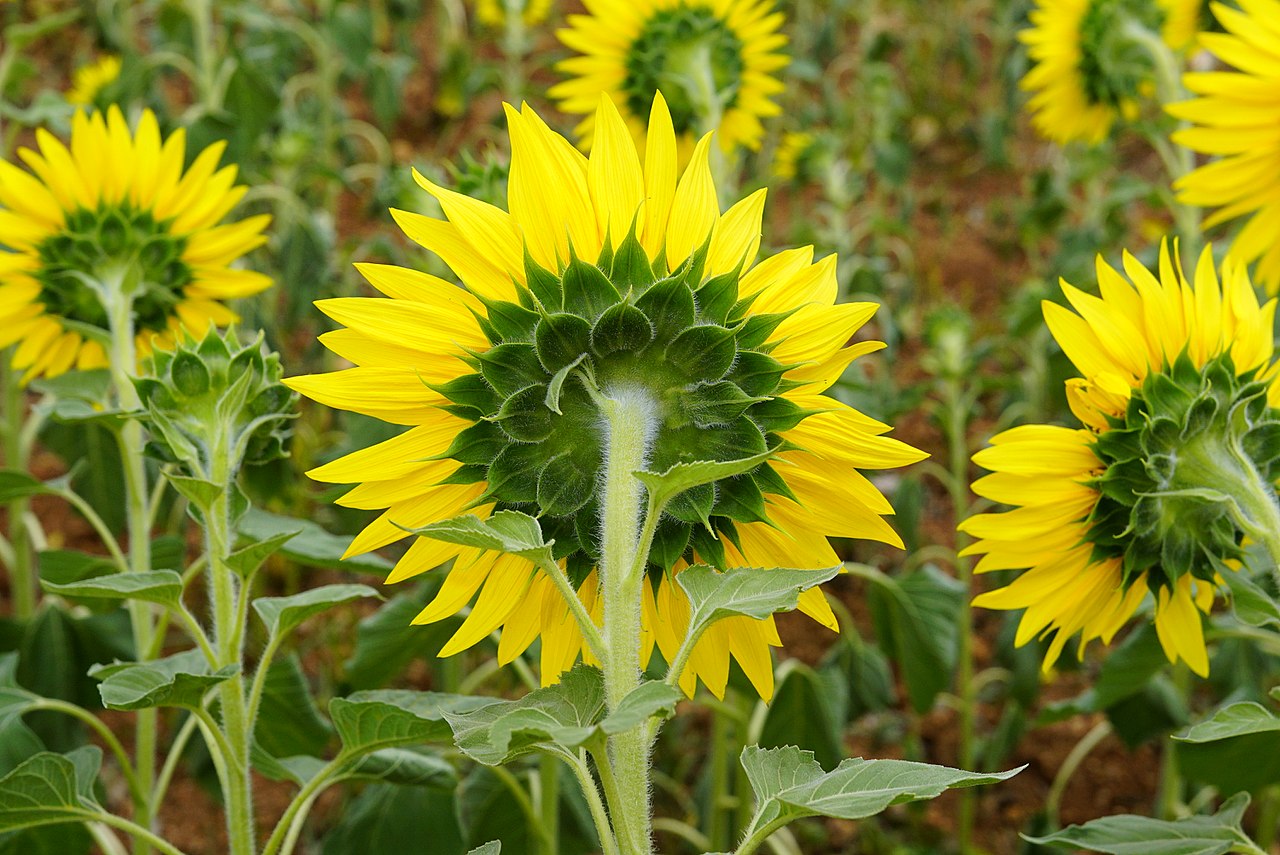
How sun angle and day length change with the season
The tilt of the earth’s axis of rotation causes the path of the sun across the sky to change throughout the year. When the North Pole is pointed towards the sun (Northern Hemisphere summer), the sun is high in the sky, days are long, and the light is the most intense. This can lead to high temperatures and the risk of sun scorch or heat stress on sensitive plants where direct sunlight is strongest. When the North Pole is pointed away from the sun (NH winter), days are short, the sun is low in the sky, and the light is generally weaker. Shadows are longer and stretch further, which means that an area that might get full sun in summer may be entirely shaded in winter. This can limit gardening options in colder months even in areas where there is no frost.
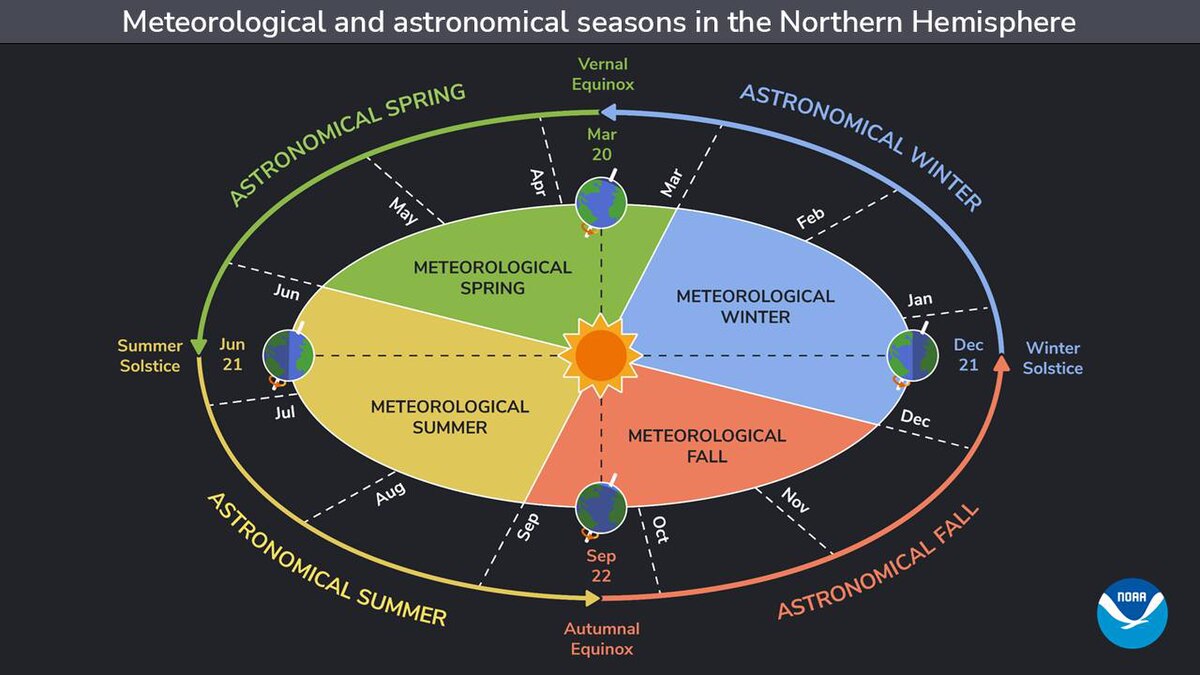
In spring and fall, the sun’s angle is intermediate and changes more quickly from one day to the next. Of course, if your garden has deciduous trees, shade will also be affected by the leaf-out of those trees and will increase as the leaves grow and expand, so the type of surrounding tree cover will also be a factor.
You can find a useful tool to help you determine the direction of the sun at any time and place at https://sun-direction.com/.

Cloud cover and sunlight
In the real world, the sun doesn’t always provide much light if you are in an area with a lot of cloud cover. Some areas have a lot more cloud coverage than others due to the effects of mountains or water bodies that help form clouds. Cloud cover can also vary depending on the season and what types of weather are affecting a particular region. Where I grew up in western Michigan, the effect of lake effect cloud cover made winters and springs quite gloomy and any sunlight was welcome. However, in summer the prevailing wind shifted from the northwestern flow that occurred in winter to winds that were primarily from the south. As a result, our summer weather was much sunnier and warmer because of the increased sun due to fewer clouds. You can see a video of the seasonal cycle of cloud cover across North America here or see monthly maps over the United States in Brian Brettschneider’s Climate Blog. If you are in an area with a lot of cloud cover, especially during the growing season, you will need to factor that into your planning, since clouds reduce the amount of incoming sunlight and influence photosynthesis.

How sun angle and light exposure affect plant growth
The amount of light that hits a plant will directly control photosynthesis and plant development. Since plants use light energy for photosynthesis, the more light-hungry a plant is (like fruiting vegetables), the more hours of direct, intense sunlight it needs (typically 6-8 hours or “full sun”). Shade and insufficient light will result in weak, leggy plants with poor fruit or flower production. If the sunlight is unevenly distributed, the plant will grow and bend towards the light source, resulting in weaker stems or an uneven shape.
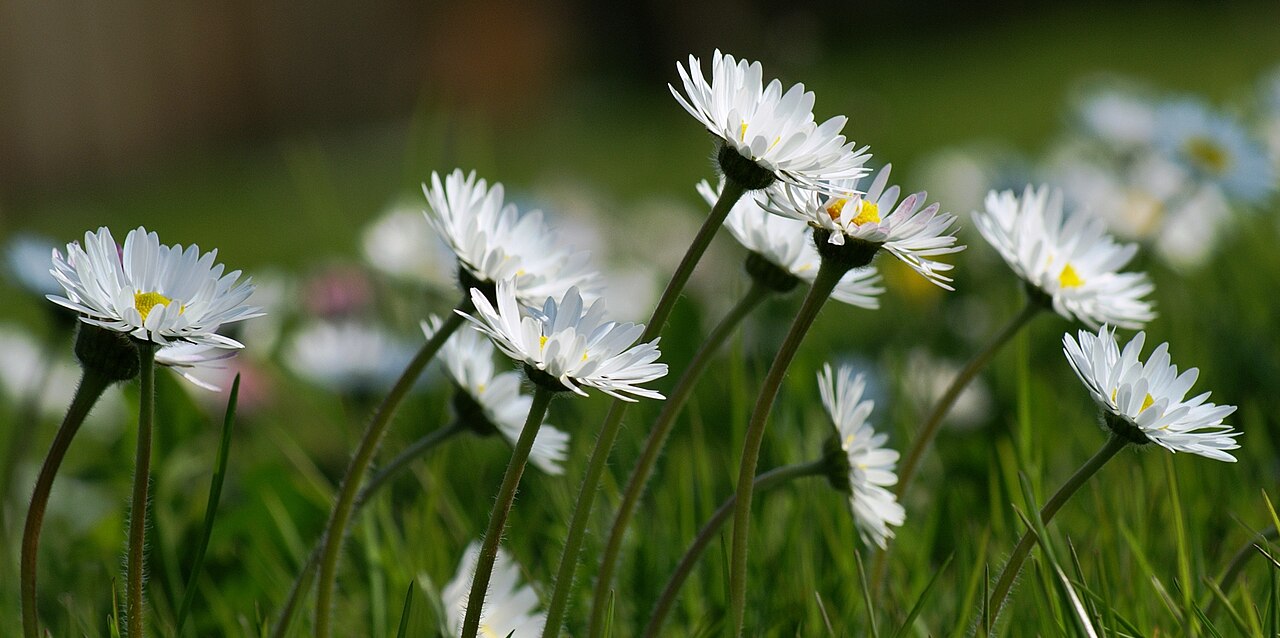
The amount of sunlight that an area gets will also affect the types of plants that grow in a given location. Areas with high-angle, intense sun develop thicker, shorter leaves to minimize water loss. These areas are also often areas of higher temperatures and drier conditions, which contribute to the types of plants that grow there naturally. Plants that grow in low-angle, dappled, or indirect light often have thinner, larger leaves to capture as much of the light as possible.

Using sun angle to help with garden design
Understanding the sun angle and light distribution in your garden is essential to good garden design. By observing the movement of the light and shaded patches in your garden over the course of the day and across the seasons, you will be better able to choose the best plants for the exposure you find in each part of the garden. You might even want to create a diagram of your garden to identify different areas of light exposure. You should match the plants’ light requirements (full sun, partial shade, full shade) to the appropriate areas you have.
In addition to determining where shaded and sunny areas are, you also need to consider the effects of trees, especially if they are deciduous and change over the course of the year. If you want to provide an area with more sunlight in your garden to produce crops like tomatoes, you may wish to consider some pruning of tree branches to provide more sunlight to those areas. You should also think about the impacts of taller garden plants on surrounding vegetation, so you should plant taller plants on the north side (in the Northern Hemisphere) so they do not shade shorter plants.

Protecting plants from too much sunlight
If your sunlight is too intense for some sun-sensitive crops like lettuce, you may be able to erect temporary shade structures to help protect them from the strongest sun. Farmers also use kaolin clay and similar products to help prevent sunburn in commercial plants by covering them with a white layer that reflects sunlight away and keeps the fruit cooler and less affected by strong sunlight. It can also help repel pests by creating a protective barrier on plant surfaces. You can tell if plants are getting too much light by observing leaf scorching (brown, crispy spots, especially on the edges), bleaching (leaves turning pale yellow or white), wilting, and stunted growth.
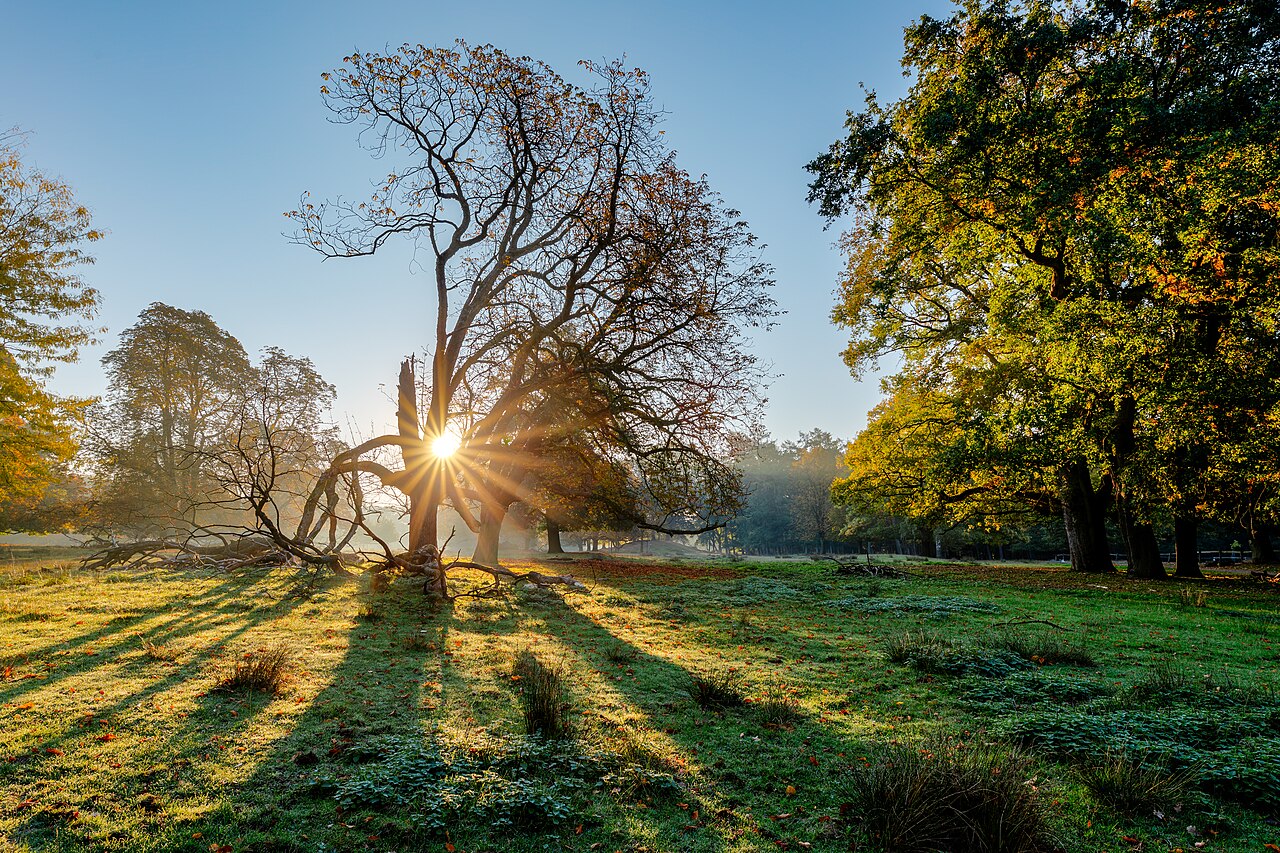
How sun affects gardeners
We all love the sun and our gardens need it to grow, but too much of a good thing can be hazardous to the health of gardeners as well as plants. Make sure that you wear sunscreen and use hats and clothing to help protect yourself from the harmful aspects of sunlight and you will be free to enjoy your garden without fear of skin cancer and health issues. Let the sun shine and let our gardens (and gardeners) grow strong!


Thank you for your posts! Can you get sunburned under a shirt that doesn’t have an spk rating?
You can – but it depends on the material it’s made from. The thicker and denser the fabric the less likely it is to let UV penetrate.