The Spooky and Spectacular World of Carnivorous Plants

As a lover of the weird and wonderful, October is one of my favorite months of the year, because of Spooky Season. To celebrate, I thought it would be fun to learn about some of the weird and wonderful plants around us, especially some of the most notorious: carnivorous plants.

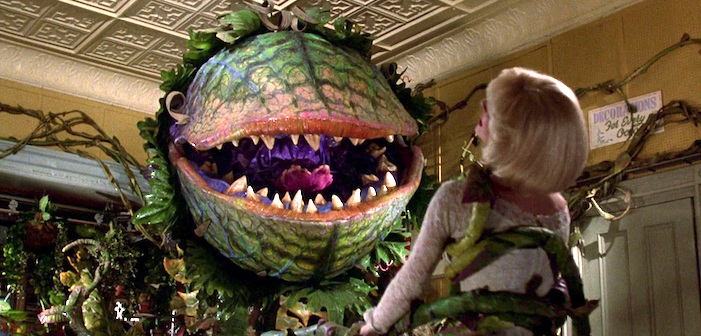
Little Shop of Horrors (Warner Bros.).

Whether you like to grow them, observe them in their natural habitats, or simply just learn about them, it’s easy to understand our collective fascination with carnivorous plants.… Continue reading this article “The Spooky and Spectacular World of Carnivorous Plants”

New study says that pollinators need more than a token corner of habitat

I wanted to share a new study that came out this week in the journal Science. We generally agree how important bees, butterflies, and other pollinators are, not only for our crops but for the health of ecosystems as a whole. Yet, despite decades of awareness, pollinator numbers continue to decline worldwide. Dr. Gabriella Bishop used a meta-data approach in this study to examine why pollinators are struggling. The study concluded that current conservation targets for habitat area are simply not large enough.… Continue reading this article “New study says that pollinators need more than a token corner of habitat”

How different types of precipitation affect your garden

In my household, the weather is a common subject of conversation. That is only partly because I am married to a meteorologist. In fact, I have noticed that I can talk to almost anyone about the weather, and I suspect you can too. Weather is most captivating when something interesting is occurring, like liquid falling from the sky. When I give talks to master gardener groups, they are almost always consumed with how the weather is affecting their gardens.… Continue reading this article “How different types of precipitation affect your garden”

Insect spotlight: the marigold fruit fly, Trupanea vicina

I thought it would be fun to periodically highlight some insects that are understudied or lesser-known. Today’s insect spotlight is on the marigold fruit fly, Trupanea vicina. If you grow marigolds in your garden, you might find this fruit fly or it’s larvae in your flowers. One of its most striking features is the bold, patterned wings that is has, I think the venation  almost resembles shattered glass. This is a fly in the tephritid fruit fly family, a large group of flies that often specialize on flowers and seeds.… Continue reading this article “Insect spotlight: the marigold fruit fly, Trupanea vicina”

Getting Ready for Fall: What do the long-range outlooks tell us?

The cooler weather that many parts of the eastern United States are experiencing this week is causing many gardeners to think about what this fall will be like. In fact, many farmers in Georgia are already planting fall crops, and I am sure that many gardeners are also busy with their own fall planting if they live in the Northern Hemisphere mid-latitudes. In this blog post we will discuss seasonal forecasts and how you can use them to plan and plant your garden.… Continue reading this article “Getting Ready for Fall: What do the long-range outlooks tell us?”

To Neem or Not to Neem, That Is the Question

by Hamutahl Cohen

You’ve probably seen Neem oil recommended in blogs, gardening forums, and on the shelf at your local gardening store. Neem is derived from the seeds of the Azadirachta indica tree, and is one type of horticultural oil that is used by gardeners looking for alternatives to synthetic insecticides. But is it effective? Is it benign? This post explores the pros and cons behind neem and other horticultural oils.


What Are Horticultural Oils?

Horticultural oils are either plant-based (like neem, canola, or clove oil) or mineral-based (refined petroleum products), and they work mostly by smothering soft-bodied pests like aphids, scale, and whiteflies.… Continue reading this article “To Neem or Not to Neem, That Is the Question”

Using clouds to predict the weather

Have you ever stopped while you were gardening to look at the clouds? Clouds, like flowers, come in a variety of shapes and sizes that can form beautiful patterns in the sky. But clouds are not just pretty, they can also be used to make predictions about the weather in the coming days. In this week’s post, we will look at the different types of clouds and how they relate to coming weather. You can use that to prepare for your garden work by knowing when it will be sunny and predicting when rain is coming.… Continue reading this article “Using clouds to predict the weather”

Bee Hotels: A Closer Look at Unintended Consequences

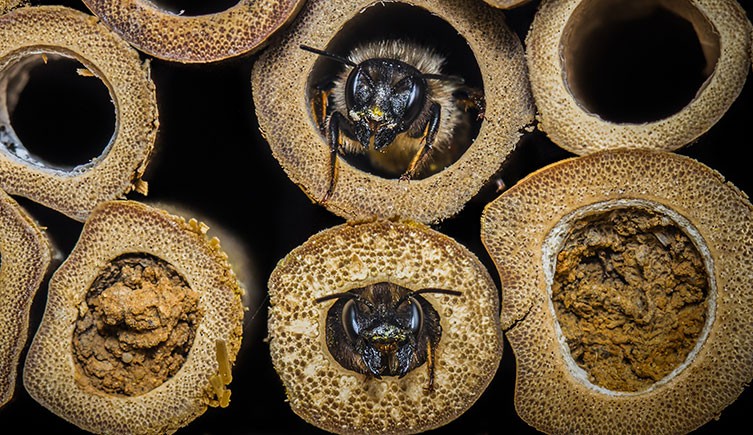
Bee hotels have become popular additions to gardens, designed to support wild bees by providing them with nesting sites. Solitary bees, unlike honey bees, live in natural and man-made cavities which can be easily provided with nesting habitats. A previously published Garden Professors blog offers valuable insights into creating artificial nesting structures for these bees, emphasizing the importance of proper design and placement. However, if you’re thinking about installing a bee hotel, I’d urge you to reconsider – some studies suggest that bee hotels, if not correctly maintained, can inadvertently harm the very pollinators they’re meant to help.​… Continue reading this article “Bee Hotels: A Closer Look at Unintended Consequences”

Fire and Ice: Why the East is baking while the West is freezing

If you’ve been paying attention to the weather across the United States this past week, you may have noticed that most of the eastern U. S. is experiencing extremely hot temperatures, especially when you factor in the effects of humidity. At the same time, in the western U. S., it has been snowing in the mountains, even though it is almost July! In this week’s blog post we will look at why this pattern of hot and cold conditions occurs so often and what is causing it.… Continue reading this article “Fire and Ice: Why the East is baking while the West is freezing”

Introducing Hamutahl Cohen: from bug-phobic to bug-lover

I wish I could say I grew up with an innate fascination for the insect world—that I was one of those kids who spent hours flipping over rocks to marvel at beetles and ants. But the truth is, growing up in urban Los Angeles, I rarely interacted with nature at all. And insects? I was terrified of them. I was the last person to volunteer for anything involving creepy crawlies.

That all changed in college. I enrolled in an introductory environmental science class, and one guest lecture changed the course of my life.… Continue reading this article “Introducing Hamutahl Cohen: from bug-phobic to bug-lover”