Do Organophosphates cause ADHD?

Ever since Monday’s post I’ve been preoccupied thinking about that article which was mentioned in the comments section by Daniel http://www.cnn.com/2010/HEALTH/05/17/pesticides.adhd/index.html?iref=allsearch . This article basically summarized a study that seemed to show that ADHD in children was related to exposure to organophosphate insecticides.

Articles like this appear all of the time in mainstream media and they scare the bejezus out of us because, after reading them, we end up thinking “Holy crap! We’re killing ourselves and ruining our society with these insane chemicals!”… Continue reading this article “Do Organophosphates cause ADHD?”
Veggie garden safety

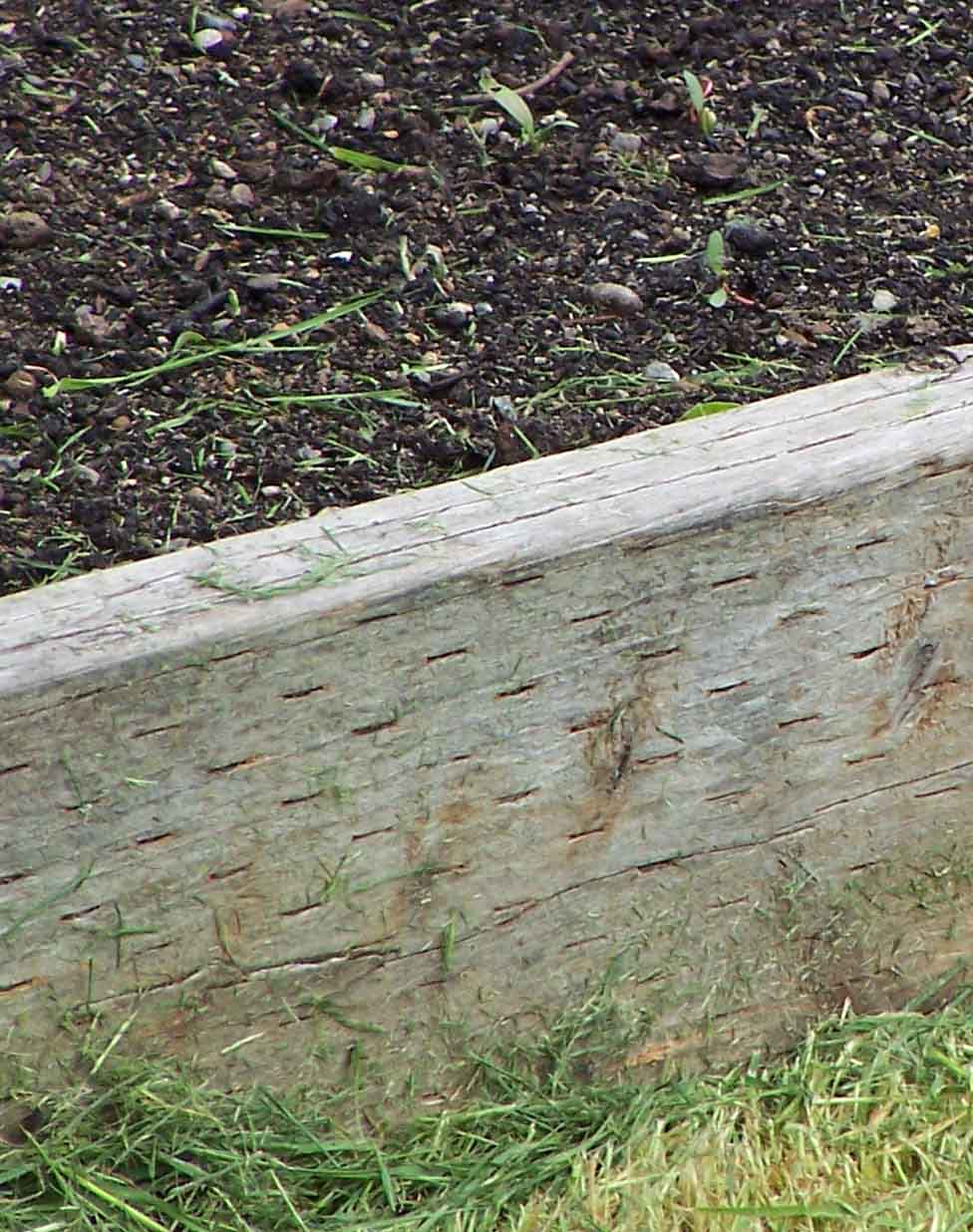
A few months ago I posted a caution about using old pressure-treated timbers for vegetable gardens (see my Sept. 23 posting).  I now routinely get questions about alternatives to these arsenic-laden materials, especially new treated lumber.  What’s in the new wood that makes it rot resistant, and is it dangerous?

Rather than arsenic, new pressure-treated lumber has copper as its active ingredient.  Though it also will leach out of the wood, there is not a human health hazard associated with its uptake by plants or animals. … Continue reading this article “Veggie garden safety”

Salt solutions

Hopefully everyone got their filling of turkey and dressing over the long Thanksgiving weekend.  I used our unusually mild weather on Saturday to celebrate a time-honored tradition around the Cregg farm: The annual cursing of the tangled Christmas lights.

Turning the calendar over to December in Michigan means another Midwest tradition is just around the corner as well: The annual dumping of the road salt.  Although totals vary, at least one source estimates that road crews pour 8 million tons of salt on roads in the US each year. … Continue reading this article “Salt solutions”

My Least Favorite Pesticide

People often ask me about the most dangerous pesticides — the ones which they should be careful to avoid.  There are lots to choose from:  Di-syston (aka disulfoton) is really bad.  Rotenone has some potential problems that make it scary, as does copper sulfate.  But for my money the worst thing out there is something that isn’t even supposed to be used as a pesticide (at least not anymore) but which finds its way into our gardens thanks to recommendations from people like Jerry Baker:  Tobacco.… Continue reading this article “My Least Favorite Pesticide”

Rubber mulch rubs me the wrong way

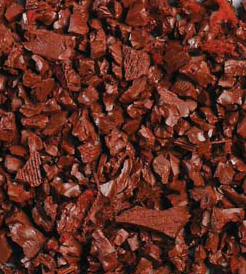
I’ve been receiving a lot of questions about rubber mulch lately.  For those of you not familiar with the product, it consists of shredded tires that can be dyed and used on ornamental landscapes or under playground equipment.  In fact, the Obamas had this material installed underneath their children’s play structure at the White House.  It seems an ideal way to recycle the 290 million scrap tires we generate annually.


But is it?

It’s not effective:  One of the main reasons we use mulch is to suppress weeds. … Continue reading this article “Rubber mulch rubs me the wrong way”

Eat your veggies! (But not the arsenic, or the chromium, or the lead…)

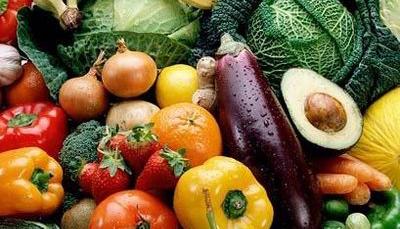
vegetables_jpg.jpgThe last few years have been a perfect storm for the resurgence of home vegetable (and fruit) gardens.  Grapevines are trellised along sidewalks, herbs replace the grass in parking strips, and tiny gardens of carrots and lettuce are shoehorned into any available spot.  It’s all good  – but we need to be particularly careful about what those plant roots might be taking up along with nutrients and water.

urban%20soil_jpg.jpg

1)  Contaminated soil.  Many urban (and suburban, and even rural) soils are contaminated with heavy metals, pesticides, and/or industrial wastes. … Continue reading this article “Eat your veggies! (But not the arsenic, or the chromium, or the lead…)”