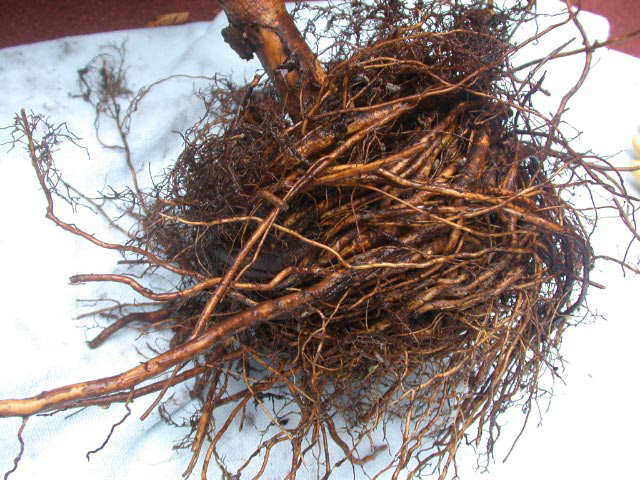
I’m frequently asked to give seminars on selecting healthy plants at the nursery, especially trees and shrubs which can run hundreds of dollars. (Nobody seems to want a seminar on how to pick out a flat of petunias.) I routinely visit nurseries with my camera so I can record examples of good and not-so-good choices. What better forum to share these than on our blog? I’m also curious whether the problems we see in the Pacific NW are found elsewhere in the country, or in the world for that matter. … Continue reading this article “Inspecting nursery plants, part 1”
Category: What About the Trees
Something Scary!
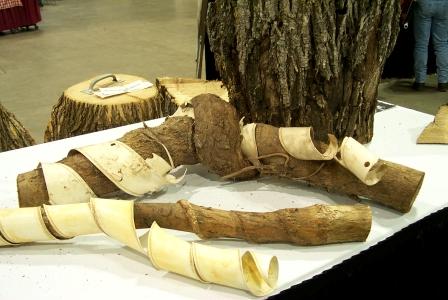
It’s almost Halloween! How about a scary picture….I think I’ll call this one revenge of the mummies (Thanks to Dave Hansen for this picture).
Graft and corruption
It’s election season – but that’s not why I’m doing a blog on “graft and corruption.” Instead, let me back up and explain that today I gave a seminar on diagnosing urban tree death. One of my points to the group was the importance of knowing the history of a site – what species were selected, how trees were planted, whether there had been any major construction activity, etc. I thought I’d continue the importance of site history into today’s posting.… Continue reading this article “Graft and corruption”
Should I boycott cypress mulch?
It’s hard to think of mulch as a controversial topic but, as with most things these days, we find people on both sides of an issue. And, as with most things these days, some of opinions are based on substance, others are not. In the southern U.S. some environmental groups are advocating a boycott of cypress mulch.
Cypress mulch is derived from baldcypress and pond cypress, which grow in ecologically sensitive wetlands in the Southeast. Cypress wood is highly valued for is natural decay resistance. … Continue reading this article “Should I boycott cypress mulch?”
Epicormic mystery solved!
Good morning (at least it is in my time zone)! And welcome to those of you who found us through Blotanical or another blog site. We love seeing the increased participation on our blog.
Since I am a teacher at heart, I was glad to see so much thoughtful discussion over the weekend. Many of you suggested that pruning for vehicular traffic was the trigger for this growth, and it’s true that removing large limbs or heading back branches will result in vigorous epicormic growth. … Continue reading this article “Epicormic mystery solved!”
Building a better tree? Not in the long run!
One of the landscape tree production practices that drives me absolutely nuts is heading back trees in the nursery to create “columnar” specimens. It’s easy to find examples of these in Washington state nurseries, like the pathetic oak shown below:
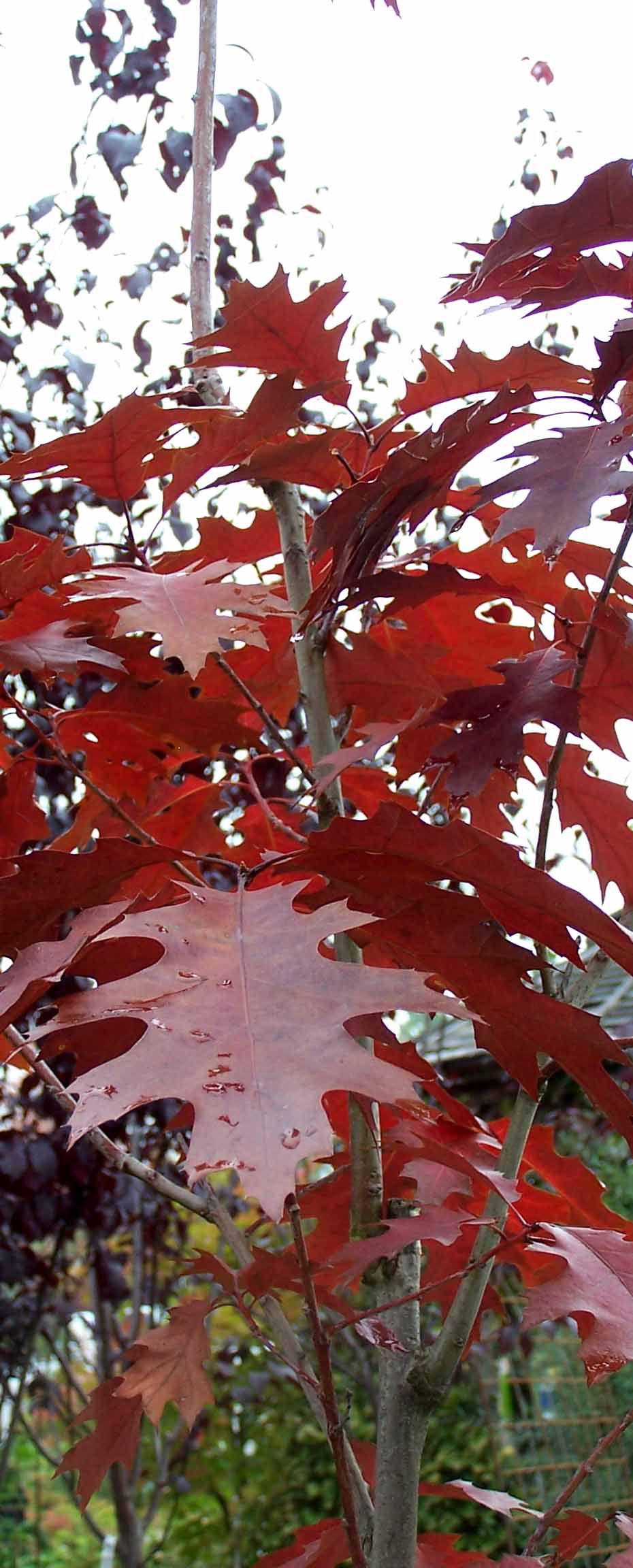
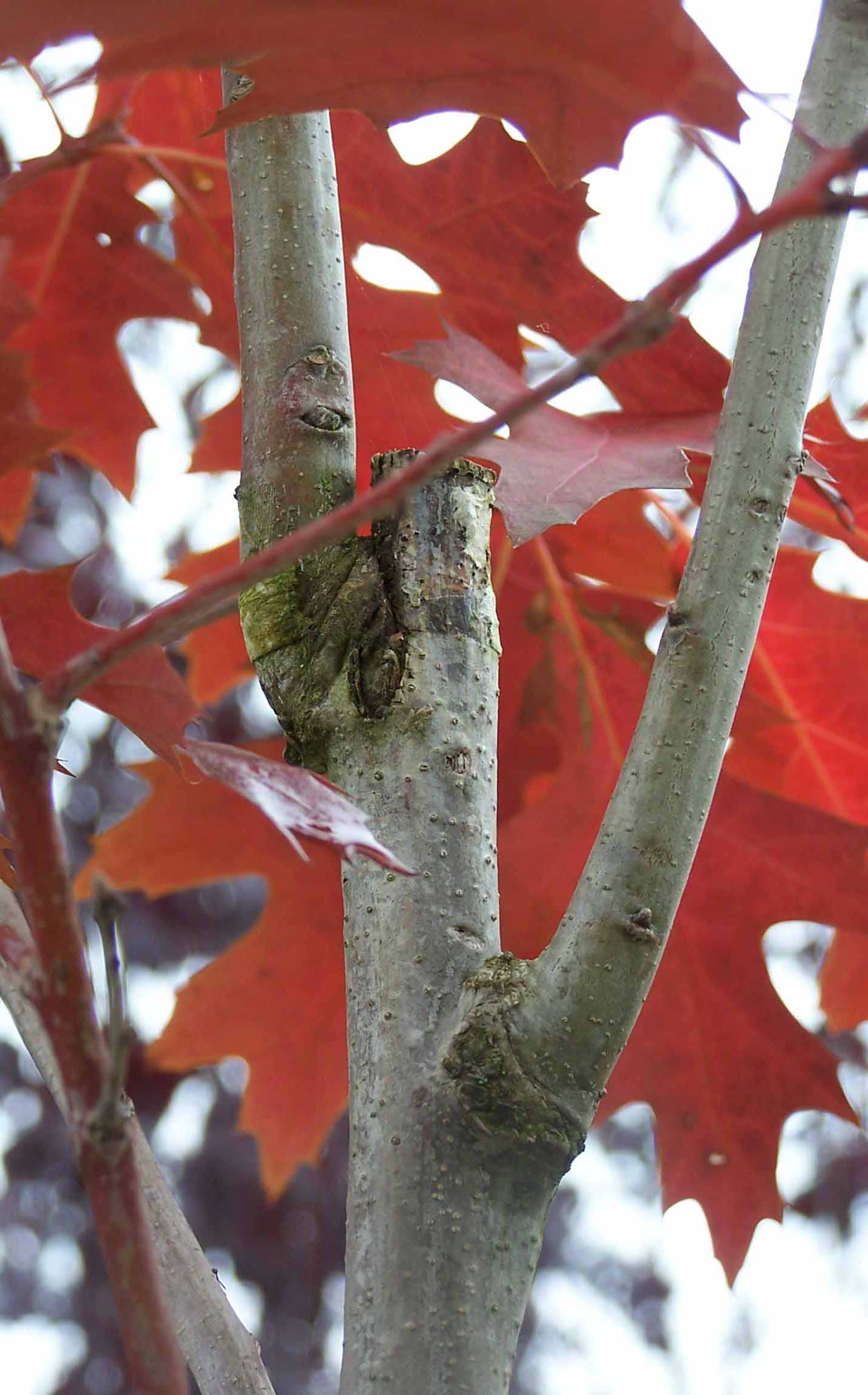
Aesthetics aside, let’s focus on how the tree responds to heading back. The removal of the dominant leader encourages lateral branches below to become more upright; from these laterals, a new leader is selected. This new upright growth habit is highly prized by many landscape architects and urban planners, as such trees fit more neatly into small urban spaces without interfering with vehicle and pedestrian traffic. … Continue reading this article “Building a better tree? Not in the long run!”
Shoot your favorite ash
One of the biggest issues facing urban and community forestry in the eastern half of North America is the Emerald Ash Borer (EAB). As most people are aware, EAB was accidentally introduced in Michigan some time in the late 1990’s. By 2002 when the insect was found and identified, thousands of ash trees in and around Detroit were dead or dying. Since then the insect has continued to spread, partly by natural dispersal but also by hitchhiking on logs and firewood.… Continue reading this article “Shoot your favorite ash”
Take it all off (cue bow-chicka-bow-bow music)
OK, I know there are skeptics out there including many of my dear colleagues. Though it seems that at least some of my photos are making an impression. So here is another little photo tour through bare-rooting – this time with a bigger tree.
This demonstration was given at the 2006 ISA conference in Washington. This is a good sized tree…
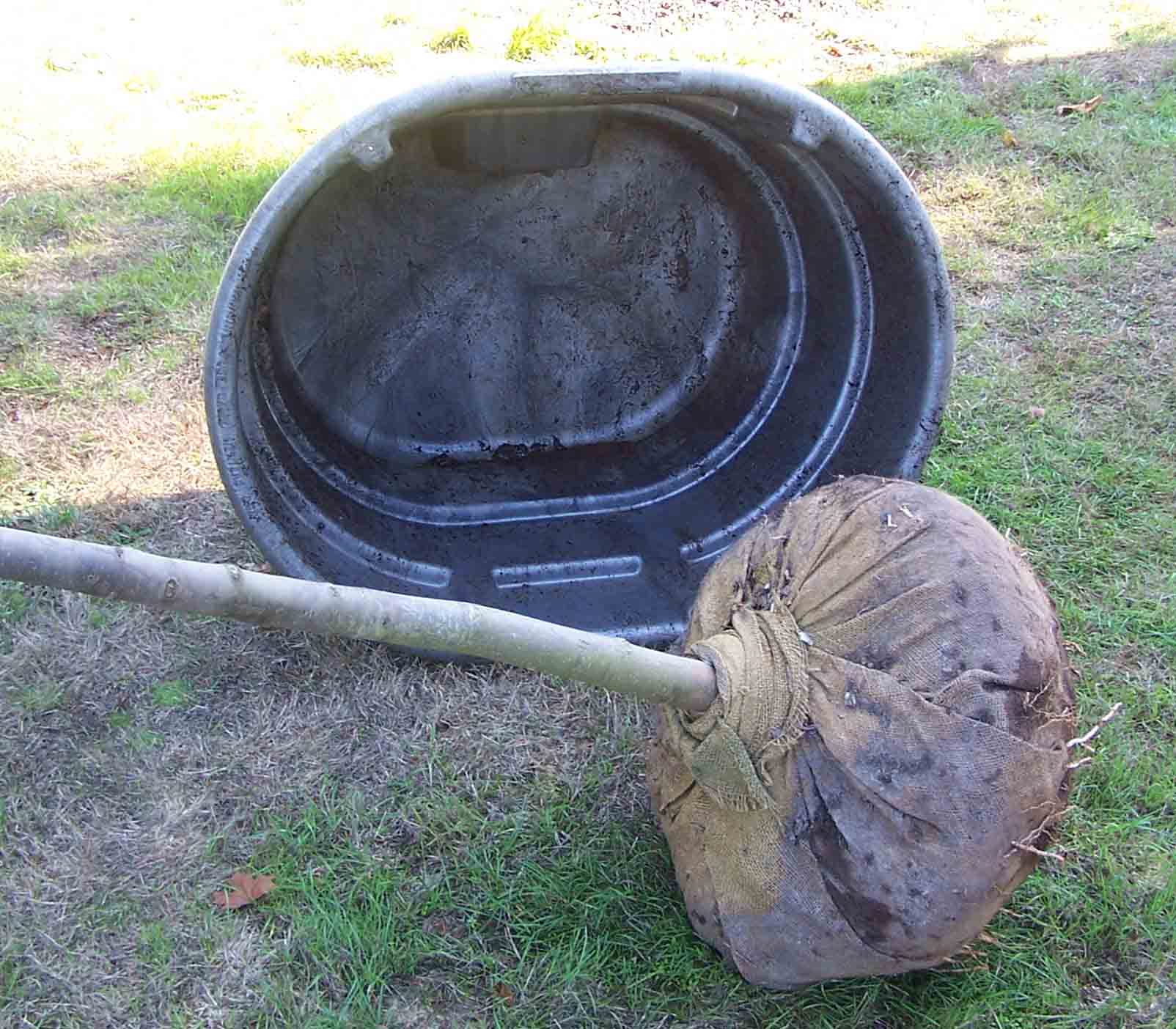
…that we plopped into a Rubbermaid watering trough after removing the burlap…
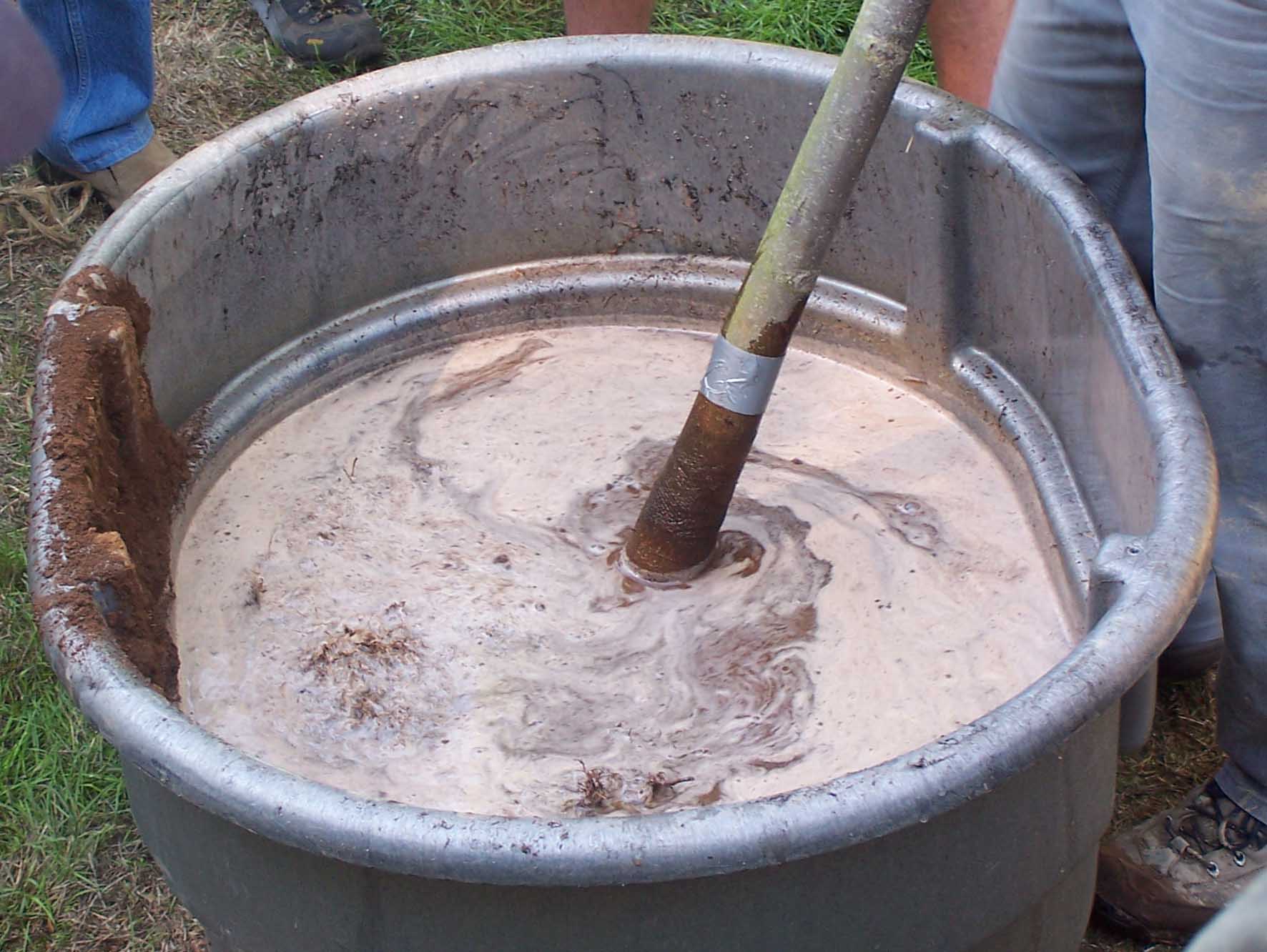
…and washed off all the clay. … Continue reading this article “Take it all off (cue bow-chicka-bow-bow music)”
Health care reform (of trees)
Nothing is more frustrating to a gardener than watching a newly installed tree or shrub slowly die. In performing “post mortem” analyses on failed landscape plantings, I’ve identified four common errors that can be easily avoided:
- inadequate root preparation
- improper soil preparation
- planting below grade
- inadequate aftercare
This blog entry will be dedicated to the first point – but before I do so, we need to understand how nursery plant production has changed over the last several decades.… Continue reading this article “Health care reform (of trees)”
More fodder for the great root debate
Unfortunately I can’t put this into the comment thread for Jeff’s post since it involves a link. Bonnie Appleton sent her 2007 American Nurseryman article on root washing that readers might find interesting. Thanks, Bonnie!
Can’t resist…must add photo…