Invasives! Natives! No, wait, biodynamics

Just had to get your attention there.  We’ve had a great discussion over native and nonnative plants over the last few weeks.  I’m going to completely switch gears and move on to another topic  – biodynamics.

If you’re not familiar with this term, let me refer you to my online column here.  Biodynamics is a set of agricultural practices based on a belief system, not science, but is an increasingly popular approach, especially in the wine industry. … Continue reading this article “Invasives! Natives! No, wait, biodynamics”
Pop Quiz!

Bet you weren’t expecting this on TUESDAY, eh?
Heh, heh.

Situation:  these photos are from a grad student project.  We wanted to create, observe, and record nutrient deficiency symptoms, so we grew the plants hydroponically in a made-from-scratch nutrient solution, containing everything except one particular nutrient. There were 12 separate batches of solution, one missing each essential mineral nutrient (N,P, K, Ca, Mg, S, Fe, Mn, Cu, B, Mo, Zn – couldn’t exclude Cl as it’s too common in salts). … Continue reading this article “Pop Quiz!”

A thought about Invasive Plants

Recently there was an article published in the journal Science (widely considered one of the most prestigious science journals in the world) by two professors who I knew while I attended college in Pennsylvania (Franklin and Marshall College — Anyone ever heard of it?).  I found this article particularly interesting because it explained how the beautiful Pennsylvania scenery that we assume is natural was actually created over the course of three hundred years.  Saw mills and dams changed water flow patterns — those pretty streams that flow through the Southeastern PA (and nearby areas) that I grew up in aren’t natural at all.… Continue reading this article “A thought about Invasive Plants”

Friday puzzle solved!

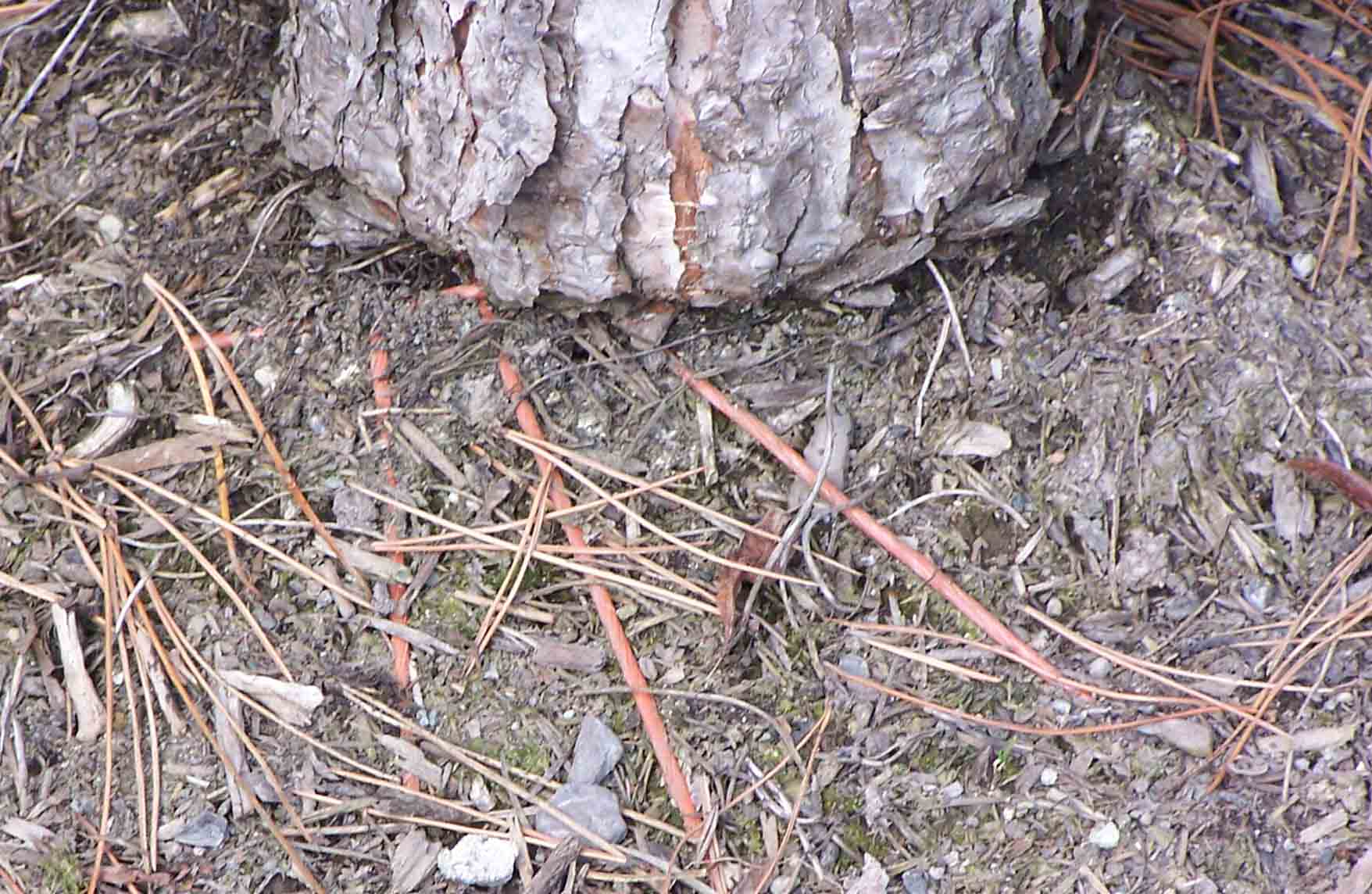
Great discussion over the weekend, with some very astute observations.  If you looked at the brown needles under the tree in Friday’s picture, you may have noticed that some of them weren’t needles:

Not only was this tree planted too deeply, as several of you pointed out, but the burlap and twine were left intact.  It appears the nylon twine has already started to girdle the trunk, based on the trunk swelling just above where the twine is wrapped.… Continue reading this article “Friday puzzle solved!”

Friday fun!

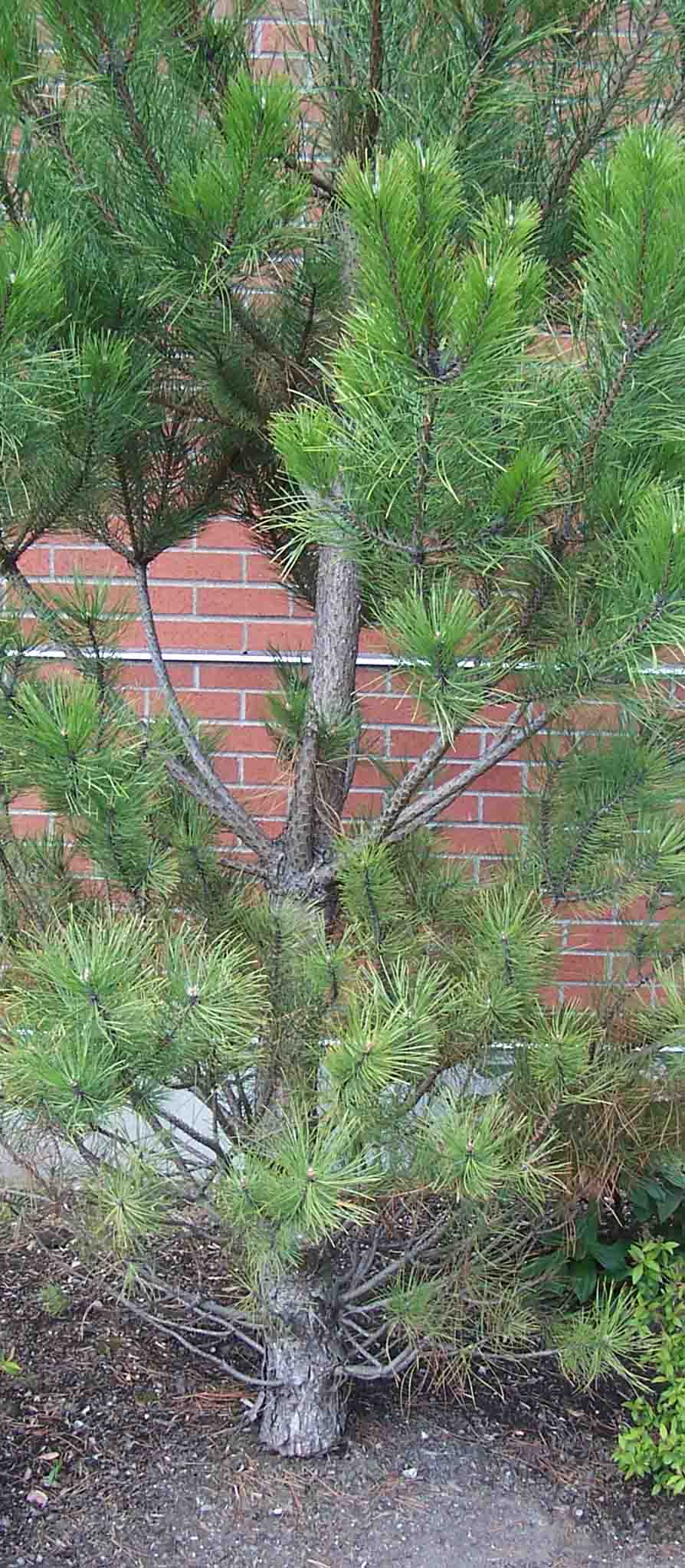
It’s the holidays, but this pine tree is feeling anything but merry.  It was installed about a year ago.  While the upper foliage looks lush and green, the lower branches have no new needles and in fact the current needles are dropping:

This is a two part question:

1)  What might be directly responsible for the needle decline on the lower branches?  (Hint:  this is caused by the plant itself.)

2)  What might be the underlying stress causing the needle decline? … Continue reading this article “Friday fun!”

Salt solutions

Hopefully everyone got their filling of turkey and dressing over the long Thanksgiving weekend.  I used our unusually mild weather on Saturday to celebrate a time-honored tradition around the Cregg farm: The annual cursing of the tangled Christmas lights.

Turning the calendar over to December in Michigan means another Midwest tradition is just around the corner as well: The annual dumping of the road salt.  Although totals vary, at least one source estimates that road crews pour 8 million tons of salt on roads in the US each year. … Continue reading this article “Salt solutions”

Friday puzzle answers!

Good speculation on the rhododendron leaf damage!  Jim in Wisconsin zoomed right in on the causes:  the first photo was taken on a year where we had an unseasonable freeze right as leaves were expanding, and the second was taken on a year where we had unseasonably hot weather as leaves were expanding.

In both cases, the ultimate cause of damage is lack of water in rapidly expanding tissues.  Once dormancy is broken, leaf and flower buds are highly sensitive to environmental extremes – they are expanding and are most sensitive to anything that interferes with water content.… Continue reading this article “Friday puzzle answers!”

Post-turkey puzzler

I hope everyone had a great holiday yesterday!  Since I am NOT a shopper, I’m avoiding “Black Friday” and posting another puzzle instead.

Consider this photo:

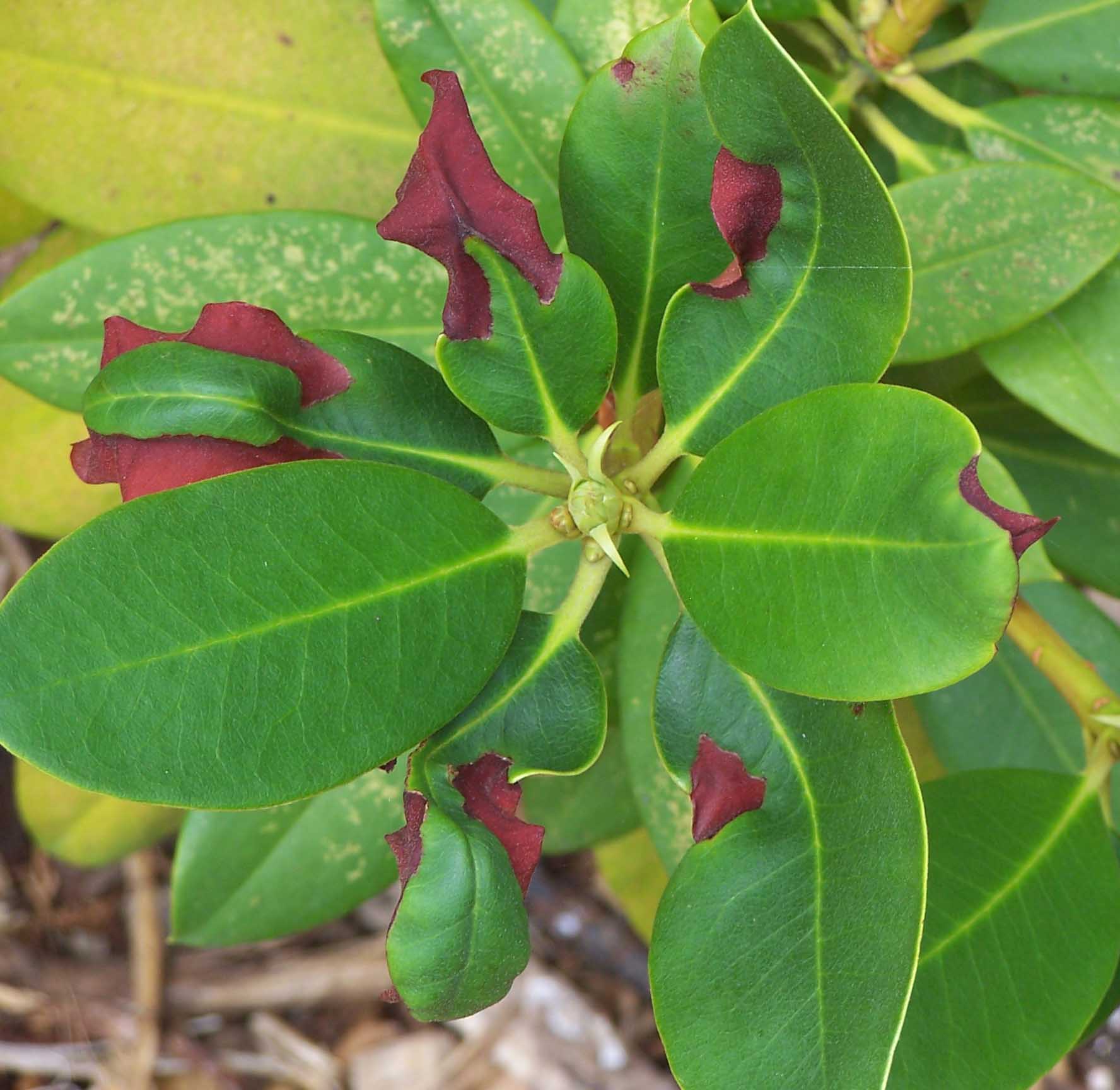
This is a rhododendron in my own landscape.  The photo was taken in July, though the damage on these new leaves occurred earlier than that.  In Seattle, rhododendron leaf bud break generally occurs in April.

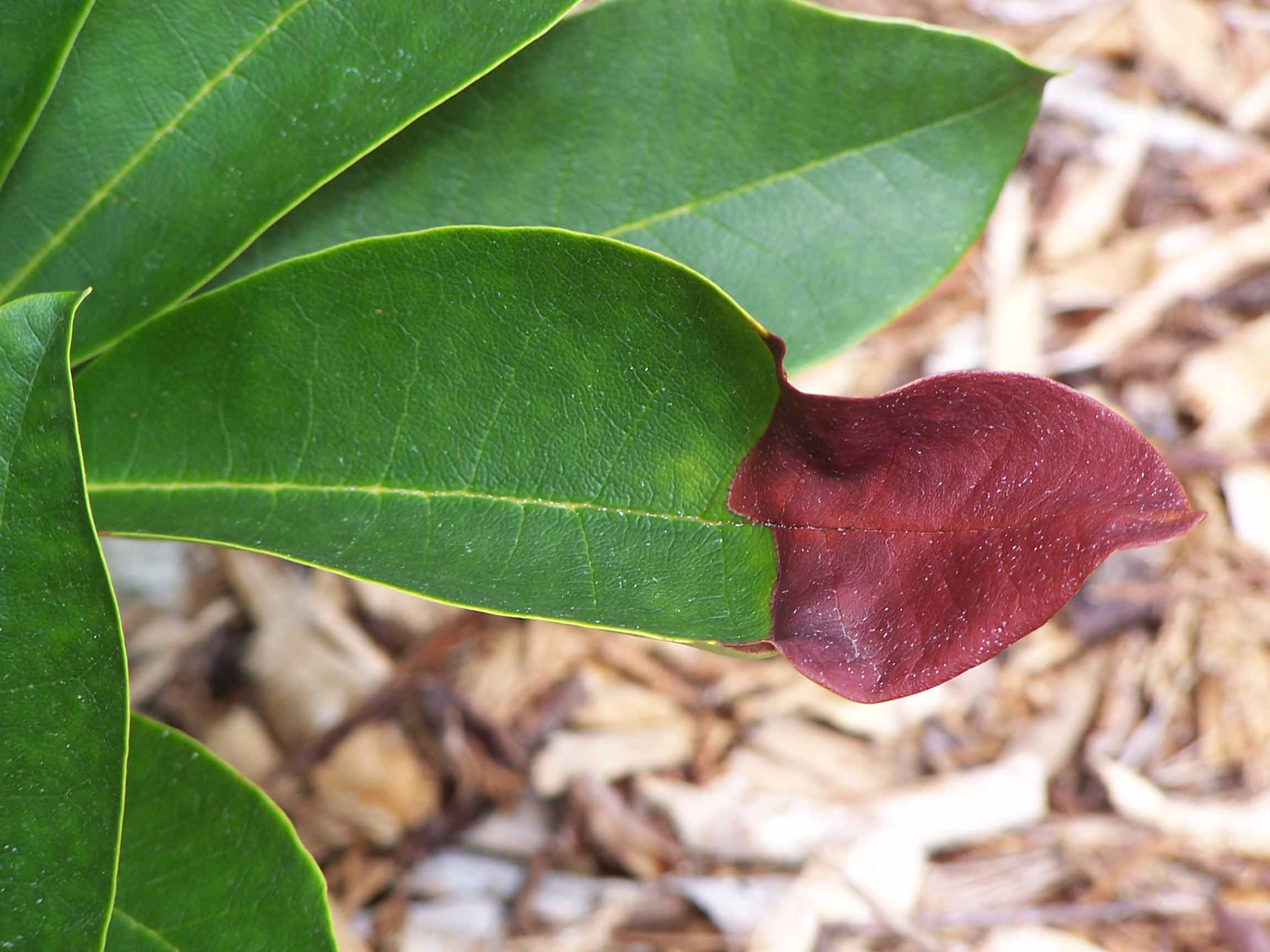
Now consider this problem.  Same plant, different year – and actually a different problem!

So what caused this damage?… Continue reading this article “Post-turkey puzzler”

Advice Requested!

Greetings, all!

I am not a tree-care expert, having invested most of my mental capital into herbaceous plant stuff.  But I know enough to be dangerous: spiraling/strangling roots and narrow crotch angles are bad news. But at what point do they become “unfixable”? So I’m asking my illustrious colleagues and diligent readers (a.k.a “all y’all) for advice.

We have a lovely specimen in our campus Horticulture Garden…Acer ‘White Tigress’ – a hybrid between A. davidii and A.Continue reading this article “Advice Requested!”

Friday puzzler revealed!

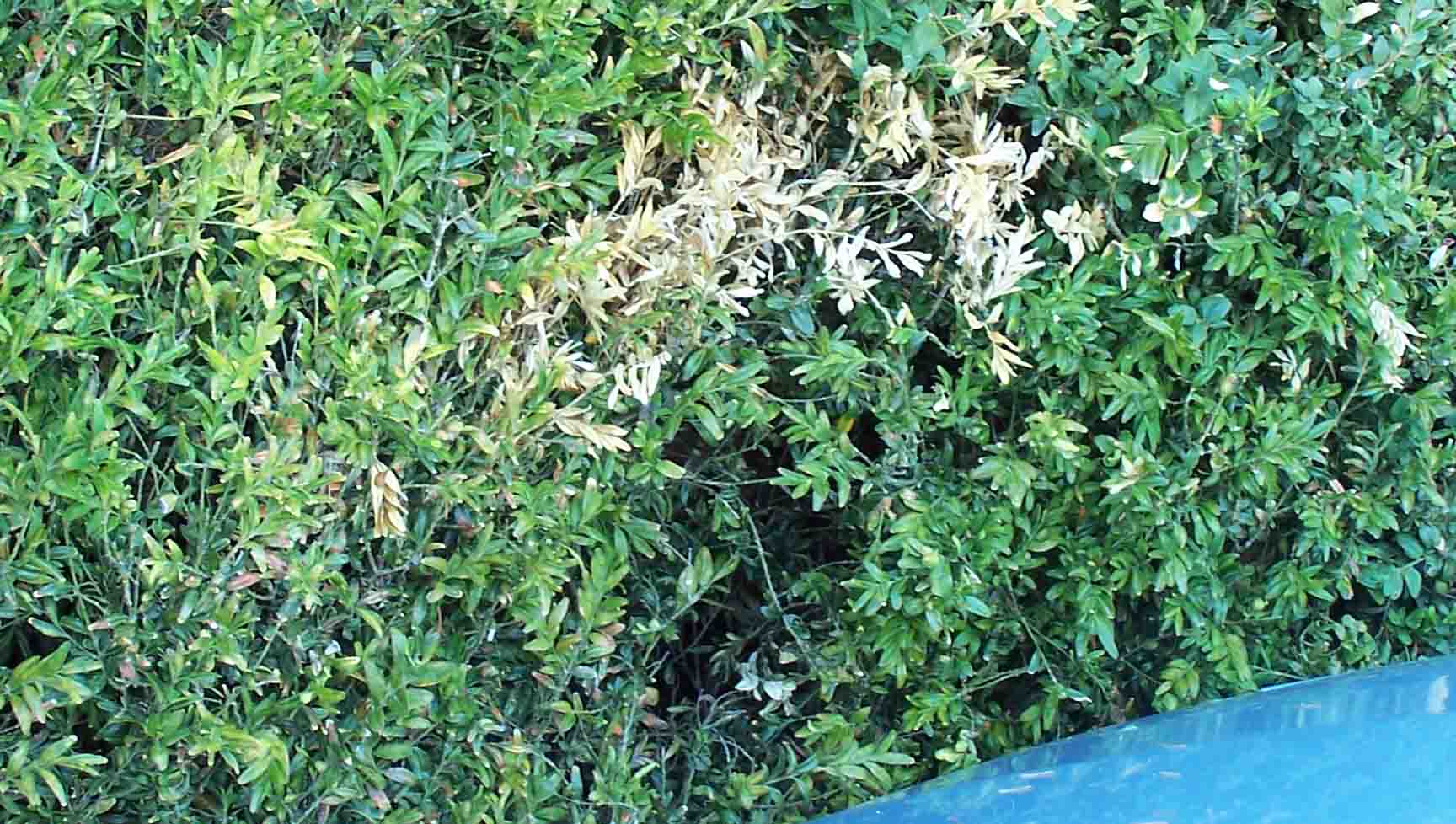
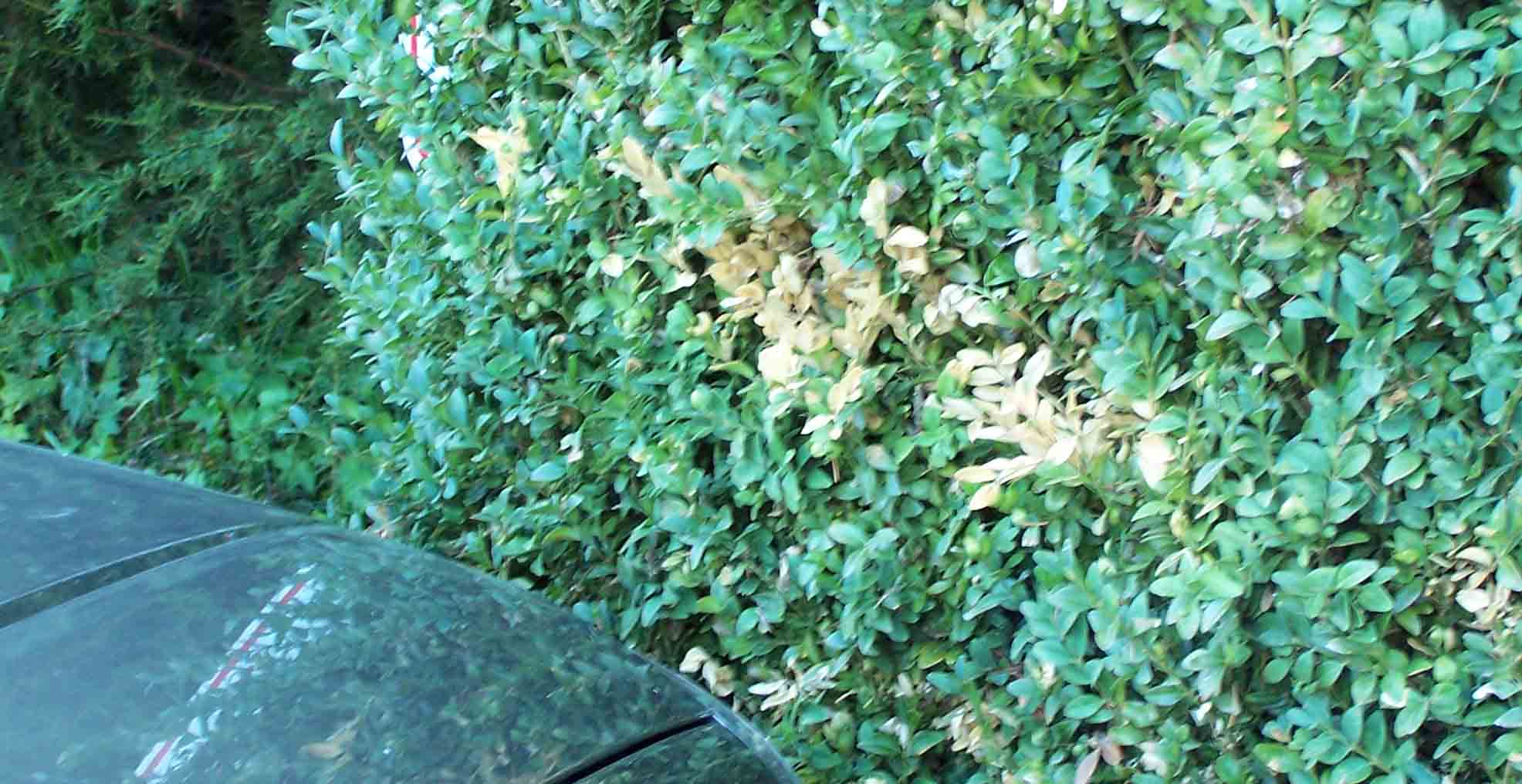
Lots of discussion about the mysterious white streaking on the hedge.  The pictures below show a little more detail than those on Friday:

As you can see, Jimbo was on the right track when he suggested the hedge might be near a parking lot.  But it’s the heat escaping from the engine compartments that’s been causing the damage. 

(I am now committed to find some good photos of urine damage by dogs, donkeys, or drunken frat boys!)