What the words on the seed packet or food label mean…

This article was originally published (surprisingly?) by the Mother Earth News Blog.

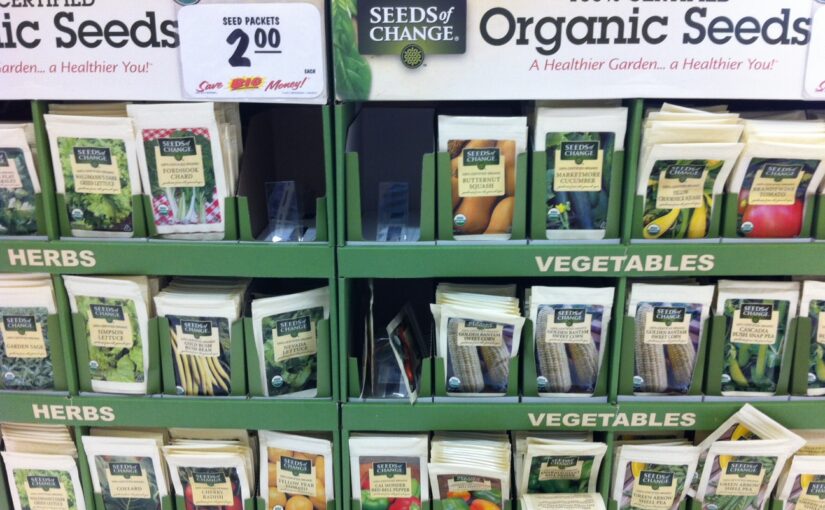
What do the words on your food (or garden supplies) labels mean? Do you know the difference between organic, natural, and sustainable? Are there rules about who can use which labels? When you are shopping at the farmers market or grocery store, or when you’re buying seeds or plants at the garden center, it is important to know what the words used to describe the product mean.… Continue reading this article “What the words on the seed packet or food label mean…”
Fair Judgement: garden lessons from a fair (and crop trial) judge

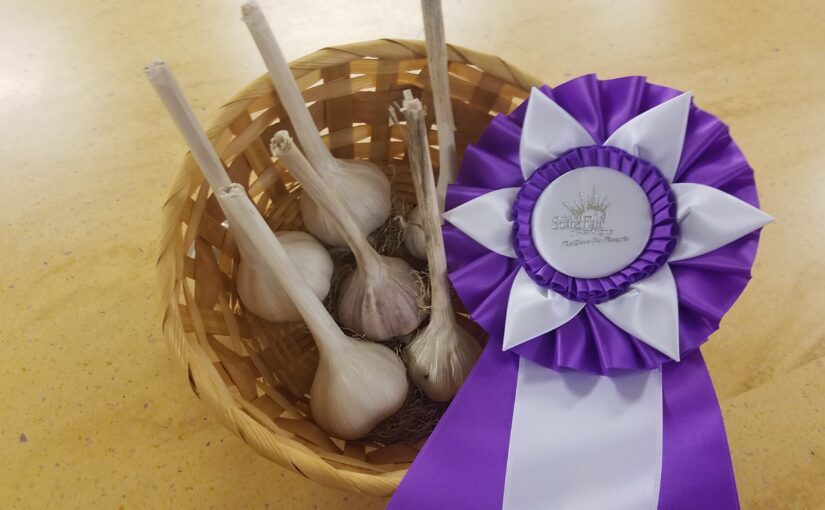
I love a fair! Which is a good thing since I find myself at a lot of them as an extension professional.  It seems like fairs attract extension folks like honey attracts flies.  We’re always involved in the 4-H activities – the livestock, project displays, and contests.  Sometimes we pop up other places as well.  The one thing that I get asked to do multiple times each summer is act as a judge for horticultural entries. … Continue reading this article “Fair Judgement: garden lessons from a fair (and crop trial) judge”

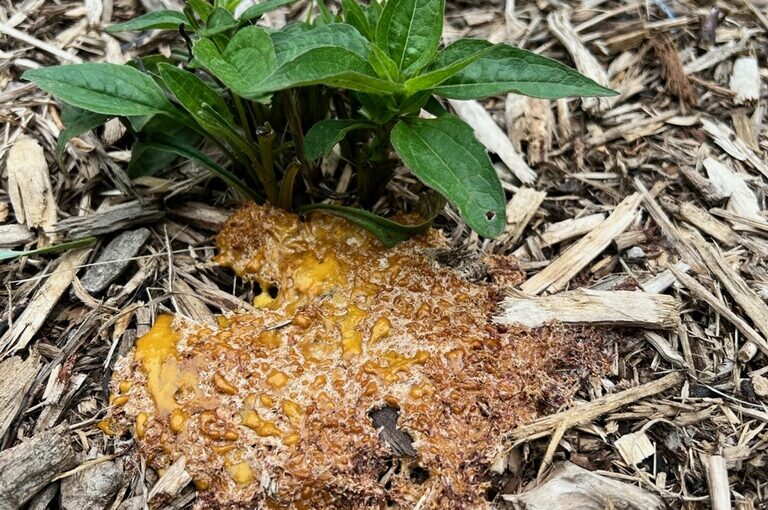
Barf! An ode to the fascinating life of slime mold

It may seem odd to sing the praises of a weird, sometimes gross, looking phenomenon that sometimes freaks gardeners out, but every summer I love educating gardeners about the fascinating lives of slime molds. Here in Nebraska we often get calls about “this weird thing that’s all over my mulch” after a rainy period in the summer and whether or not it will 1) hurt their plants, 2) poison them, or 3) some other horrible outcome they’ve dreamed up.… Continue reading this article “Barf! An ode to the fascinating life of slime mold”

Haul out the Holly…and a cactus…and a parasite: A review of holiday plants and their traditions

Auntie Mame was on to something when she told her orphaned nephew Patrick to “Haul out the Holly, Put up the Tree Before My Spirit Falls Again” (I just sang this in a concert with my community chorus.  I’ve been hauling out the holly since August, so I’m done.) 

Plants play a big part in our holiday traditions this time of year.  When it comes to decorating for the holidays, needless to say I prefer a simpler, natural approach.… Continue reading this article “Haul out the Holly…and a cactus…and a parasite: A review of holiday plants and their traditions”

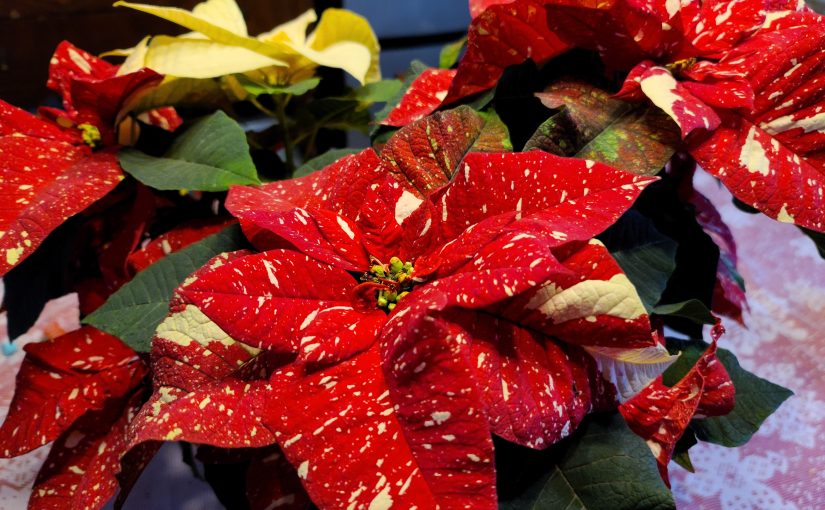
Poinsettias: from ditch weed to holiday super star (history, lore, and how to get those d@!% things to rebloom next year)

The holiday season creeps earlier and earlier each year, at least here in the US. Decorations, trinkets, and more start filling store shelves before summer is even over. But some holiday traditions can’t be rushed, like live holiday plants. Many of these picky plants have to be bought and cared for closer to the holidays, else they likely won’t look so festive once the holiday finally arrives. Since the origins of many of the holiday traditions are pagan and druid in nature, it stands to reason that plants are a major theme for the holidays.… Continue reading this article “Poinsettias: from ditch weed to holiday super star (history, lore, and how to get those d@!% things to rebloom next year)”

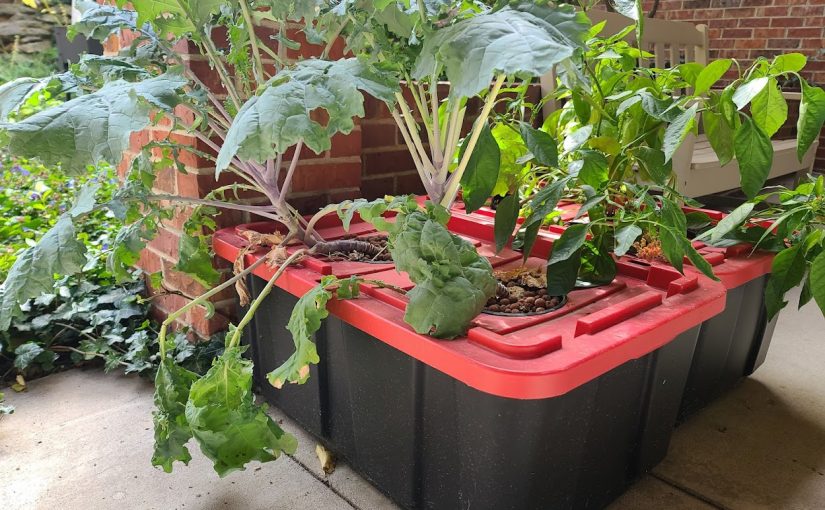
A Super Simple Salad in Stor(age): A DIY Home Hydroponics Example

Say the word “hydroponics” or the even more mysterious sounding “controlled environment agriculture” and the image that most people conjure in their minds is of large greenhouses or artificially lit rooms filled with complex hoses and tubes using all manner of technological gizmos to pump water and nutrients to plants.  True, modern ag technology does allow for some pretty amazing and technical production of food but hydroponics can be super simple and so easy that just about any home gardener can do it. … Continue reading this article “A Super Simple Salad in Stor(age): A DIY Home Hydroponics Example”

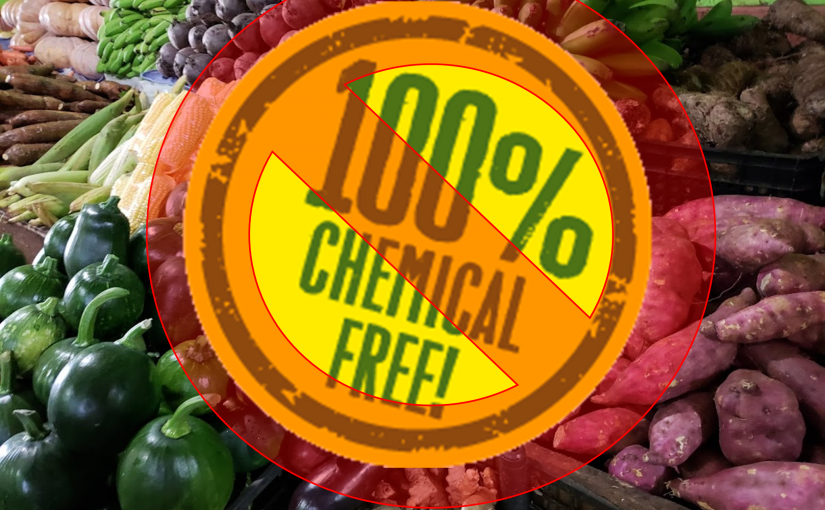
Everything is chemicals: the myth and fear of “chemical-free” gardening

“Chemical-free” – a term I’ve seen several times attributed to many products, especially food and produce at farmers markets and even in gardening circles these days.  This term is often misused to describe plants grown without the use of any pesticide, either conventional or organic. I have my thoughts that I’ll share later on that subject but first let’s talk about this “chemical-free” that gardeners, farmers, and others use and why its not only a myth, but a dangerous one at that.… Continue reading this article “Everything is chemicals: the myth and fear of “chemical-free” gardening”

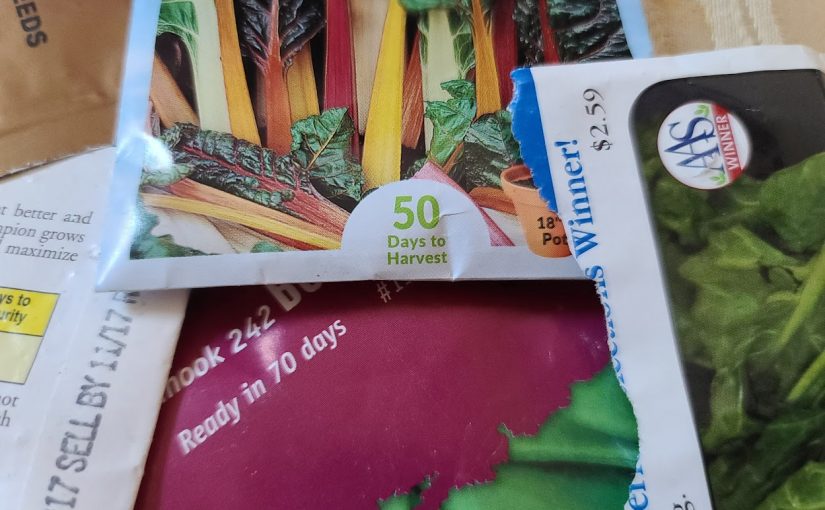
Counting the Days to Maturity: Calculating planting dates for fall vegetables

While most of the US is still seeing sweltering hot temps, the cool temps of fall and winter aren’t really all that far away for those of us unlucky (or lucky) enough to not live in a tropical climate.  The tomatoes, peppers, cucumbers, and other warm-season crops planted back at the beginning of summer are still puttering along, even if they might be getting a little long in the tooth and starting to look a little worse for wear ( especially if disease has ravaged them). … Continue reading this article “Counting the Days to Maturity: Calculating planting dates for fall vegetables”

Water: Garden Friend….and Foe? – Water, Relative Humidity, and Plant Diseases

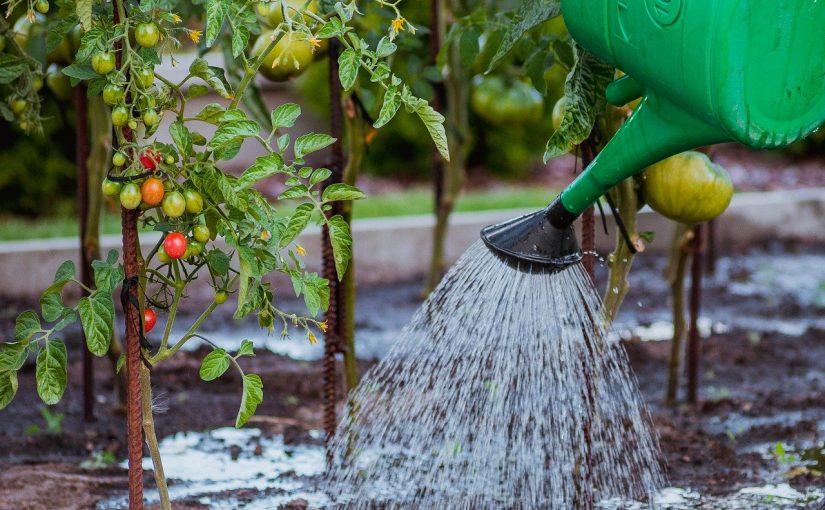
We all know that water is essential for life and that we have to ensure our landscapes, gardens, and houseplants all have a sufficient supply of the stuff.  Forget to water your garden during a hot, dry spell and it could mean disaster for your plants.  But water can also create issues for plants, usually when it is in an overabundance – water helps spread and develop diseases on foliage and excess soil moisture can damage roots, creating opportunities for root rots and other diseases. … Continue reading this article “Water: Garden Friend….and Foe? – Water, Relative Humidity, and Plant Diseases”

Catch my Drift? Herbicide Drift, Curling Tomato Leaves, and Food Safety

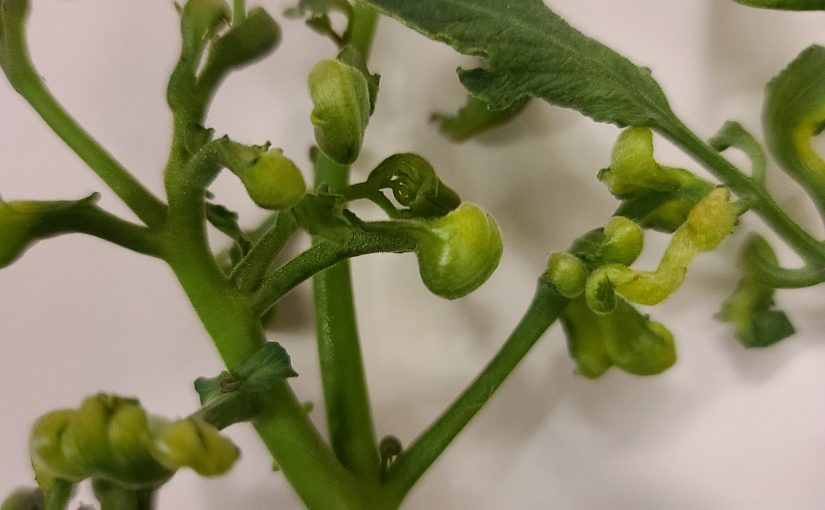
There’s all kinds of maladies that can strike your garden plants throughout the season- diseases, insects, negligence, and more.  But one common issue we are seeing more and more here in the corn belt and other places with lots of crop production is herbicide drift.  Of course, you don’t have to have a corn or soy field nearby to have issues with drift – it can happen anywhere and anytime an herbicide is applied and proper precautions aren’t taken, even when you or a neighbor are just treating a small area in the yard. … Continue reading this article “Catch my Drift? Herbicide Drift, Curling Tomato Leaves, and Food Safety”