Garden Logic – understanding correlation and causation in our gardens and landscapes

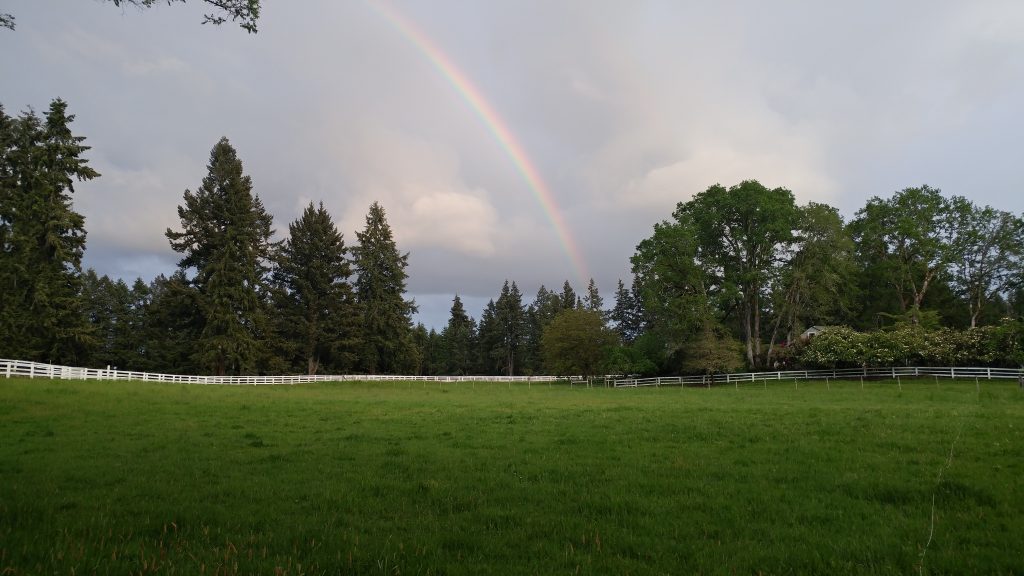
This home landscape is managed using science-based methods; the only routine additions are water and arborist chip mulches.

Upon reading this post’s title, you may be inclined to stop right there. (That’s why I have an eye-catching photo to lure you in.) While logic may seem irrelevant to your enjoyment of gardening, I can guarantee that reading this blog post will challenge many seemingly logical assumptions you’ve heard or read about. Recognizing unsubstantiated assumptions and avoiding their pitfalls means you can make wise choices about how you care for your gardens and landscapes.… Continue reading this article “Garden Logic – understanding correlation and causation in our gardens and landscapes”
Backyard biocontrol – using natural enemies to wipe out invasive weeds

The agricultural-residential interface

Four years ago we moved to the family farm (where I grew up) and we’ve enjoyed restoring the 1 acre landscape around the farmhouse. Given that the residential part of this farm is surrounded by pastureland, there is a continual influx of weed seeds into our managed beds. While our thick applications of arborist wood chips have kept out many weeds, they still pop up where mulch hasn’t been applied yet or is too thin.… Continue reading this article “Backyard biocontrol – using natural enemies to wipe out invasive weeds”

Mycorrhizae: “If you build it, they will come”

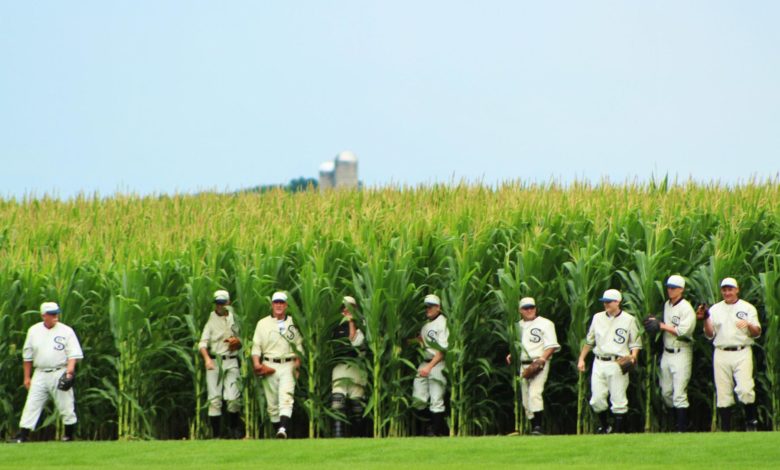
“Field of Dreams”

The movie “Field of Dreams” is a family favorite – we love how baseball and the supernatural are interwoven to create a great story. If you haven’t seen the movie, you should – and for those of you that have, you know why it was important for Ray to build the baseball field. Like the magic that unfolded once that physical space was provided, botanical magic emerges from garden soils that support mycorrhizal life.… Continue reading this article “Mycorrhizae: “If you build it, they will come””

Rooting around – the differences between taproots and mature roots

A seedling with green cotyledons and emerging radical

Most of us have witnessed dicot seed germination at some point in our lives – watching the coytledons transform from seed halves to green, photosynthetic structures, while the radicle developed into the seedling root system. This seedling root – or taproot – is important to seedling survival as it buries itself in the soil to provide structural support and to give rise to fine roots for water and nutrient absorption.… Continue reading this article “Rooting around – the differences between taproots and mature roots”

Leave your lawn alone!

Masses of spring bulbs transform this lawn. Photo by Charlotte Scott.

Nothing seems to take homeowners more time, or generate more frustration, than maintaining their lawns. In addition to mowing, fertilizing, and applying pesticides for weeds, insects, and diseases, gardeners fret about removing thatch and aerating the soil. Commercial interests have taken note and pedal various “aerifying” products like soap (cunningly described in non-soap terminology), spiked sandals, and thatching rakes. Previous posts (here and here) have addressed ways to decrease fertilizer and pesticide use.… Continue reading this article “Leave your lawn alone!”

To mulch or not to mulch? It shouldn’t even be a question.

There’s wood chip mulch peeking out of all of our landscape beds

One of the popular arguments against mulching landscape and garden soils is that mulch delays soil warming and thus retards plant growth. Given that a well-chosen mulch will moderate temperature extremes – both hot and cold – is this an argument supported with evidence? In today’s post, I’m reporting the data I collected in visiting various parts of my home landscape and gardens and measuring soil temperatures.… Continue reading this article “To mulch or not to mulch? It shouldn’t even be a question.”

The dirt on rock dust

One of the newer “miracle products” targeted to gardeners is rock dust. Rock dust (also called rock flour or rock mineral powder)  is exactly what it sounds like. It is a byproduct of quarry work and is generally a finely pulverized material that resembles silt. It’s heavily promoted as a way to provide macro- and micronutrients to your soils and plants. Is it worth adding to your gardens?

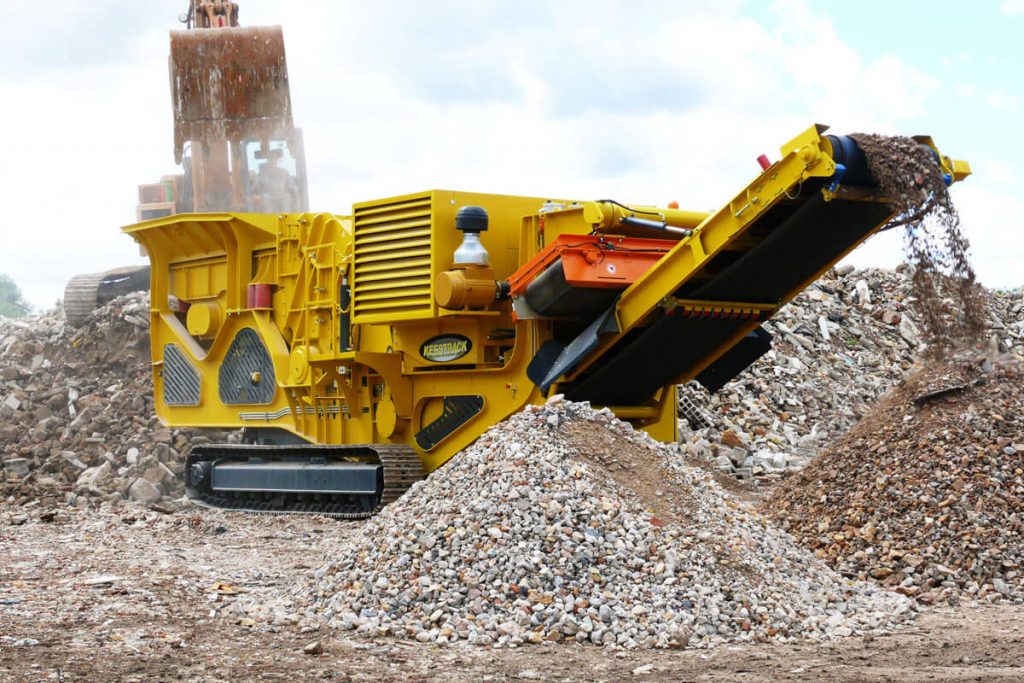
Rock crushing at a quarry

First, it’s worth acknowledging that repurposing an industry byproduct is always preferable to throwing it away.… Continue reading this article “The dirt on rock dust”

Not all Extension publications are created equal

(A friendly caveat – this post does not lend itself well to images. So the pictures here are simply eye candy from my 2019 trip to London to reward you for considering this visually drab but important topic.)

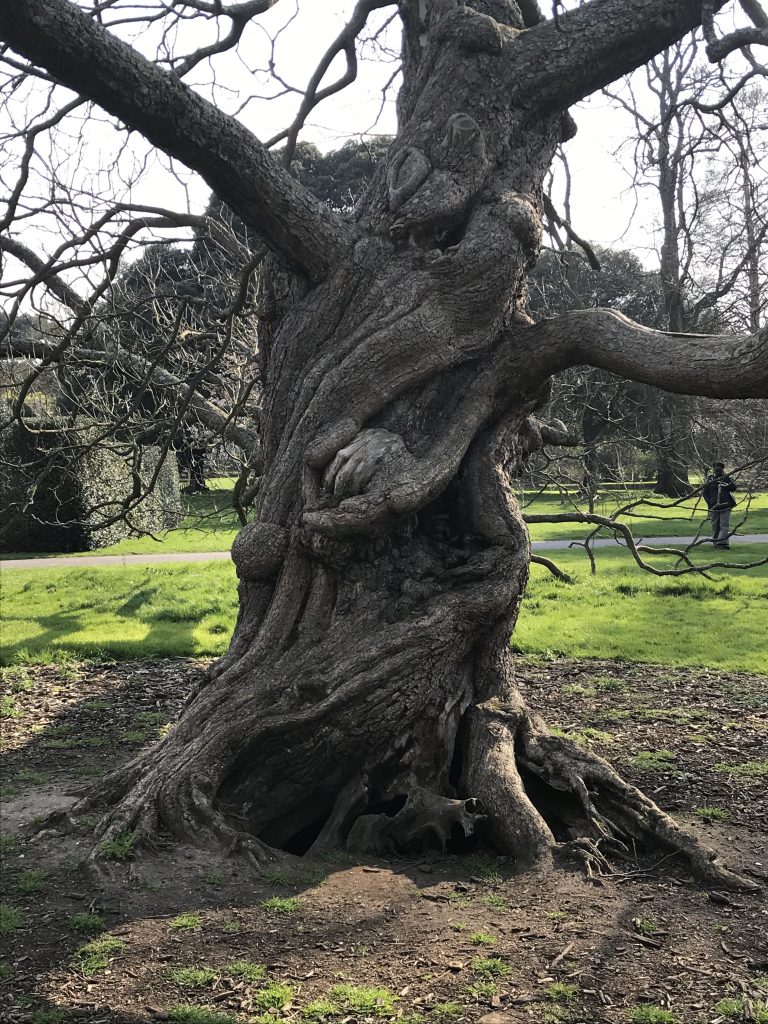
The actual “whomping willow” in Kew Gardens

I’ve been involved in Extension education for 17 years and one of the most important things I’ve learned is that Extension audiences want information that’s easily understood and has obvious practical use.… Continue reading this article “Not all Extension publications are created equal”

The complicated issue of heavy metals in residential soils. Part 3: How can we garden safely in the presence of heavy metals?

This is the last part of our discussion on gardening in soils that contain heavy metals (you can catch up on part 1 and part 2 if you need to). Today we’ll focus on the strategies you can use in your gardens and landscapes to reduce your exposure to soil-borne heavy metals.

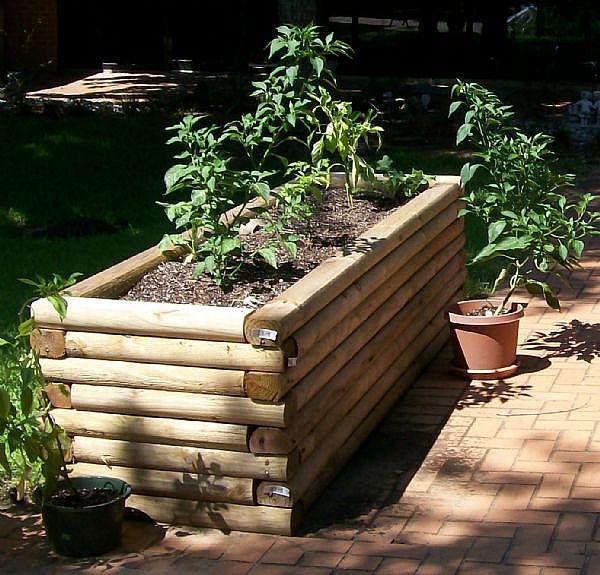
Raised beds can be an easy solution for gardeners with contaminated soils

Test your soil!

First – and this should really go without saying – you must test your soil to determine if it contains heavy metals of concern.… Continue reading this article “The complicated issue of heavy metals in residential soils. Part 3: How can we garden safely in the presence of heavy metals?”

The complicated issue of heavy metals in residential soils, part 2: How plant species and environmental variables complicate the issue

Last month we discussed the various heavy metals that might end up in your garden and landscape soils. Today we’ll consider how different factors can alter heavy metal uptake by plants.

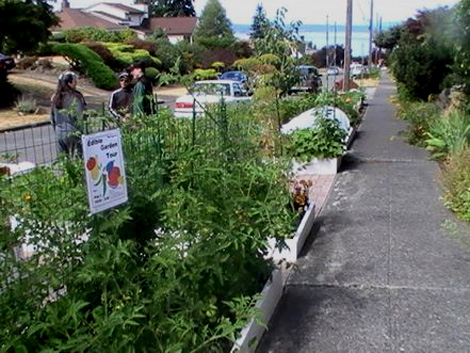
Parking strips can contain high levels of lead after decades of car exhaust

First of all, let’s consider plant uptake. Plant roots can either accumulate a particular metal or exclude it. If they exclude it, that’s the end of the story, (though it’s still a soil contaminant).… Continue reading this article “The complicated issue of heavy metals in residential soils, part 2: How plant species and environmental variables complicate the issue”