Utility arborists: Give ‘em a break

One of our semi-recurring themes on the Garden Professor’s is our WOW’s or “Why Oh Why’s”.  As in “Why oh why do nurseries continue to sell invasive plants?”  Today, I’d like to turn things around a bit and look at a group of people that are often maligned by the public but, in fact, are getting a bad rap and could use a break; utility arborists.


Right tree, right place?

Utility arborists face a nearly impossible and unenviable task.  … Continue reading this article “Utility arborists: Give ‘em a break”

Time for another WOW (Why oh why)!

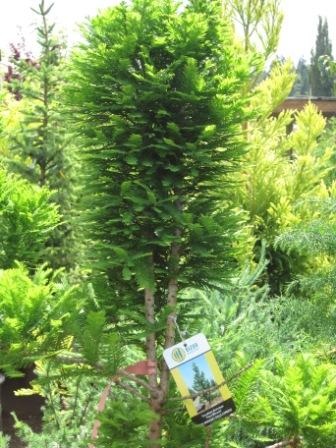
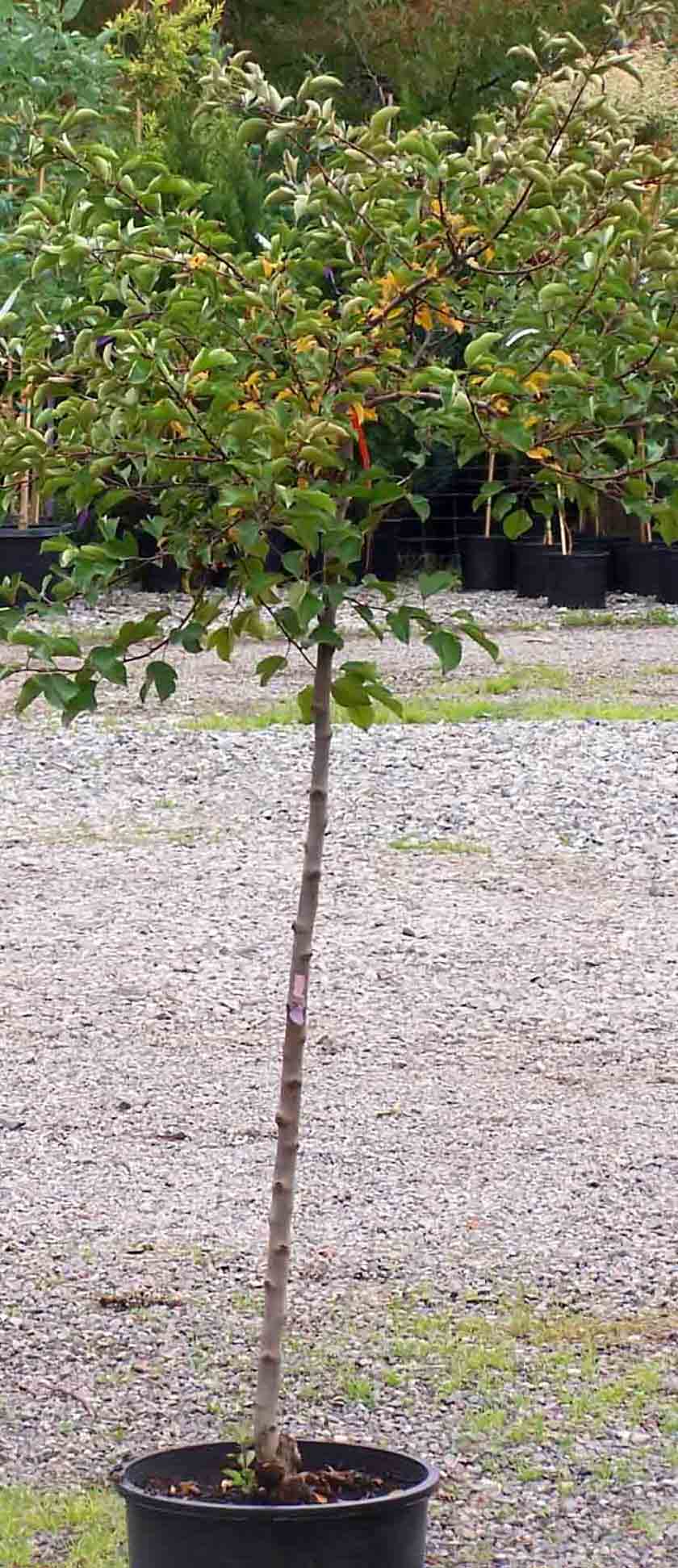
During my nursery visits this summer I came across Taxodium distichum ‘Peve Minaret’, a dwarf cultivar of bald cypress.  I hate it:

Why? Because it’s a crummy specimen. If it’s not quite clear, here is a close up of the double leader:

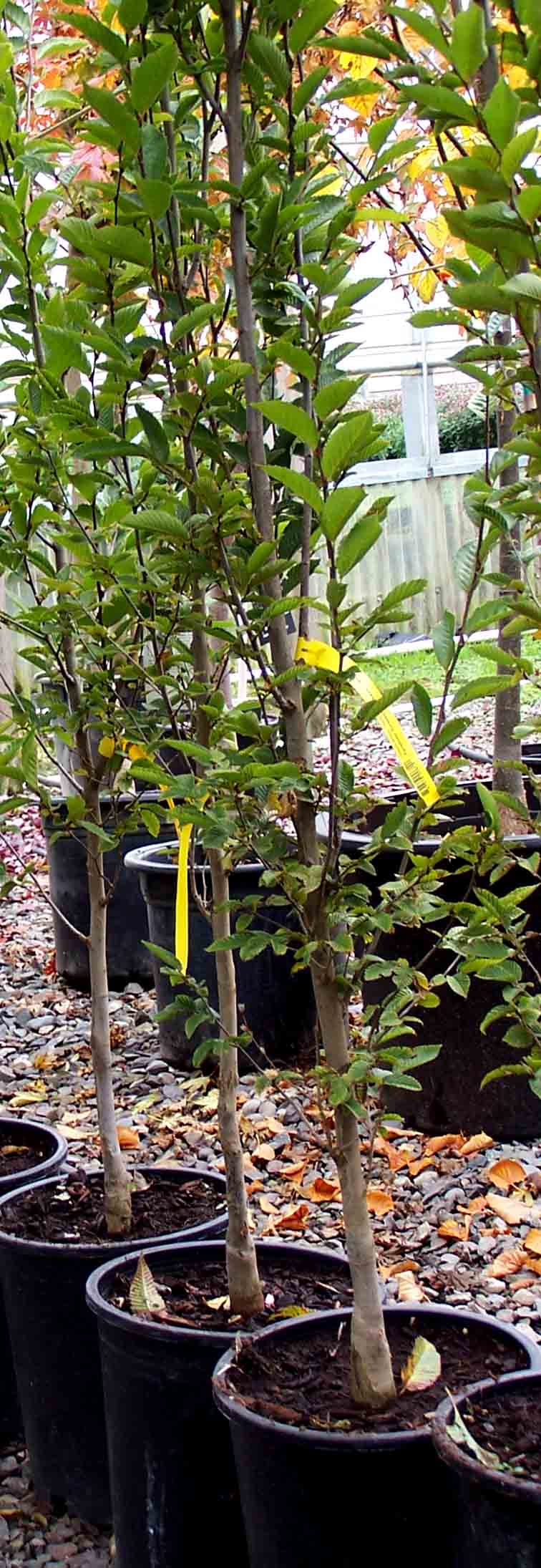
I’ve ranted a couple of times about the production nursery practice of topping young trees to create fuller crowns (you can see those posts here and here). I’m constantly taken to task for this, with comments along these lines:

1) There’s nothing wrong with it.… Continue reading this article “Time for another WOW (Why oh why)!”

Pruning perpetrators

Just when I thought I had you all fooled, Judy slipped in at the last minute with the correct answer – the “pruners” in question are deer:

The pruning ends when the deer can’t stretch any further, giving the tree its odd bell-shaped crown:

This is also a great demonstration of how pruning stimulates new growth – you can see the dense healthy growth at the base of the “bell,” even though this part of the crown normally would be much sparser.… Continue reading this article “Pruning perpetrators”

Puzzling pruning

In an otherwise nicely maintained Japanese Garden (at Tacoma’s Point Defiance Park), this black tupelo (Nyssa sylvatica) stands out, and not in a good way:

Why would someone prune a tree in this manner?  Answer and more photos on Monday!</d

Off with their heads!

About a year ago I posted my thoughts about the nursery production practice of heading young trees (“whips”) to stimulate lateral branching or columnar form or whatever.  (You can find this original column here.)  A healthy discussion ensued, much of which revolved around the need for appropriate follow-up pruning to ensure the development of a stable crown structure of headed trees.

Fast forward to last month, where a column I wrote for NPM (Nursery Production and Management) magazine hit the web. … Continue reading this article “Off with their heads!”

Why bother having trees?

Sorry to be late with my post this week – I was away reviewing grant proposals.  It was interesting and useful work, but really drains your brain.  So with that being said, my post is long on pictures and short on words.

One of the things that bugs us GP types is poor plant placement.  Why bother planting a tree if you’re not going to allow it to grow naturally?  Here are some photos to mull over the weekend. … Continue reading this article “Why bother having trees?”

Shear lunacy

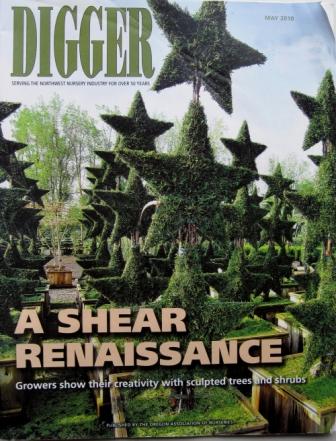
I subscribe to Digger magazine, the industry publication from Oregon Association of Nurserymen.  I am always curious about trends in the nursery industry and this magazine is a good way to find out what home gardeners are buying.

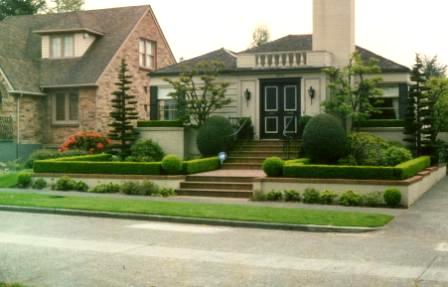
The cover feature of the May 2010 issue is on topiary. While I can appreciate topiaries in formal gardens – with dozens of gardeners to keep them shaped up – I think they are poor choices for most home landscapes. … Continue reading this article “Shear lunacy”

Inspecting nursery plants, part IV

(Note:  this is a really LONG post.  Not in text – but in photos!  Sorry for all the scrolling.)

I don’t know about you, but after spending three weeks on my hands and knees looking for trunk rots, surface roots, and suckers, I’m ready to become bipedal again.  So today let’s look at trunks – and what shouldn’t be missing on them.

Many young trees have numerous short branches along their trunk, as shown in the photo below:

>

Unfortunately, many nurseries and gardeners think this looks scruffy, and respond by pruning these branches off, leaving a tree such as the one in this picture:

Personally, I think these trees look like lollipops, but aesthetics aside, this type of pruning can inadvertently damage young trees. … Continue reading this article “Inspecting nursery plants, part IV”

To Prune Or Not To Prune, That Is The Question…

Dabney rules!

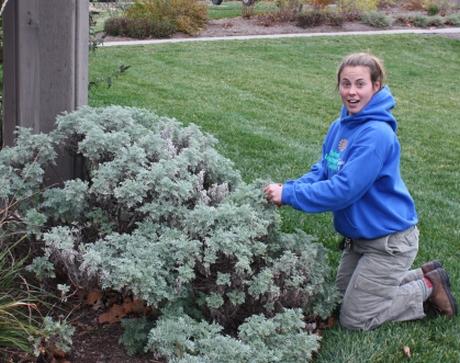
“Dabney! No! Wait!”  Just kidding. Dabney Blanton, our lovely and talented horticulturist, knows not to prune the Artemisia in the autumn.

I imagine most gardeners have experienced a frost or freeze by now [exceptions: our Southern Hemisphere readers (howdy to Jimbo)…or anyone in the deeeeep south].

The perennials here in Blacksburg have taken a couple of hits; time to start trimming things back. In the Hahn Horticulture Garden and in my own personal garden, we like to leave perennials and ornamental grasses up as long as possible – gives us something to look at besides mulch, plus the wee birdies enjoy it.… Continue reading this article “To Prune Or Not To Prune, That Is The Question…”

Carrot-top syndrome in white pine

I know a few folks out there are starting to believe that I’m just an apologist for the nursery industry.  While it’s true most of the nursery people with whom I work are hard-working folks trying to do their best to run a successful business and produce a quality crop, there are certainly some issues out there and I’ve got my share of pet peeves.  One of the things really that chafes my heiney is what I refer to as “Carrot-top” syndrome in eastern white pine (Pinus strobus). … Continue reading this article “Carrot-top syndrome in white pine”