“Lazy” corn and gravitropism

Inspired by Linda’s post about thigmomorphogenesis, I decided today I would add the word gravitropism to your vocabulary. It simply means growth in response to gravity. Shoots of plants grow up, because they are negatively gravitropic, they grow against the pull of gravity, while roots are positively gravitropic and grow down towards the pull of gravity.

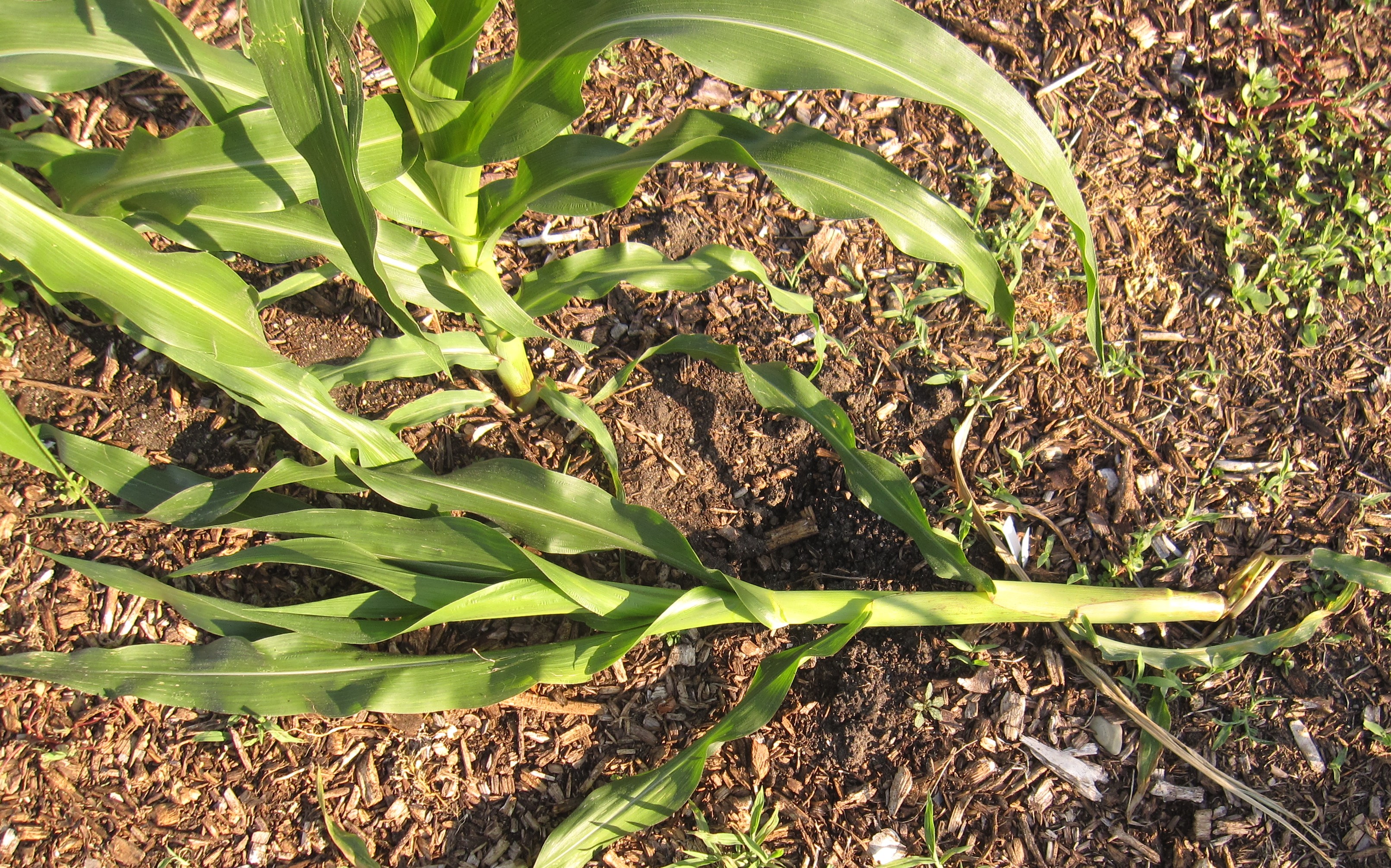
And why is that so important? Well… this is what happens when gravitropism is missing.

cornlazyplant

To the left is normal old corn.… Continue reading this article ““Lazy” corn and gravitropism”

Your new word for the day: thigmomorphogenesis

I just finished reviewing 4 manuscripts for three different journals and boy is my brain fried. My private reactions ranged from “I can’t wait until this one is published!” to “If I were to use sheet mulch this manuscript would be my first choice.” Anyway, it was the latter manuscript that got me to thinking about what can go wrong with experimental design, which brings up today’s word: thigmomorphogenesis.

This is a great word for those who enjoy figuring out word meanings by deciphering the (usually) Greek or Latin roots.… Continue reading this article “Your new word for the day: thigmomorphogenesis”

Mitchella repens … Partridge Berry … an Evergreen Native Groundcover for Shade

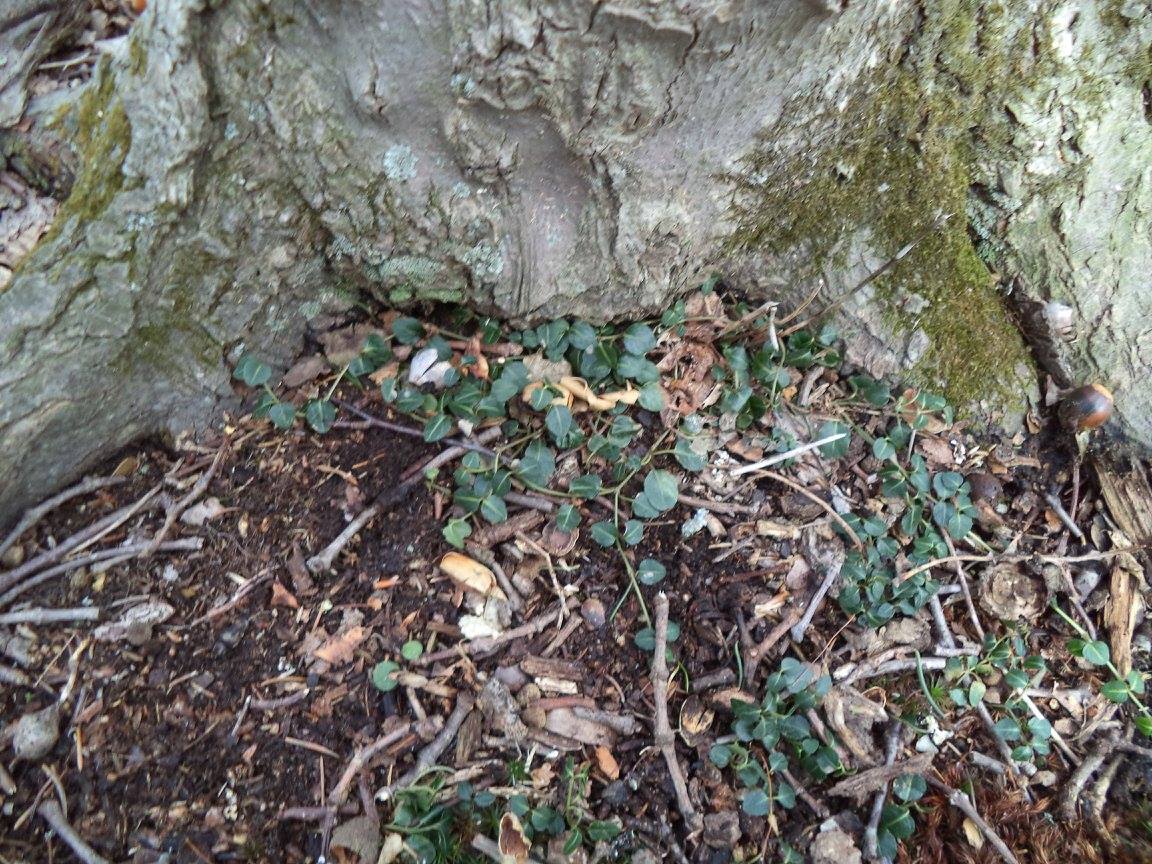
NaturalSetting1

Partridge Berry in its Natural Setting

One of the questions that came up regularly when I was working the hotline at the local county Extension office, is a recommendation for an evergreen ground cover for shady spots.  I had the same issue when I created my own shade garden … something that would have year round interest, but complement my desire to emphasize native species, although that was only one consideration.

The solution was literally right next to me, as a walk in my woods revealed with the lovely plant Partridge Berry, or Mitchella repens.… Continue reading this article “Mitchella repens … Partridge Berry … an Evergreen Native Groundcover for Shade”

Bad power line pruning

Driving home today, I saw this lovely sight:

powerlinepruningOur local utility company has been busy butchering trees around the power lines.

Every plant person I know complains about this, but I honestly don’t think there is much hope for a change. Power companies don’t want limbs falling on the electric cables during storms, and they’re not likely to start spending money to hire real arborists to do the pruning.

What I really wish is that people would start thinking a little more before putting in a tall tree directly under electric lines.… Continue reading this article “Bad power line pruning”

Fall is for Planting…Ornamental Grasses! But so is Spring…

I’ve written previously of my adoration for ornamental grasses.  A few of you folks in the mid-Atlantic might have heard my “Grasses for the Masses!”  presentation complete with lots of arm-waving. As with most of my talks, there’s usually some sort of interpretive dance involved.

Most of our warm-season ornamental grasses are in full gloriousness at the moment.  Because it’s autumn! ‘Tis the season to purchase, plant, and enjoy ornamental grasses!

Well, not really.  If you’d have purchased and planted them in April or May, you’d only have to do the “enjoy” part now. … Continue reading this article “Fall is for Planting…Ornamental Grasses! But so is Spring…”

Little ball of horrors

One of the great things about doing a multi-author science blog is that there will be topics about which colleagues will disagree. One of those topics revolves around the best way to prepare woody rooted plants (trees and shrubs) before planting them. This is an area in arboricultural science that is evolving. A search through our blog archives will find many of these posts and for convenience’s sake I’ve linked one from each of us here.… Continue reading this article “Little ball of horrors”

Confessions of a Lazy Gardener

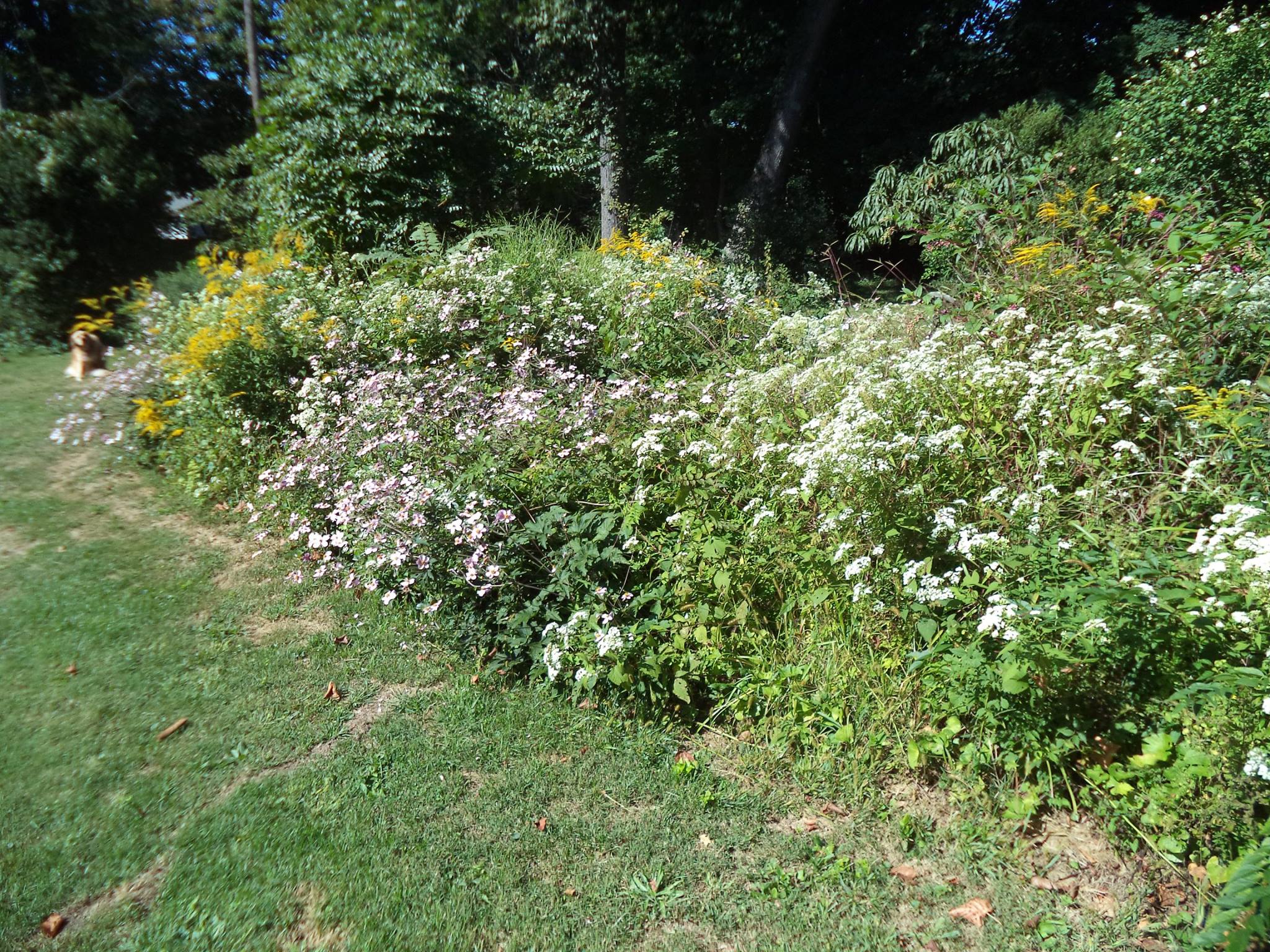
NeglectedBed1

I admit it.  I can’t keep up … I’m not as industrious as most of my gardening friends are when it comes to the effort necessary to manage my 6 acre landscape.

It can get overwhelming, especially when there are previous beds that came with the property that had been neglected for 10 years or more by the elderly lady who owned the property before us, and where perennial weeds are well established.

I make a valiant effort in the Spring, with all the enthusiasm of the new season to clean them up … dig the perennial weeds … plant something new (usually a division, or a naturally layered specimen, from elsewhere, or one shared from friends), but by mid-July or so, I have to redirect my efforts to the places that I’ve created … the shade garden … the rock (mostly sedum) garden … mulching the new trees and shrubs, and of course my tomatoes, so these previous places don’t get the attention they deserve.… Continue reading this article “Confessions of a Lazy Gardener”

Why doesn’t my plant look like it did last year?

I get versions of this question often. You have something in the garden, but this year it looks a bit different than it did before. There are a bunch of different things that could have happened to cause this change, and I’ll attempt here to make a complete list of them.

Rootstock

Trees and shrubs, including things like tree peonies and roses, are often grafted, so the part with the pretty flowers or delicious fruit is stuck onto the roots of a different variety, often not as pretty/useful/tasty but more vigorous and/or easier to propagate.… Continue reading this article “Why doesn’t my plant look like it did last year?”

Puya report!

For all five of you that might have paid attention to my posts on the genus Puya (which does in fact rhyme with booyah…thank you my west-coastie friends):

Here’s the update that you’ve been waiting for!

Puya is a horrifically spiny, painful, and hateful genus in the Bromeliad family. Native to the Andes, the fish-hook-like spines snare passing mammals; the rotting flesh provides nutrients to the exceptionally lean soil of the arid steppes on which it sort of grows/becomes grumpier.… Continue reading this article “Puya report!”

The Science Behind Fall Color

In many parts of the U.S., particularly the northern U.S., we are blessed each year by nature’s display of bright color dotted through the landscape. Fall color of leaves at the end of the growing season provides a remarkable encore in the landscape. There are many trees and shrubs with great autumn leaf color and I will address some of them in my next week’s post, but this week, I will talk about what actually happens inside the plant during autumn.… Continue reading this article “The Science Behind Fall Color”