Recognizing bad science by honing your B(ad) S(cience) detector

Last week there was much ballyhooing over a new article on the benefits of native plants in supporting insect populations. I’ve posted on the fallacy of native plant superiority before, pointing out that landscape biodiversity not plant provenance, is most important for supporting all types of beneficial wildlife. Despite robust, published evidence to the contrary, more people and governing bodies believe that native plants are the magic bullet for urban landscapes.… Continue reading this article “Recognizing bad science by honing your B(ad) S(cience) detector”

Preparing your landscape for extreme weather

Since my last post, the news has been full of one weather disaster after another. Wildfires in Maui. The remains of Hurricane Hilary moving north into California and other parts of the western USA with moisture even streaming as far east as Wisconsin. Record-breaking heat and humidity across most of the continental USA and severe weather outbreaks in the Midwest and Northeast. This does not even include the typhoons, floods, droughts, and heat waves occurring in other parts of the world at the same time.… Continue reading this article “Preparing your landscape for extreme weather”

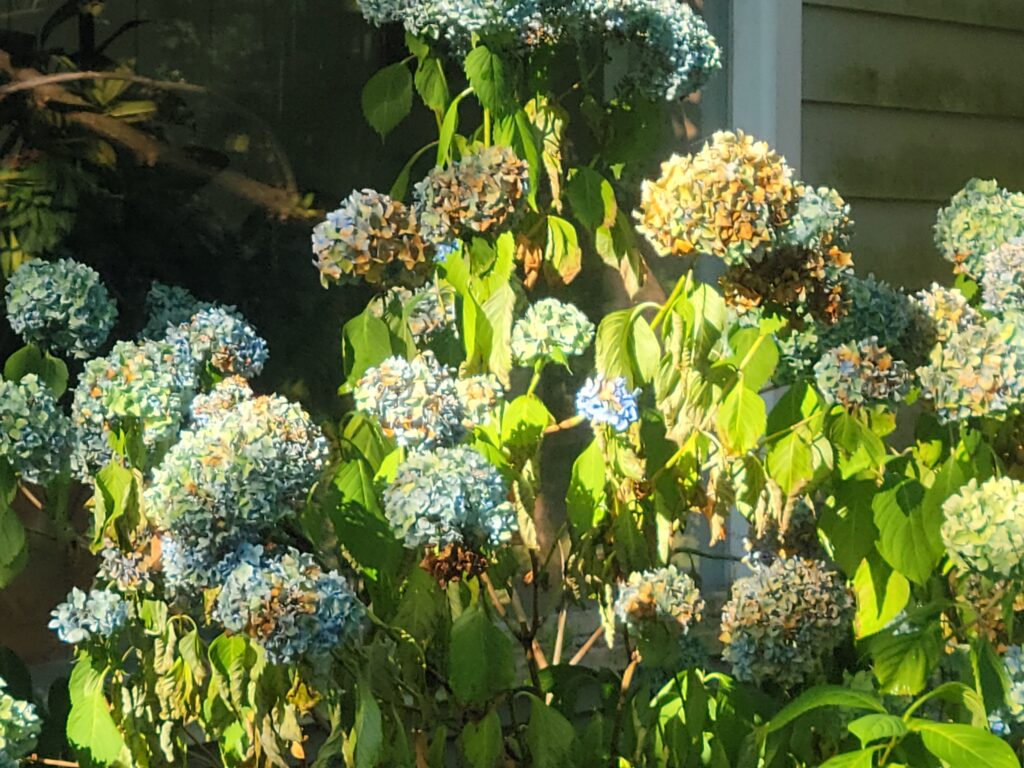
Diagnosing Disasters: The Case of the Mopey Mophead

What happened to my hydrangea???

This past week I was out of town at a conference, and since the week was supposed to be a scorcher I made sure my husband was going to water the container plants daily. And indeed, temperatures were in the 90s, dropping to the mid-60s at night. But the container plants looked great when I got home and I didn’t think much more about it until the next day. My husband called me into the living room, pointing at our massive mophead hydrangea which looked like it had been torched.… Continue reading this article “Diagnosing Disasters: The Case of the Mopey Mophead”

Beneficial Bicarbonate?

The hot weather that stimulated the last blog is still with us! Keep up the mulch and occasional watering to help shade trees. Today I want to cover a topic that seems like a garden myth but actually has considerable science behind it. Bicarbonate! The miracle cure for all garden pests? No. My wife came across an article in her news feed about a ‘garden guru’ who touted baking soda as a miracle cure for powdery mildew and other “blight” diseases.… Continue reading this article “Beneficial Bicarbonate?”

It’s the heat (and the humidity!)

My news feed has been filled in recent weeks with many stories about the unusual heat that has affected many parts of North America, Europe, and the Atlantic Ocean. High temperature records are being broken at an amazing rate, and while we don’t expect every day or season to break a new heat record, the trend towards warmer global temperatures overall from greenhouse warming makes periods of extreme heat more likely.

Today I want to talk about the term “heat dome” and explain what they are, how they affect gardeners (and other humans) as well as the plants in our gardens and agricultural fields.… Continue reading this article “It’s the heat (and the humidity!)”

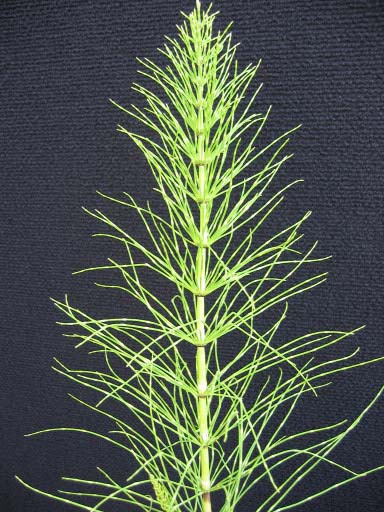
Horse(tail) sense or nonsense?

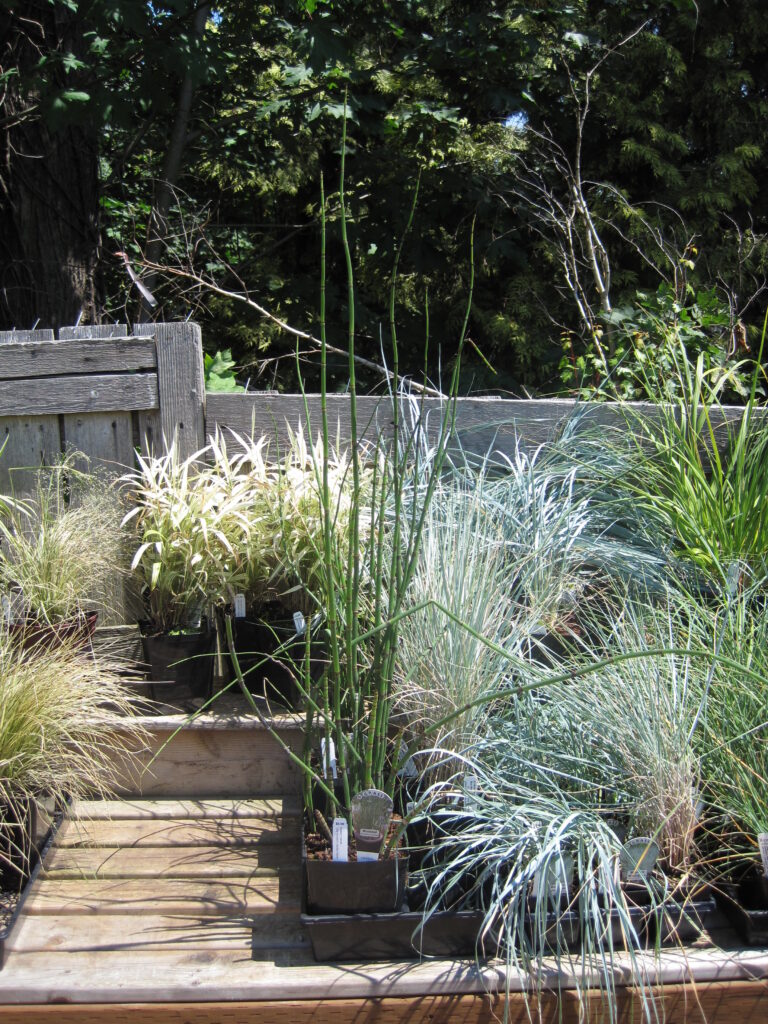
One of the most annoying weeds in garden and landscape beds is horsetail (Equisetum spp.), a genus native throughout North America and most of the rest of the world. They have survived since prehistoric times because they are highly adaptable to their environments and are almost impossible to eradicate. There is great debate among gardeners on whether to pull or cut horsetail.… Continue reading this article “Horse(tail) sense or nonsense?”

I’m hot! So are my plants!

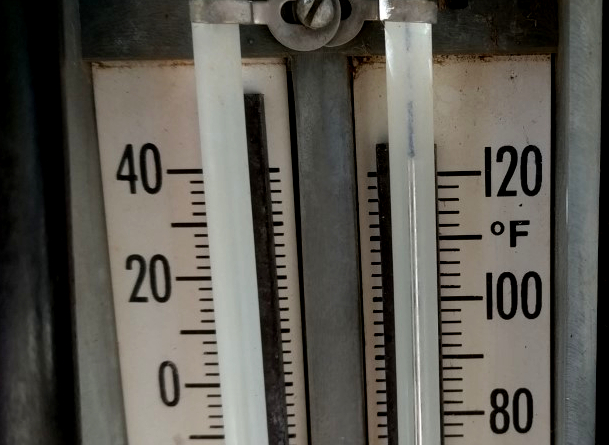
We are again in the midst of excessive heat events in many parts of the United States. Records were broken for the highest temperatures ever recorded just a few days ago. This is also a time when the days are at their very longest, so high temperatures have large impacts on plants in landscapes.

In 2020 temperatures reached over 120 degrees in Ojai California. This caused immediate impacts to both native and introduced landscape plants.

High temperature can have immediate (acute) and continuing impacts (chronic) on plants.… Continue reading this article “I’m hot! So are my plants!”

Smoke gets in your eyes…and in your garden!

Over the last month, I have seen many stories related to smoke from Canadian wildfires drifting down into the eastern United States, causing muted sunsets as well as terrible air quality. Even my mom up in Michigan told me how bad the air is up there this week and friends in Wisconsin have told me that they can’t go outside without donning N95 masks to cut down on breathing in all the smoke particles. Of course, our readers in the western U.… Continue reading this article “Smoke gets in your eyes…and in your garden!”

A Toast to Agaves

Agaves, those bat pollinated, succulent, strong leaved, slow-growing, xeric- and heat-loving Western Hemisphere plants, are literally the heart of the tequila and mezcal industry. As fascinating as the bat pollinator aspect is we’re going to focus on the how agaves are used to produce liquor.

Image by Jesus Cervantes/Shutterstock


Let’s start with the differences between mezcal and tequila. These include region of origin, plants used and production methods.

We’ll start with regions and plants.

The name “mezcal” comes from the Nahuatl word “mexcalli” which means “oven-cooked agave.”… Continue reading this article “A Toast to Agaves”

Buying lady beetles and mantids for your home gardens is probably not the best pest control strategy

Biological control is the use of natural enemies such as predators, parasites/parasitoids, and pathogens of pests in order to suppress or control them. This is a great tool for pest control and we hear about biological control a lot, especially when we talk about IPM (Integrated Pest Management). It usually comes with the classic imagery of a hungry lady beetle (often incorrectly referred to as the lady ”bug”) munching on aphids.

Cartoon of lady beetles munching on aphids by Sara Zimmerman (unearthedcomics.com)
Continue reading this article “Buying lady beetles and mantids for your home gardens is probably not the best pest control strategy”