A plant riddle for you

This week Jeff, Bert and I are brainstorming new and exciting ways that The Garden Professors can invade…I mean integrate into…the gardening world. (We’re channeling Holly, who had a conflict with another even this week.)  We’ll leave discussion of the particulars for another day.  But that’s my segue into my text-short but picture-perfect invasive plant story.

Earlier this spring I was in Palm Desert and spotted a large clumb of purple fountain grass (Pennisetum setaceum) in a landscape:
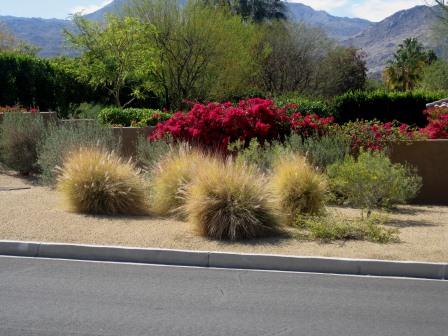
So here is the riddle: Why did the fountain grass cross the road?… Continue reading this article “A plant riddle for you”
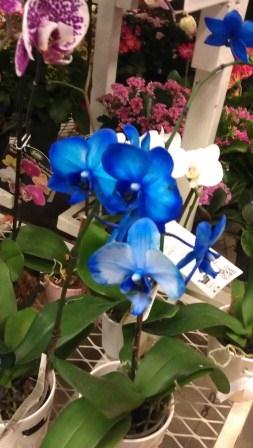
Blue orchids?

I was at a big box home improvement store yesterday, and after doing my legitimate business I felt myself drawn to the garden center.  I smirked at the “drought tolerant cactus gardens” that had died from lack of water and the ever-popular GMO “cactus strawflower” (GMO = glue modified organism as illustrated in my January 13, 2010 post).  Then I spotted my prey du jour: a blue orchid!

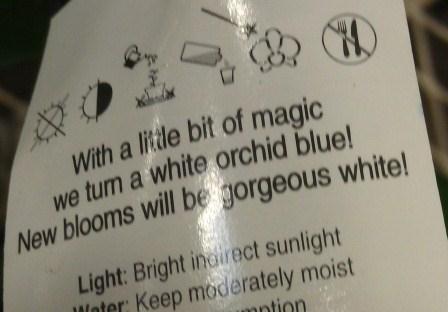
A disclaimer on the tag warns that new blooms will be white:

Oh, and the source of the magic? … Continue reading this article “Blue orchids?”

Are natives the answer? Revisited

I started to leave a comment on Linda’s Friday post regarding Seattle Public Utilities proposed building codes regarding “Healthy Landscapes” but decided I’d weigh in with a regular post.  Linda honed in on the 75% native requirement but there are lots of things to make one scratch their heads in the proposed codes.

Existing invasive plant species shall be removed and no invasive species planted.
No mention of how invasive plants shall be removed.  Heavy-duty herbicides?… Continue reading this article “Are natives the answer? Revisited”

The natives debate continues…

Bert’s usually the one who posts on native plant news, but since he’s not in Seattle he will have missed this one.  So Bert, sit back and enjoy!

I just got an email from Seattle Public Utilities, who are having an open house to discuss “high efficiency landscapes” through their Green Code Provision Boards. One of the changes has to do with invasive species (a good thing). But these are the proposed changes:

Invasive Species and Native Vegetation (Regional Plan)

Who it Applies To:  For all new vegetated landscapes, or those being replaced

Requirements:

• Existing invasive plant species shall be removed and no invasive species planted.… Continue reading this article “The natives debate continues…”

Upside: he won’t have to mow for a while…

This is old news by now  – I’m surprised Jeff hasn’t pounced!!

Minnesota man accidentally kills entire lawn with herbicide

Sadly, the dead lawn ruined the plans for a charitable fund-raiser, also.

Lots of eye-rolling and sassy comments out there (from "duh" to "d’oh!") berating the guy
for not reading the label. Actually, my first reaction, too (RTFM, as
my Lt. Col. father would say.)

But it’s not so easy sometimes. I was trying to make out the fine print on the
silly peel-off, accordion-fold label on some Spinosad the other day and
it was impossible. … Continue reading this article “Upside: he won’t have to mow for a while…”

For “entertainment value” only

So reads the sticky note from my retired entomologist colleague.  It’s affixed to the latest flyer promising the "greenest garden in town" using the "best all-time tips, tricks and tonics."

The entire brochure is ludicrous, and picking it apart is like shooting fish in a barrel. But sometimes it’s fun going for the low-hanging fruit. Here are some of the more memorable claims:

Epsom salts – grow sweeter melons, energize your roses, supercharge your grass seed, grow giant geraniums, bust tomato blight, boost your bulbs, force stubborn shrubs to flower, etc.… Continue reading this article “For “entertainment value” only”

Suddenly Symphyotrichum

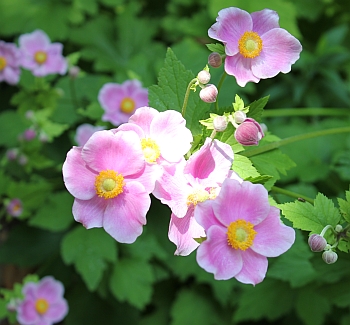
Also the Anemone x hybrida, Solidago, etc.  Everything’s blooming early here in the Mid-Atlantic.


"Fall-Blooming Anemone." Not.

I teach an herbaceous plant i.d. and use course each fall and spring. By looking back at my plant lists, I can tell what was blooming when.  I usually teach the asters at the end of September.

That’s going to be tough this year, since they are all BLOOMING RIGHT NOW dammit.   This will be a great experiment in "does deadheading = rebloom" for many of the asters. … Continue reading this article “Suddenly Symphyotrichum”

The ugly side of compost

In my part of the world we’re able to send most of our organic stuff through the green cycling program, where it ends up being made into compost.  Cedar Grove contracts with the City of Seattle to do this service.  As you might imagine, this requires huge, multiple facilities to handle all of the organic material that comes through the system.  And it’s not difficult to imagine that problems arise, especially in choosing locations for these sites.… Continue reading this article “The ugly side of compost”

MossTiles – a really bad idea

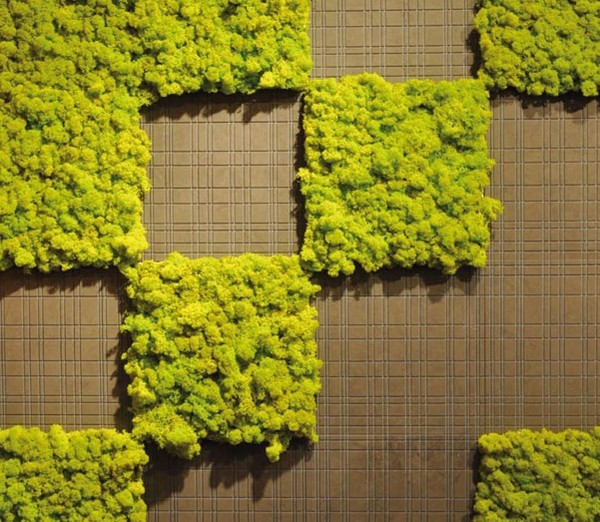
A few months ago a colleague alerted me to MossTiles, which can be attached to walls to create interior vertical gardens. They look really cool, and I assumed they consisted of some tough little moss species rooted in a mesh-enclosed planting mix. But the more I read about them, the more confused I became. They don’t need light – or fertilizer – or water (though misting them occasionally is recommended). More investigation was in order.

It turns out that these aren’t made from moss at all, but lichens – specifically reindeer moss (Cladonia rangiferina).… Continue reading this article “MossTiles – a really bad idea”

Why I don’t like cardboard mulch

I’ve discussed my dislike of cardboard mulch before: like other sheet mulches it restricts water and gas transfer between the soil and atmosphere. In published comparison studies, other mulch choices generally outperform cardboard in terms of plant growth, weed control, etc. But there’s one area where cardboard is tops compared to every other mulch material tested.

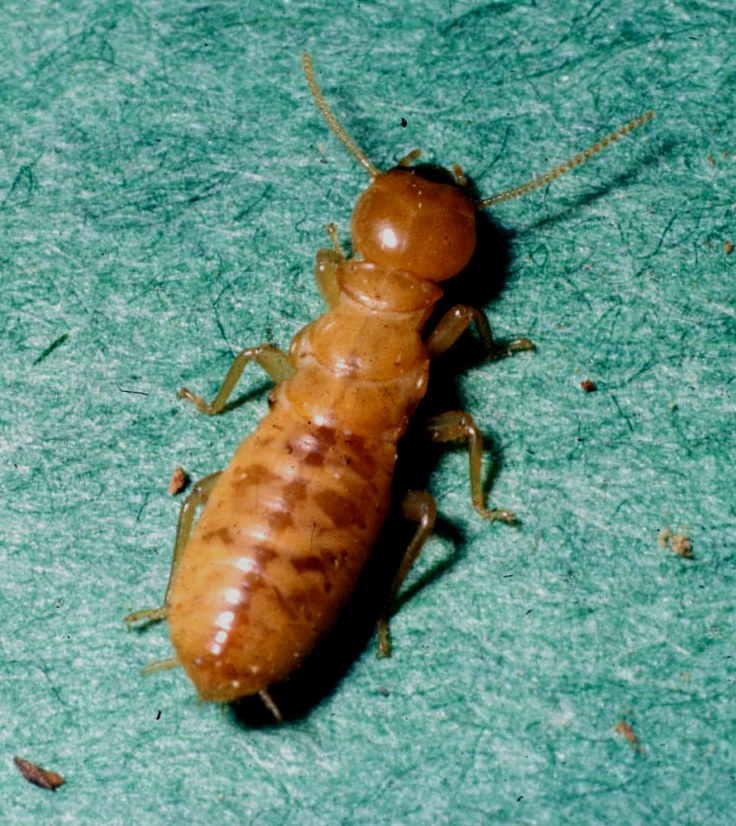
Termites.


Termites LOVE cardboard. Did you know that termite researchers use cardboard feeding stations to lure termites? And cardboard is often used as the “control” in feeding studies, because termites will always eat it?… Continue reading this article “Why I don’t like cardboard mulch”