The Dirty Truth Behind the “Dirty Dozen”

By: Abi Saeed

Pesticide residues and risk assessments have been a major topic of interest and inquiry for me for over a decade, and something that I wanted to write about on the Blog for quite some time. Over the past couple of months, I have had several inquiries from people regarding the “Dirty Dozen” list, so I thought this was the perfect time to organize the evidence-based data on this topic. To see a prior post on this topic, you should also check out Jeff Gillman’s post on the Dirty Dozen from 2010 and a follow up post from 2011.… Continue reading this article “The Dirty Truth Behind the “Dirty Dozen””
Hort couture or hubris? The growing trend of genetically engineered novelty plants

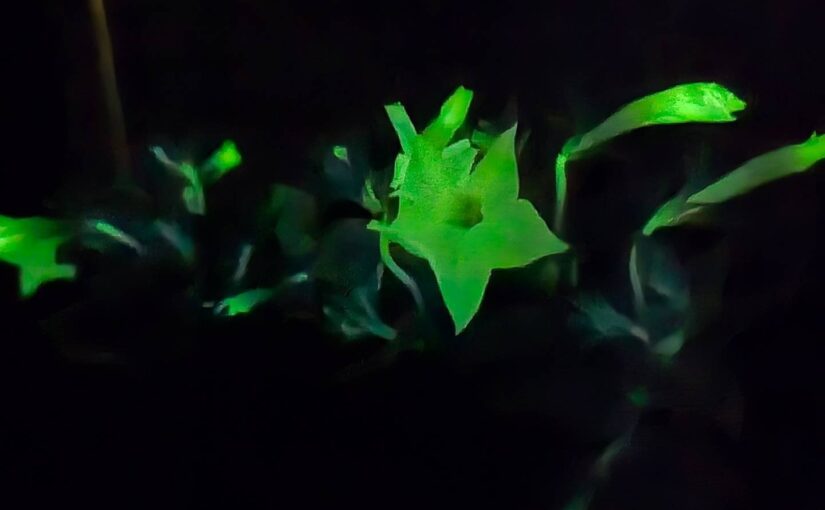
A few months ago I wrote about the newly released Purple Tomato, one of the first direct-to-consumer genetically engineered plants made available to the general public. (I’m happy to report that my Purple Tomato seedlings are growing along quite well.) Shortly after I wrote that article, I learned about another new genetically engineered plant being released to home gardeners, this time a bioluminescent petunia. So, of course you know I just had to have some.… Continue reading this article “Hort couture or hubris? The growing trend of genetically engineered novelty plants”

Plant lists that shouldn’t exist

Nothing drives me crazier than simplistic solutions to complex problems. Given our changing climate, there has been an explosion of “drought tolerant” and “firewise” plant lists in the gardening world. Most of these lists are devoid of science and all of them are removed from reality. The fact is that taxonomy plays a minimal role in determining whether a plant will tolerate environmental extremes.

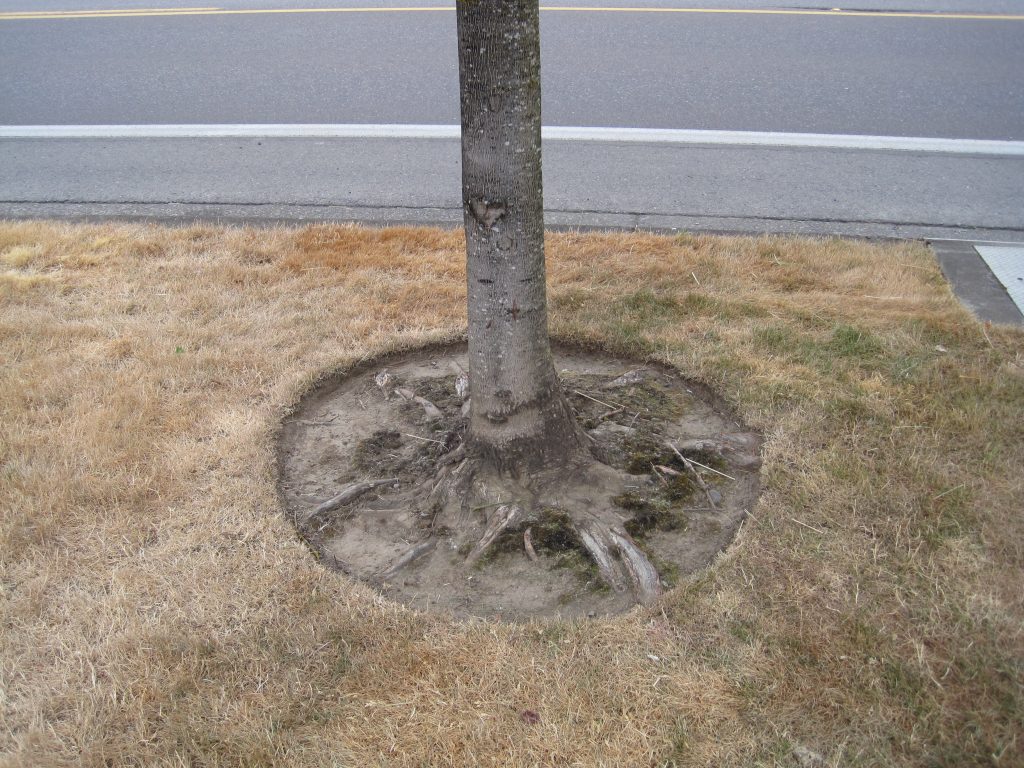
Lack of irrigation and mulch guarantees a drought-stressed landscape regardless of the selected species.
Continue reading this article “Plant lists that shouldn’t exist”

Everything is chemicals: the myth and fear of “chemical-free” gardening

“Chemical-free” – a term I’ve seen several times attributed to many products, especially food and produce at farmers markets and even in gardening circles these days.  This term is often misused to describe plants grown without the use of any pesticide, either conventional or organic. I have my thoughts that I’ll share later on that subject but first let’s talk about this “chemical-free” that gardeners, farmers, and others use and why its not only a myth, but a dangerous one at that.… Continue reading this article “Everything is chemicals: the myth and fear of “chemical-free” gardening”

Garden Logic – understanding correlation and causation in our gardens and landscapes

This home landscape is managed using science-based methods; the only routine additions are water and arborist chip mulches.

Upon reading this post’s title, you may be inclined to stop right there. (That’s why I have an eye-catching photo to lure you in.) While logic may seem irrelevant to your enjoyment of gardening, I can guarantee that reading this blog post will challenge many seemingly logical assumptions you’ve heard or read about. Recognizing unsubstantiated assumptions and avoiding their pitfalls means you can make wise choices about how you care for your gardens and landscapes.… Continue reading this article “Garden Logic – understanding correlation and causation in our gardens and landscapes”

SUPER Thriving Lettuce?

The Garden Professors have previously written about the ubiquitous garden center product, SUPERthrive, here and here. The manufacturer claims a plethora of beneficial uses for SUPERthrive —everything from Christmas tree care to turf to hydroponics. They claim SUPERthrive will “revive stressed plants and produce abundant yields” and that it “encourages the natural building blocks that plants make for themselves when under the best conditions” thus “fortifying growth from the inside out,” but I know of no body of rigorous, peer-reviewed literature to support any of those claims (1, 2, 3, 4).… Continue reading this article “SUPER Thriving Lettuce?”

Not all Extension publications are created equal

(A friendly caveat – this post does not lend itself well to images. So the pictures here are simply eye candy from my 2019 trip to London to reward you for considering this visually drab but important topic.)

The actual “whomping willow” in Kew Gardens

I’ve been involved in Extension education for 17 years and one of the most important things I’ve learned is that Extension audiences want information that’s easily understood and has obvious practical use.… Continue reading this article “Not all Extension publications are created equal”

Hydroponics for the Holidays? Home Systems are a hot holiday gift list item

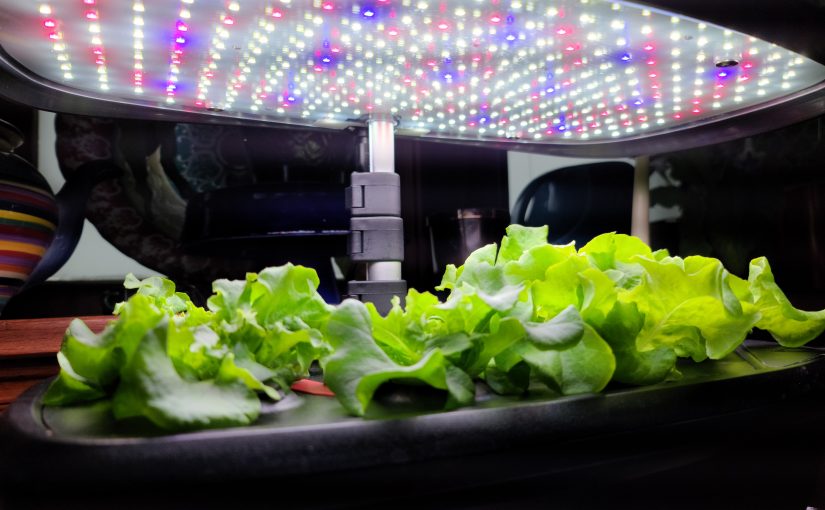
Systems to grow fresh produce in your home using hydroponics or other automatic processes have been popular for several years but seem to be even more popular this year with more folks home and looking for something to do and hoping to produce their own food.  As a result, these systems are popping up on holiday wish lists and gift buying guides all over the internet.  But are they worth it?  And if so, what should you look for in a system? … Continue reading this article “Hydroponics for the Holidays? Home Systems are a hot holiday gift list item”

GPs at the Tradeshow: Looking for snake oil and finding…..the dirt on tillage

The Annual Meeting and Professional Improvement Conference of the National Association of County Extension Agents is that one time of year where extension agriculture professionals gather to share ideas, give talks, network, and let their hair down. The name of the organization is a bit outmoded: many states no longer call their extension personnel agents, but rather educators, experts, professionals, area specialists, and the like. Most aspects of agriculture are included: from the traditional cows and plows of animal science and agronomy to horticulture and sustainable agriculture (I’m the outgoing national chair of that committee).… Continue reading this article “GPs at the Tradeshow: Looking for snake oil and finding…..the dirt on tillage”

Is it good advice? Or is it CRAP?

In my educational seminars I’ve long shared a version of the CRAAP test (currency, relevance, authority, accuracy, and purpose) for analyzing information related to gardens and landscapes. My version is CRAP (credibility, relevance, accuracy, purpose), and we’ve published an Extension Manual that explains in detail how to apply it. This past week I was at the Philadelphia Flower Show participating in Bartlett’s Tree Care Update panel. Given that the theme of the show was “Flower Power,” I figured that a talk on Magical Mystery Cures was in order.… Continue reading this article “Is it good advice? Or is it CRAP?”