Baptisia: Beyond the Blue

The Perennial Plant Association recently released the identity of the PPA Plant of the Year – for 2010 it is Baptisia australis (False Blue Indigo).  Various blogs have noted this (including Garden Professor fave Garden Rant) and I’ve read some interesting comments, both pro and con.

True story: I asked for Baptisia at a small rural garden center years ago; the owner said “Don’t have any; but I think I have a Methodist running around here somewheres…”  Badda-bump.Continue reading this article “Baptisia: Beyond the Blue”
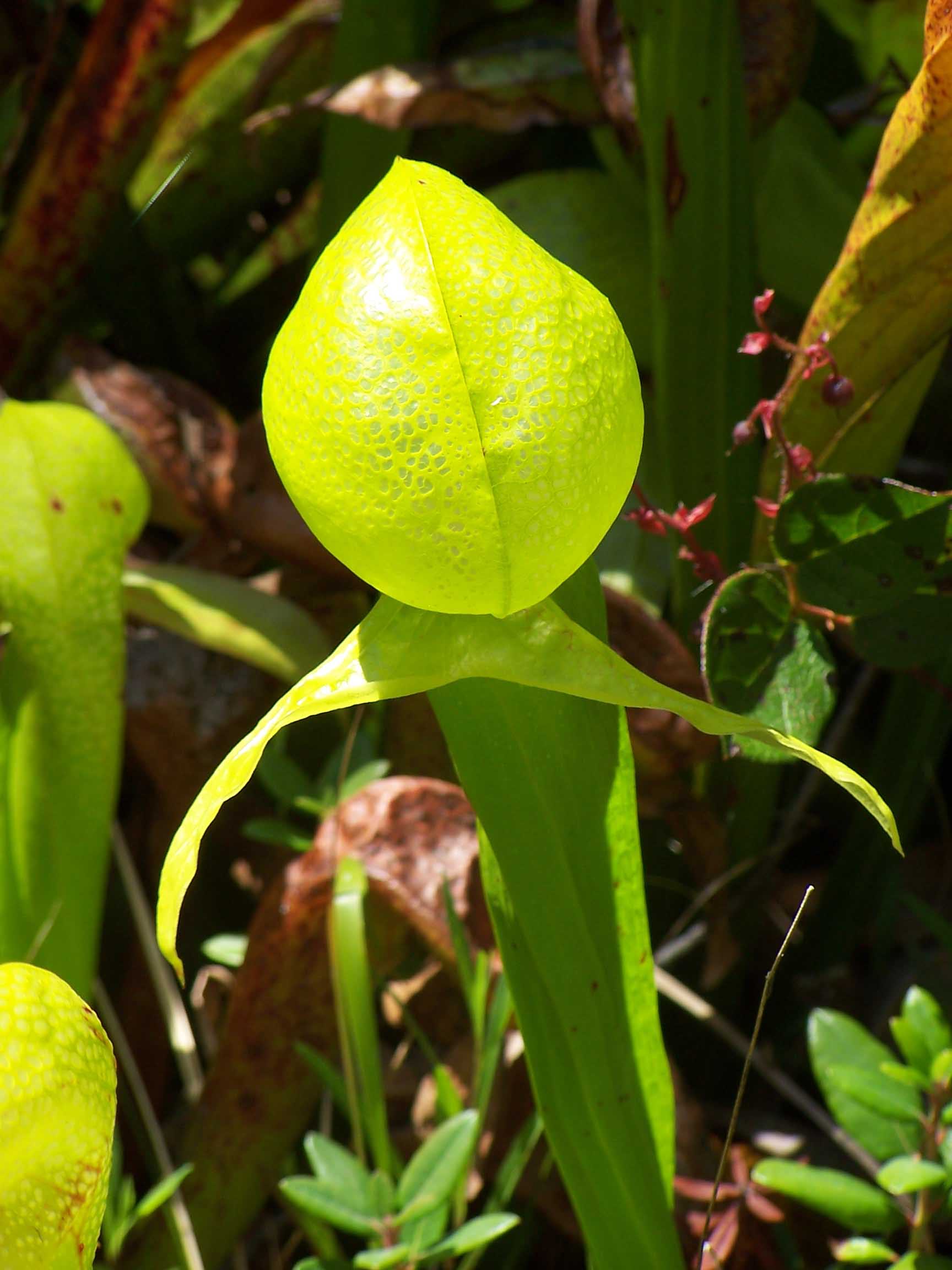
Friday’s puzzle solution

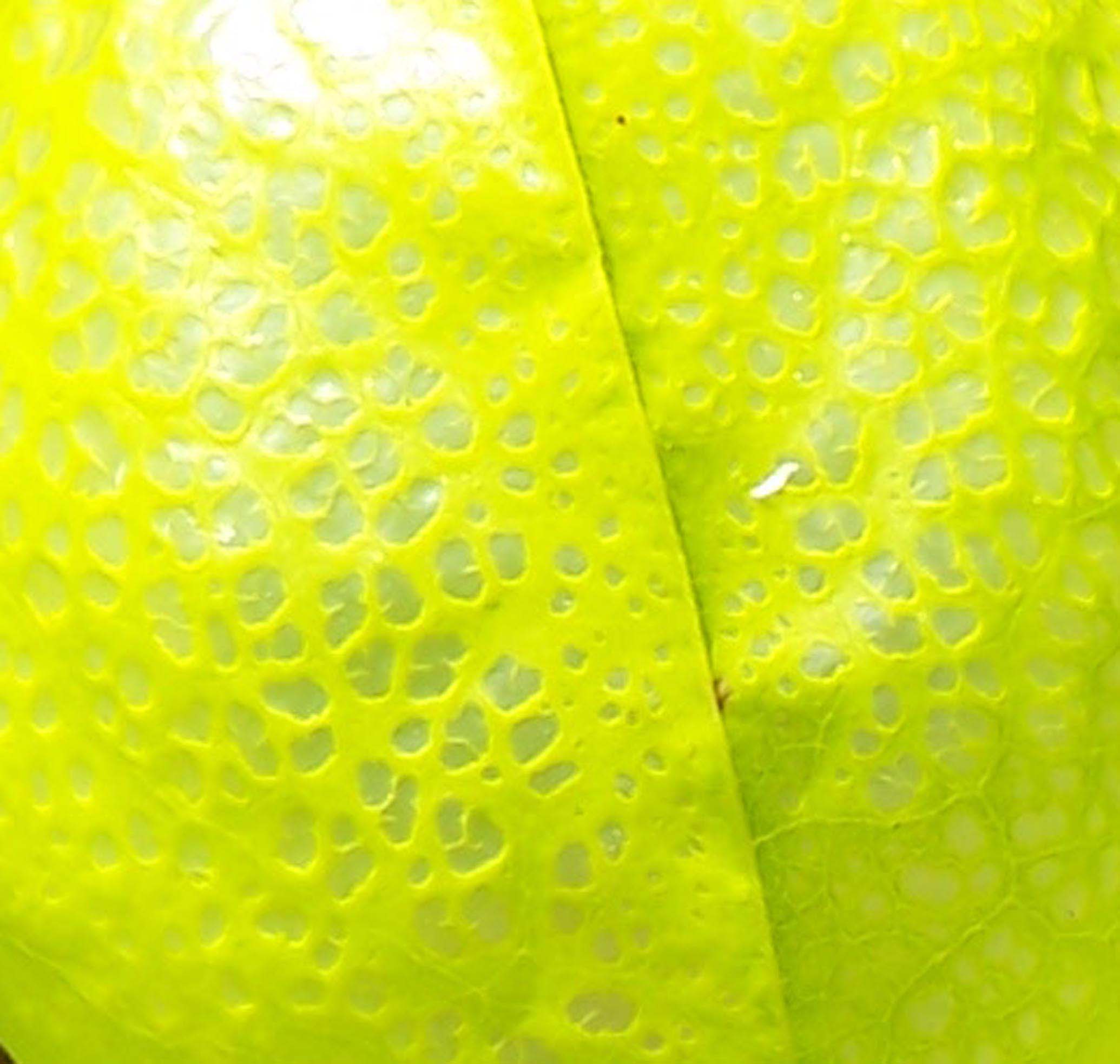
We have a winner!  Brian correctly identified the windowed hood of a cobra plant (Darlingtonia) and its function in tormenting hapless insects.  Here’s the entire picture:

Thanks to everyone who gave the puzzle a shot.  Very imaginative guesses!

Friday Foto Fun!

I’m taking the easy way out this week, as I’ve got to get my annual review done by next Monday (and I haven’t even started it yet.  Hah!).  But over the weekend, let’s see if you can figure out (1) what this is, and (2) why it looks the way it does:

Monday’s photo will reveal all!

Is Petting Your African Violet a Good Idea?

As some of you know, I post a research update every three months or so on  Susan Harris’ blog www.sustainable-gardening.com as well as on GardenRant.  This update reviews scientific articles which might be useful to gardeners.  Anyway, I just finished up a new edition earlier this week — which will probably be posted soon — that included one of the more interesting articles  that I’ve seen recently.  For my post today I thought I’d spend just a couple of paragraphs telling you about it. … Continue reading this article “Is Petting Your African Violet a Good Idea?”

Better Red than Dead!!!

David, one of our newer readers, asked why his red-stemmed roses seem to be more cold hardy than the green-stemmed cultivars.  So today’s blog will be dedicated to a brief discussion of why it’s better to be red than dead.

The brilliant red, blue, and purple colors seen in flowers and fruits are due to anthocyanins (and the closely related betacyanins).  These water-soluble, non-photosynthetic pigments are also commonly found in stems, leaves and other vegetative tissues.  … Continue reading this article “Better Red than Dead!!!”

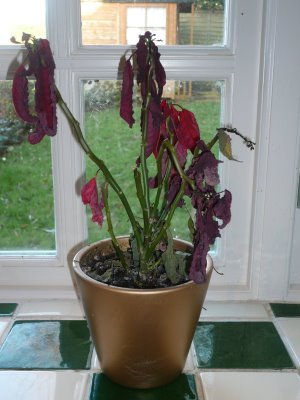
Post-holiday Poinsettia Fatigue

You’ve seen them. The saddest thing ever – a poinsettia, still in its little foil sleeve, tucked into the corner of the doctor’s office/bank/etc. In June. 
Photo courtesy of Beth Bonini http://beedrunken.blogspot.com
So iconic, there’s even a rock band in St. Paul called “Dead Poinsettia.”

Every year about this time, I get asked “how do I care for my poinsettia so it will bloom next year?” by friends, students, random callers, and random newspaper writers. Continue reading this article “Post-holiday Poinsettia Fatigue”

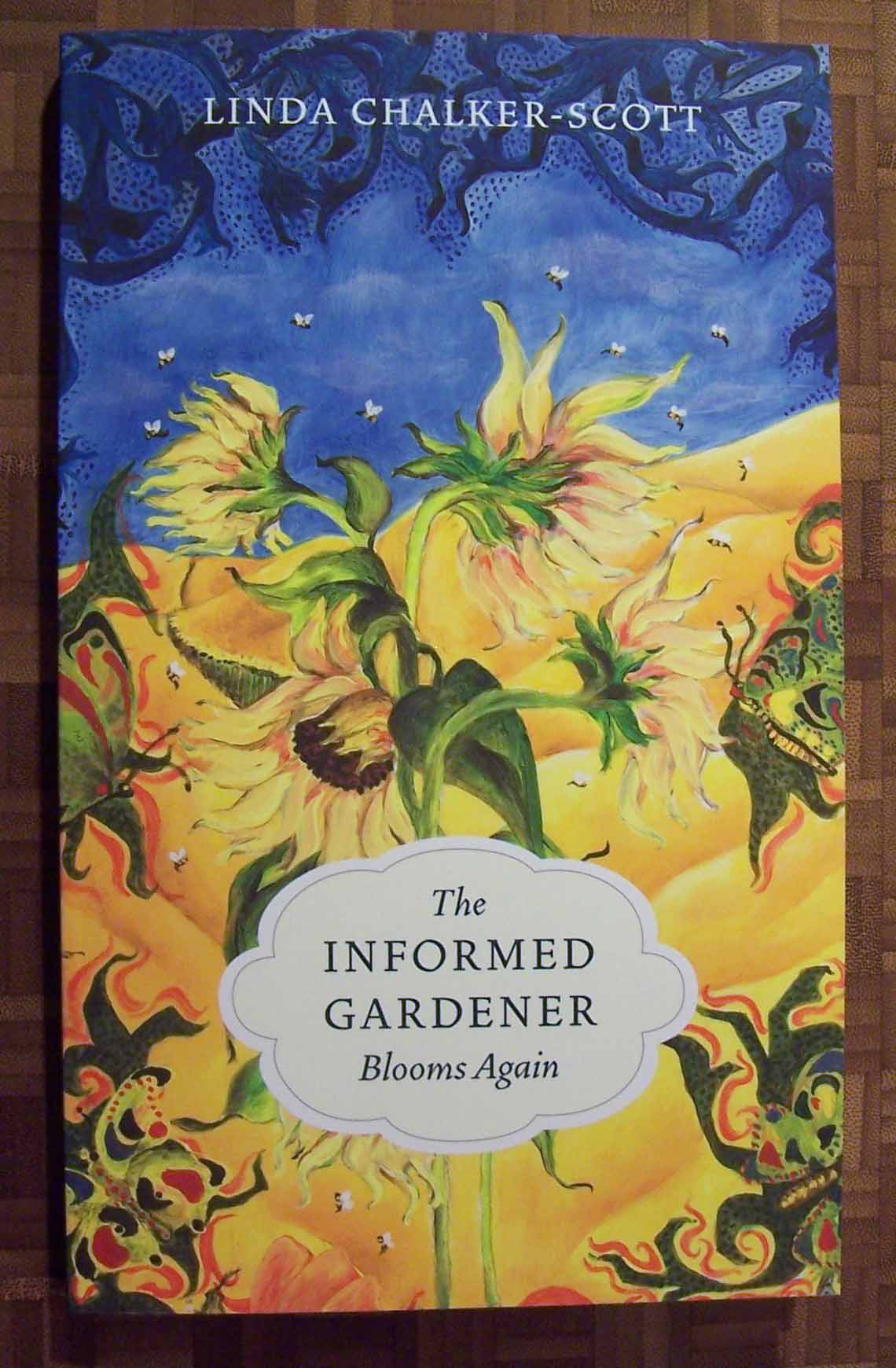
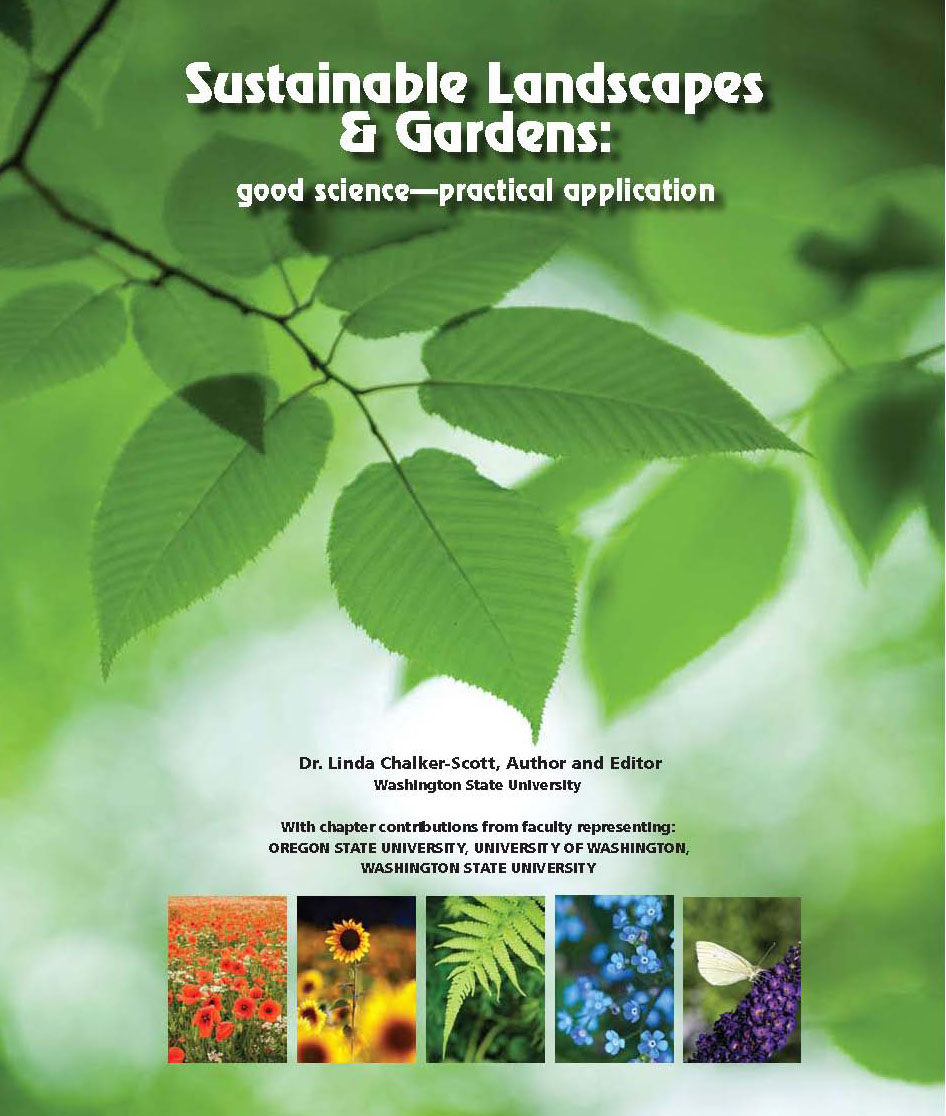
If I’ve seemed distracted for the last few months, this is why

I just got this today – it releases in February!
Isn’t it a great cover?

And this one came out the week before Christmas – my holiday gift to myself!  (You try riding herd on 21 different authors and see if you like it!)

Getting these books done was a major milestone, and I hope that this year I might have time for some new projects.

Happy New Year!

Do landscape trees need nitrogen fertilization?

I’m in Grand Rapids this week attending the Michigan Nursery and Landscape Association/Michigan Turf Foundation Great Lakes Trade EXPO.  The topic for my talk today was Landscape Tree Fertilization.  That might not sound like a subject that would generate controversy, but as with most things, there are camps emerging.  There is a rising chorus of folks that suggest that landscape trees should not be fertilized with nitrogen.  There are a couple of lines of evidence that bolster this point of view.  

Continue reading this article “Do landscape trees need nitrogen fertilization?”