Garden potions and notions to avoid

It’s Halloween and terrifying things abound – particularly at garden centers. Below you’ll find a pictorial approach to four frightful follies. Enjoy – and keep your garden safe!

Scary soaps. No. Not on your soil to aerate it. Not on your plants as part of some homemade devil’s brew. Soap stays in your house.


Petrifying phosphate. Not for flowers. Definitely not for transplanting. No matter how friendly and natural they look on the shelf, they are death to mycorrhizae and any aquatic system they wash into.… Continue reading this article “Garden potions and notions to avoid”
Trees and Turf a NO GO

It seems so simple to plant a tree.  But to grow a tree is more difficult!   In many parts of the United States there is enough water for trees and turfgrass, but it is often a bad idea to mix the two. You may have observed that sometimes young trees do not grow as well when planted in turfgrass. Certainly this is a generalized view and tree/turfgrass genetics are very different between their respective species. So it is natural to expect different outcomes when planting different species of trees in any landscape setting, turfgrass notwithstanding. … Continue reading this article “Trees and Turf a NO GO”

DIY Hydroponics: Going soil-less at home and abroad

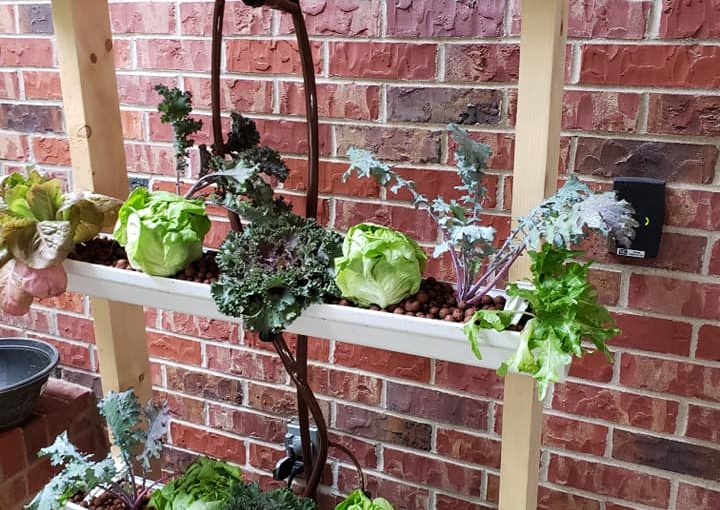
It seems that as interest in gardening grows, especially among younger generations, interest in different techniques that home gardeners use and different plants they grow are also on the increase.  You see the old standbys like straw bales and containers emerge.  Terraria, succulents, and air plants are having their moment.  And all kinds of technology driven indoor growing systems are all over the web, mostly hydroponic, but some aeroponic and aquaponic as well (we’ll talk about the difference in a bit – if you’re just here for that, skip the first 2/3 of the article).… Continue reading this article “DIY Hydroponics: Going soil-less at home and abroad”

Late summer pruning: what happens, what won’t, and why

In the fall a gardener’s fancy lightly turns to thoughts of pruning (with apologies to Alfred, Lord Tennyson).  In particular, people worry that pruning too late in the summer or early fall will stimulate plants to send out new growth, which is then damaged by freezing temperatures. Let’s dissect what actually happens when woody plants are pruned during this time.

First, we need to separate temperate trees and shrubs from tropical and subtropical species. For the most part, the latter don’t become winter dormant: pruning them at any time means you will have regrowth as long as there are sufficient resources.… Continue reading this article “Late summer pruning: what happens, what won’t, and why”

Professional Credentials and Gardening Expertise: Arborists

Arborists, Professional Credentials, and Designating Bodies

The Merriam-Webster dictionary defines arboriculture as “the cultivation of trees and shrubs especially for ornamental purposes” (2019a) and arborists as the specialists that care for those trees (2019b). In the US there are two primary certifications for arborists. Arborists can become a Registered Consulting Arborist (RCA) through the American Society of Consulting Arborists (ASCA) (ASCA, 2019a) and/or become an International Society of Arboriculture (ISA) Certified Arborist (ISA, 2019a). The ISA also offers a range of associated certifications, including ISA Certified Arborist Utility Specialist, Arborist Municipal Specialist, Tree Worker Climber Specialist, Tree Worker Aerial Lift Specialist, Board Certified Master Arborist, and ISA Tree Risk Assessment Qualification.… Continue reading this article “Professional Credentials and Gardening Expertise: Arborists”